


Plz don’t mention it if Vietnam doesn’t. Let forget it. If Mao Zedong was alive that wouldn’t happen. Vietnam will never recognize the occupation.Vietnam thought the same in 1979.
Navigation
Install the app
How to install the app on iOS
Follow along with the video below to see how to install our site as a web app on your home screen.
Note: This feature may not be available in some browsers.
More options
Style variation
You are using an out of date browser. It may not display this or other websites correctly.
You should upgrade or use an alternative browser.
You should upgrade or use an alternative browser.
Chinese Economy: General News, Updates and Discussions
- Thread starter Beijingwalker
- Start date
More options
Who Replied?
MH.Yang
Trusted Member

Plz don’t mention it if Vietnam doesn’t. Let forget it. If Mao Zedong was alive that wouldn’t happen. Vietnam will never recognize the occupation.
It's the same thing, if Ho Chi Minh was still around, it wouldn't have happened either.
But you're right, let' not talk about this anymore. We both think the other is wrong, but actually, both sides are at fault. Let's forget it.
The key was lack of trust to Shou enLai and Deng Zaoping. Probably yes, I don’t know, if Ho was still alive he could have settled with Mao.It's the same thing, if Ho Chi Minh was still around, it wouldn't have happened either.
But you're right, let' not talk about this anymore. We both think the other is wrong, but actually, both sides are at fault. Let's forget it.
But let forget it. Maybe the current territory conflict at sea will be solved in 100 years. Vietnam history book for schools even don’t mention China by name, just few lines about “conflict on northern border”.
I think the war is an embarrassment for both.
ety
Trusted Member

Chinese envoy sends letter to UN chief over Japanese PM’s erroneous remarks on Taiwan, to be distributed to all member states
By Global Times Published: Nov 22, 2025 09:40 AM
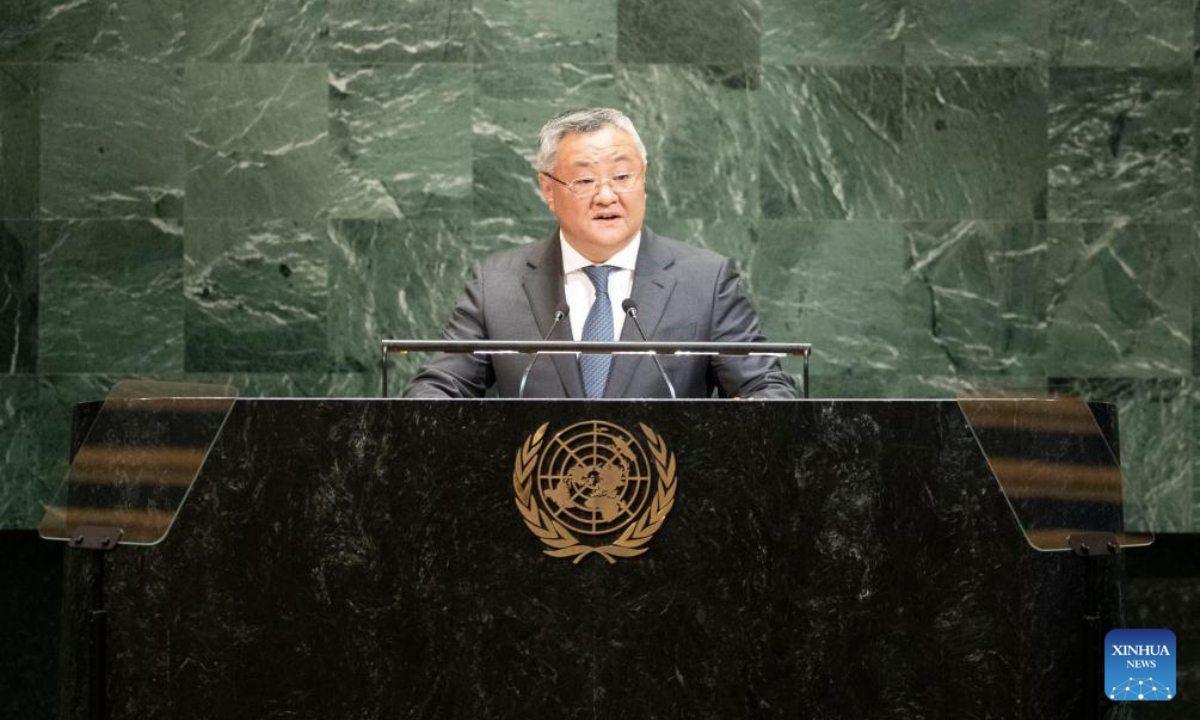
Fu Cong, China's permanent representative to the United Nations, speaks at the UN General Assembly's annual debate on Security Council reform, at the UN headquarters in New York, Nov. 18, 2025. Japan is totally unqualified to seek a permanent seat on the Security Council, said Fu Cong, China's permanent representative to the United Nations, at the UN General Assembly's annual debate on Security Council reform on Tuesday. (Xinhua/Xie E)
Fu Cong, China's permanent representative to the United Nations, on Friday sent a letter addressed to United Nations Secretary-General Antonio Guterres, articulating the Chinese government's position on the erroneous words and deeds of Japanese Prime Minister Sanae Takaichi concerning Taiwan.
Takaichi claimed at a Diet meeting on November 7 that the Chinese mainland's "use of force on Taiwan" could constitute a "survival-threatening situation" for Japan. Takaichi refused to retract her remarks, implying the possibility of armed intervention in the Taiwan Straits.
Fu said in the letter that Takaichi's blatant and provocative remarks on Taiwan mark the first time since Japan's surrender in 1945 that a Japanese leader has hyped hypothetical situations on Taiwan at an official occasion, linking it to the exercise of collective self-defense rights. It is also the first time Japan has expressed ambitions of attempting armed intervention on the Taiwan question and the first time it has issued a military threat against China, openly challenging China's core interests. Such remarks are extremely erroneous, highly dangerous, and have an extremely malicious nature and impact.
The letter will be issued as an official document of the UN General Assembly and distributed to all member states.
In the letter, Fu stated that despite China's repeated solemn démarches and strong protests, Japan has shown no remorse and refused to retract its erroneous statements. China expresses strong dissatisfaction and resolute opposition to this, he said.
Fu emphasized that Takaichi's relevant remarks seriously violate international law and the basic norms governing international relations, and severely undermine the post-war international order. They constitute an open provocation to more than 1.4 billion Chinese people and the people of Asian countries that once suffered from Japanese aggression.
Taiwan is an inalienable part of China's territory, and how to resolve the Taiwan question is an internal affair for the Chinese people, admitting no external interference, said Fu, noting that if Japan dares to resort to armed intervention in the Taiwan Straits situation, it will constitute an act of aggression, and China will resolutely exercise the right to self-defense entrusted by the UN Charter and international law, and firmly safeguard national sovereignty and territorial integrity.
As a defeated country in World War II, Japan must deeply reflect on its historical guilt, abide by its political commitments on the Taiwan question, immediately cease provocative acts that cross red lines, and withdraw its erroneous remarks, Fu noted.
Previously, the Chinese envoy also slammed Takaichi's remarks on Taiwan on Tuesday, saying that "They constitute a gross interference in China's internal affairs and a serious breach of the one-China principle and the spirit of the four political documents between China and Japan."
"Such remarks are an affront to international justice, the post-war international order, and the basic norms of international relations, and represent a blatant departure from Japan's commitment to peaceful development," Fu added.
"Such a country is totally unqualified to seek a permanent seat on the Security Council," Fu said.
Global Times
Last edited:
wangdefa
Registered Member
We have told you at the United Nations that as a permanent member, we have the right to wipe out the signs of Japanese militarism without going through the United Nations. At this point, the ultimatum has been set. The next step is war.
Yes, according to historical conventions, we are indeed not interested in Japan's territory. However, we are very interested in revenge.
Many ethnic groups have caused serious harm to us in the past, such as the Guifang, Xiongnu, Khitan, Shiwei, Huihe, and so on. Later on, these ethnic groups were all exterminated by us. Shouldn't Japanese people prove what qualifies them as an exception?
Confucius said, "十世之仇犹可报乎?虽百世可也(Do we still need revenge after ten centuries of national hatred? Confucius said that we also need revenge after a hundred centuries)."
ety
Trusted Member
Exactly.We have told you at the United Nations that as a permanent member, we have the right to wipe out the signs of Japanese militarism without going through the United Nations. At this point, the ultimatum has been set. The next step is war.
Chinese Embassy in Japan cites UN Charter ‘enemy state clauses’ amid ongoing row due to Takaichi’s erroneous remarks
By Global Times Published: Nov 21, 2025 07:39 PM
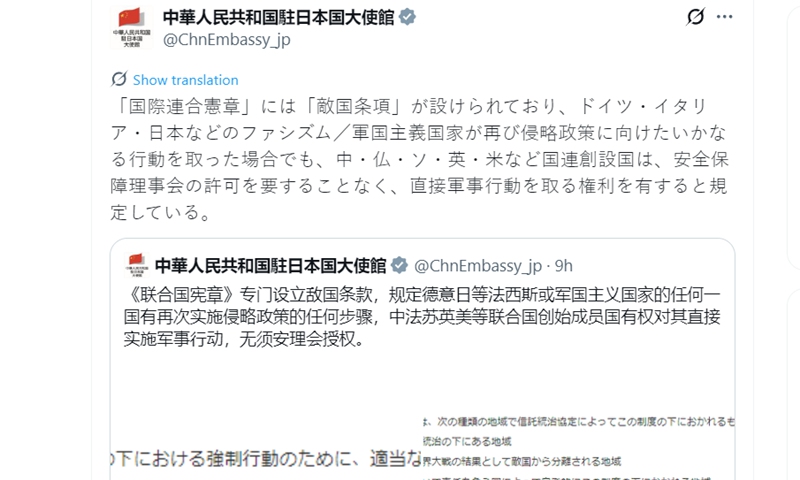
Photo: Screenshot of Chinese embassy in Japan
Chinese Embassy in Japan on Friday published in both Chinese and Japanese language on X platform the United Nations (UN) Charter's "enemy state clauses," which allows founding members of the UN, including China, to take direct military action if any of the former enemy states of the World War II, including Japan, attempts to carry out a policy of aggression.
In the first post in Chinese, the embassy wrote: the Charter of the UN specifically includes the Enemy State Clauses, which stipulate that if any of the fascist or militarist states such as Germany, Italy and Japan takes any step to re-implement an aggressive policy, the founding member states of the UN including China, France, the Soviet Union, the UK and the US shall be entitled to take direct military actions against it, without the authorization of the UN Security Council.
Three pictures of the Japanese version of the UN Charter Articles 53, 77 and 107 were attached with the Chinese language post.
The second was a repost in Japanese language of the first post.
The posts were released amid recent China-Japan diplomatic row due to Japanese Prime Minister Sanae Takaichi's claim at a Diet meeting on November 7 that the Chinese mainland's "use of force on Taiwan" could constitute a "survival-threatening situation" for Japan. Takaichi refused to retract her remarks, implying the possibility of armed intervention in the Taiwan Straits, according to Japanese media reports.
Regarding Takaichi's erroneous remarks on China's Taiwan region, China's Ministry of Foreign Affairs has over the past week repeatedly addressed the issue and made stern warnings, urging the Japanese side to retract the remarks.
Global Times
Why China sent letter to UN chief over Takaichi's erroneous remarks on Taiwan
China 19:39, 22-Nov-2025
CGTN
Fu Cong, China's Permanent Representative to the United Nations, has submitted a letter to UN Secretary-General António Guterres elaborating on the Chinese government's position regarding the erroneous remarks on China made by Japanese Prime Minister Sanae Takaichi.
Why did China send this letter? What are China's political considerations, and what is China seeking to achieve? CGTN interviewed Wang Yiwei, Jean Monnet Chair professor and professor at the School of International Relations at Renmin University of China, and Lyu Yaodong, research professor of the Institute of Japanese Studies at the Chinese Academy of Social Sciences, for their insights.
What are the key points in the letter?
Wang explained that the Chinese ambassador highlighted three points in the letter:
First, Japan is a defeated country of World War II and does not possess collective self-defense rights.
Second, under the UN Charter, China's sovereignty and territorial integrity should be protected. The Japanese prime minister's threat to intervene militarily in China's Taiwan region constitutes a severe infringement on China's sovereignty and territory.
Third, China can invoke the "enemy State" clauses in the UN Charter, meaning that if Japan uses force over Taiwan, China could launch a counterattack in accordance with international law.
Why did China send the letter to the UN chief?
Lyu said Fu's letter to the UN secretary-general is primarily intended to point out that Takaichi's remarks on Taiwan violate international law and the norms of international relations. He noted that as a defeated nation in World War II, the UN Charter explicitly prohibits Japan from possessing collective self-defense rights. However, Japan has recently claimed that "a Taiwan contingency is a Japan contingency" and linked it to the exercise of collective self-defense – a blatant violation of the UN Charter.
Lyu added that the Charter's "enemy State" clauses contain clear provisions for responding to any renewed acts of aggression or use of force by former Axis powers. These provisions are determined by the historical mission and nature of the United Nations itself, which was established in the context of the victory in the World Anti-Fascist War.
What is China's core demand?
Lyu explained that China's aim is to make clear that if Japan – an aggressor state during World War II – moves toward rearmament in ways that threaten peace and security in East Asia and globally, it must be constrained by the international legal framework established by the UN Charter after World War II.
Wang echoed this view, saying China's core objective is to reaffirm Japan's identity as a defeated country in World War II and to emphasize that if Japan intervenes militarily in the Taiwan Strait, China can invoke the "enemy State" clauses in the UN Charter at any time – a response that would be both reasonable and lawful.
"China is sending a message to the international community: if Japan gets militarily involved in the Taiwan question, China would have justified and legitimate grounds to counterattack," Wang said.
Why circulate the letter to all UN member states?
"Distributing the letter to all UN member states serves primarily as a warning to Japan not to act rashly, not to rearm and not to undermine world peace," Lyu said.
He added that the letter also aims to make the international community aware that Japan is already moving to erode the constraints of its pacifist constitution, passing domestic laws to lift restrictions on collective self-defense and developing offensive weapons.
"Japan has already been taking steps to prepare and test for potential future military action," Lyu warned, adding that recent attempts to revise the three non-nuclear principles and relax the rules on transferring defense equipment are clear signals.
He said that for a country that has long portrayed itself as following a post-war pacifist path, now seeking to break out of its Pacifist Constitution, becoming a country capable of waging war and even issuing military threats is deeply destabilizing for East Asia and global peace.
"We must use this letter to the UN to alert the international community that Japan, as a defeated aggressor of World War II, is rearming and making reckless threats of force," Lyu said.
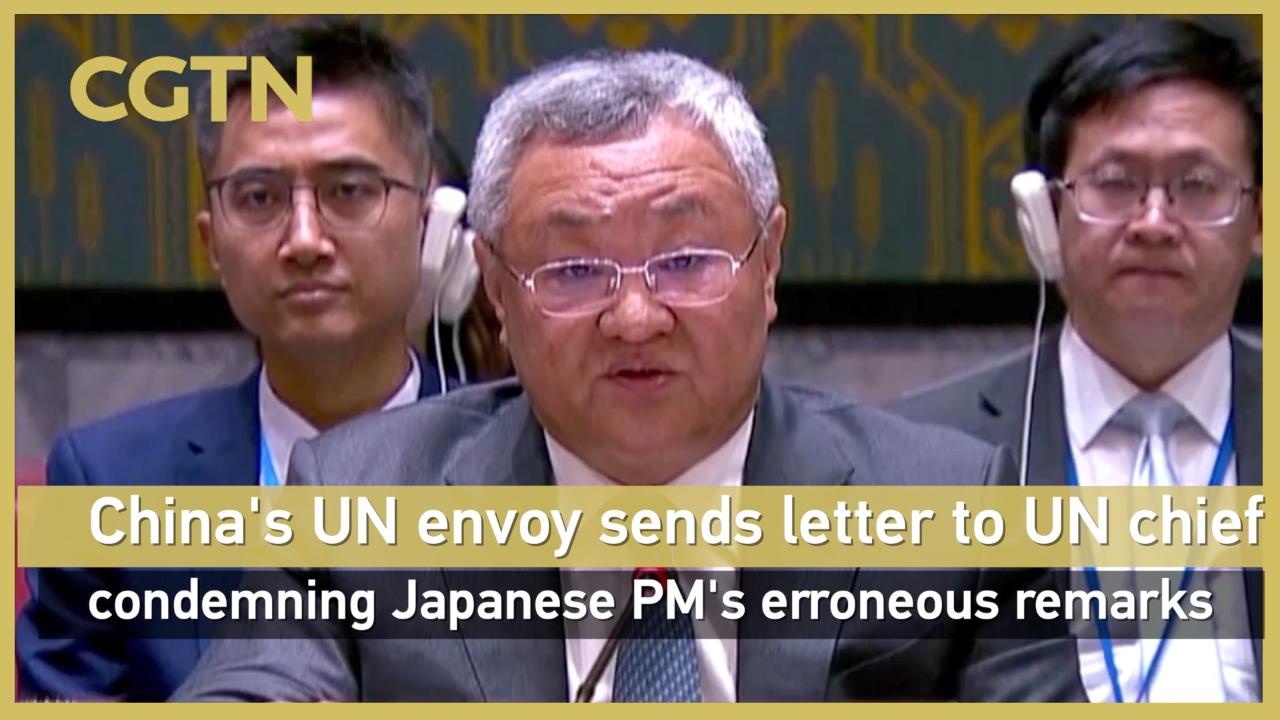
Why China sent letter to UN chief over Takaichi's erroneous remarks on Taiwan
Fu Cong, China's Permanent Representative to the United Nations, has submitted a letter to UN Secretary-General António Guterres elaborating on the Chinese government's position regarding the erroneous remarks on China made by Japanese Prime Minister Sanae Takaichi. Why did China send this...
World War II aggressors simultaneously provoke China and Russia; the world should be wary.
2025-11-23 09:00 Source: Professor Su Hao
Published in: Hubei Province
Japanese Prime Minister Sanae Takaichi threatened to interfere in China's reunification under the pretext of a "state of emergency," while the German Defense Minister said that war with Russia was possible. Both countries are using this as an excuse to strengthen their military.
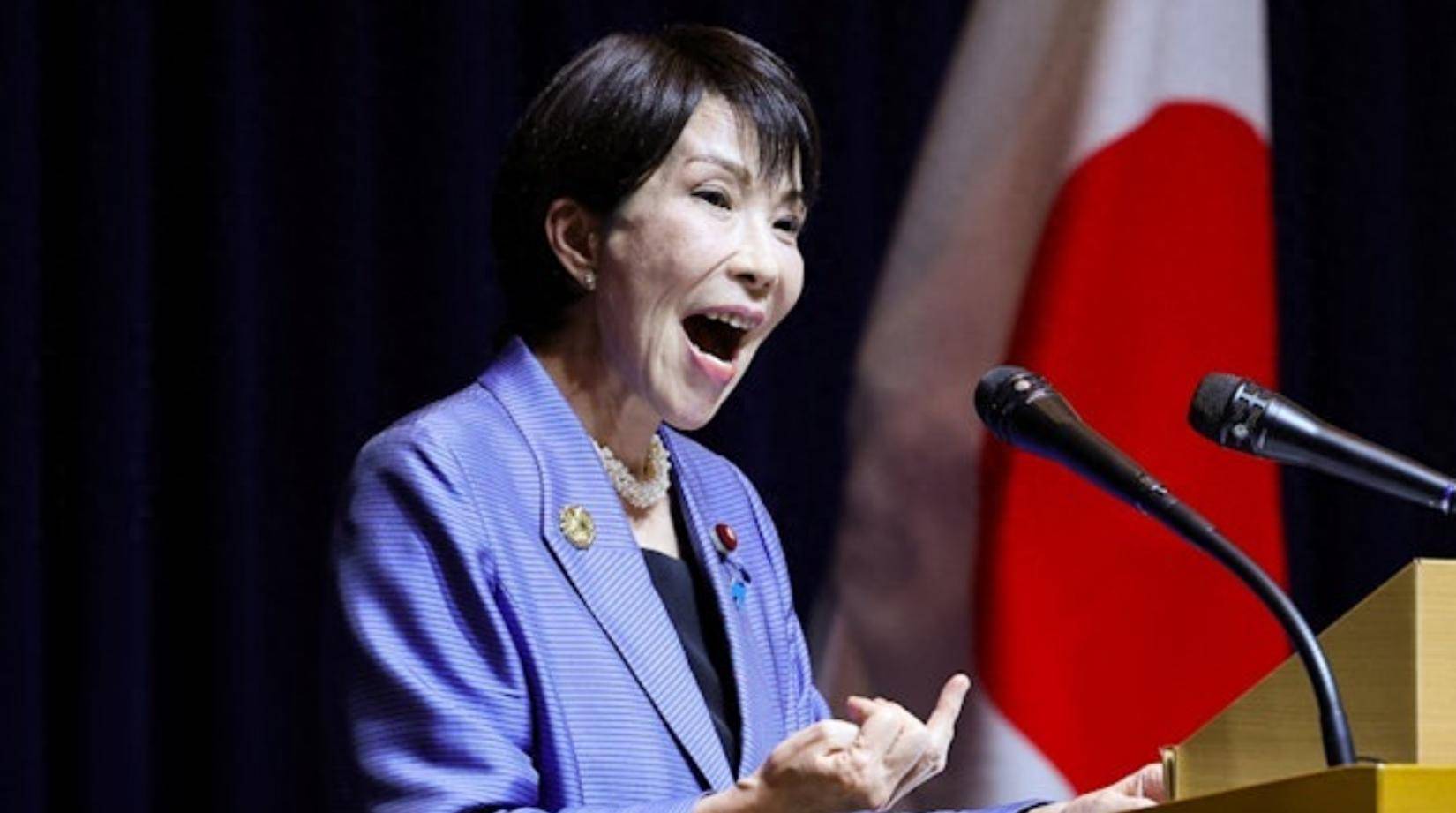
Japanese Prime Minister Sanae Takaichi recently stated during a parliamentary interpellation that if mainland China uses force against Taiwan, it could constitute a "life-or-death crisis" for Japan (under the 2015 security laws), allowing the Self-Defense Forces to exercise their right of collective self-defense. This is seen as a continuation of the "if Taiwan is in trouble, Japan is in trouble" mentality, triggering a diplomatic crisis between China and Japan. China's Ministry of Foreign Affairs, Ministry of National Defense, and other parties have issued strong protests, criticizing Takaichi for interfering in China's internal affairs and challenging the one-China principle and the post-war international order. There are also dissenting voices within Japan (such as former Prime Ministers Yukio Hatoyama and Shigeru Ishiba), criticizing Takaichi for being rash and exacerbating tensions.

At the same time, Germany also provoked Russia. German Defense Minister Boris Pistorius stated in an interview that after rebuilding its military, Russia might launch an attack on NATO's eastern flank as early as 2028, urging Germany to accelerate its military restructuring and increase defense spending. The Kremlin responded that such remarks exacerbate tensions, that Russia has no intention of conflict with NATO, but will take measures to ensure its security.
As the instigators of World War II, Japan and Germany's simultaneous provocations against China and Russia, while not necessarily signaling the start of World War III, should certainly raise our vigilance.
From a short-term perspective, the objectives of Japan and Germany are quite straightforward: they both use the geopolitical situation as an excuse to expand their military capabilities.
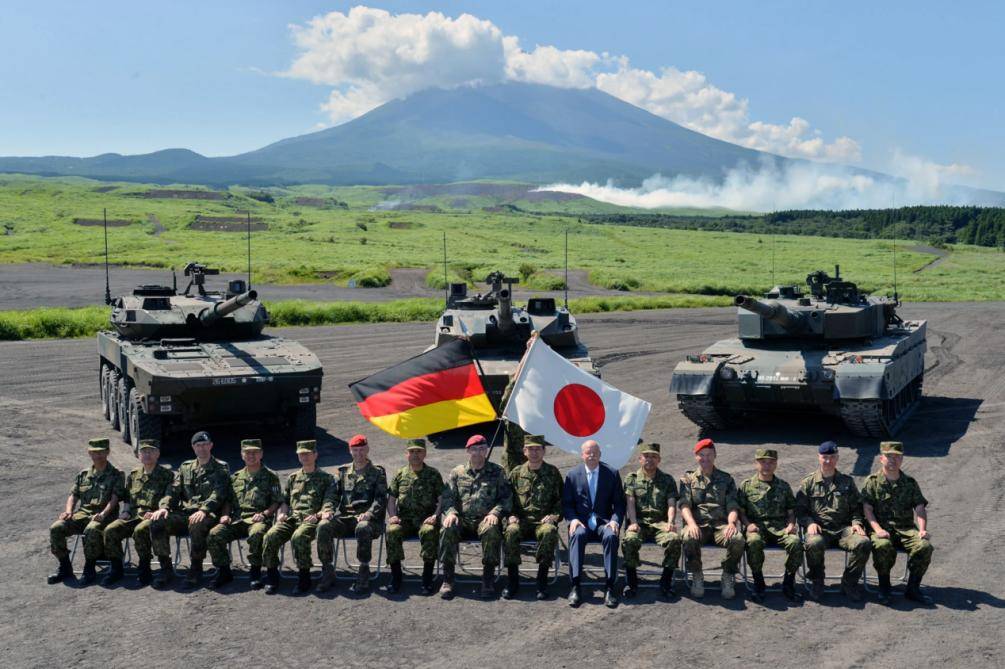
Japan's pretext was a "crisis of survival," which it used to launch its invasion of China and the Pacific War during World War II.
In Germany, the prevailing theory was "living space theory," which likened the state to an organism and argued that territorial expansion was a necessary condition for the survival and development of the state. This theory was used by Nazi Germany to defend its eastward expansion policy.
The reasons Japan and Germany give for expanding their military today are, to some extent, similar to, but also different from, the excuses they gave during World War II.
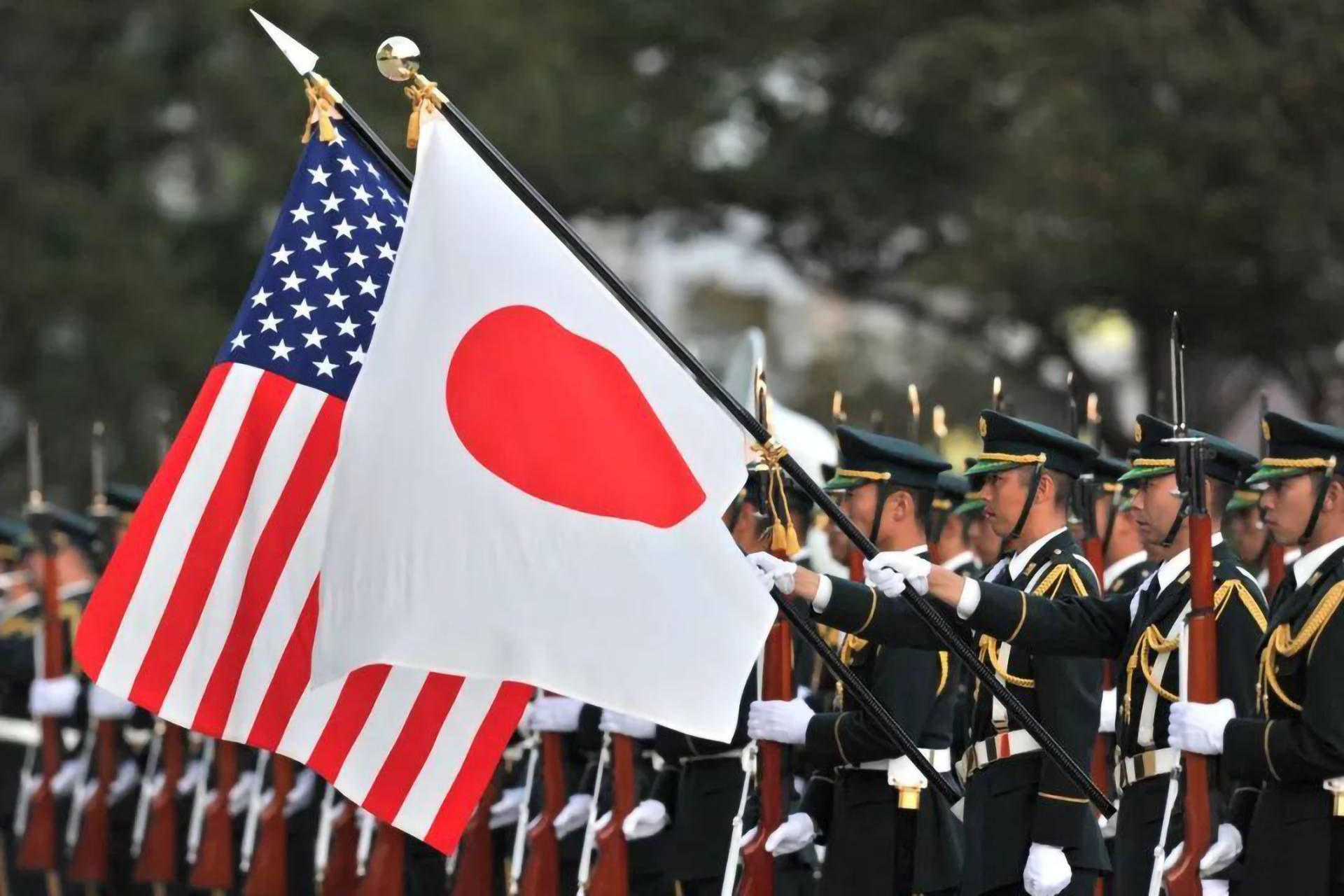
The similarity lies in the fact that both countries have expanded their military under the pretext of "external threats." The difference is that the military expansion of Japan and Germany is still within the framework of military alliances.
Japan operates within the framework of the US-Japan alliance, while Germany relies on the NATO system, which has led to an arms race between Japan and Germany.
From an international perspective, it is not simply a case of unilateral aggression and expansion, which makes its harmfulness appear "not so strong."
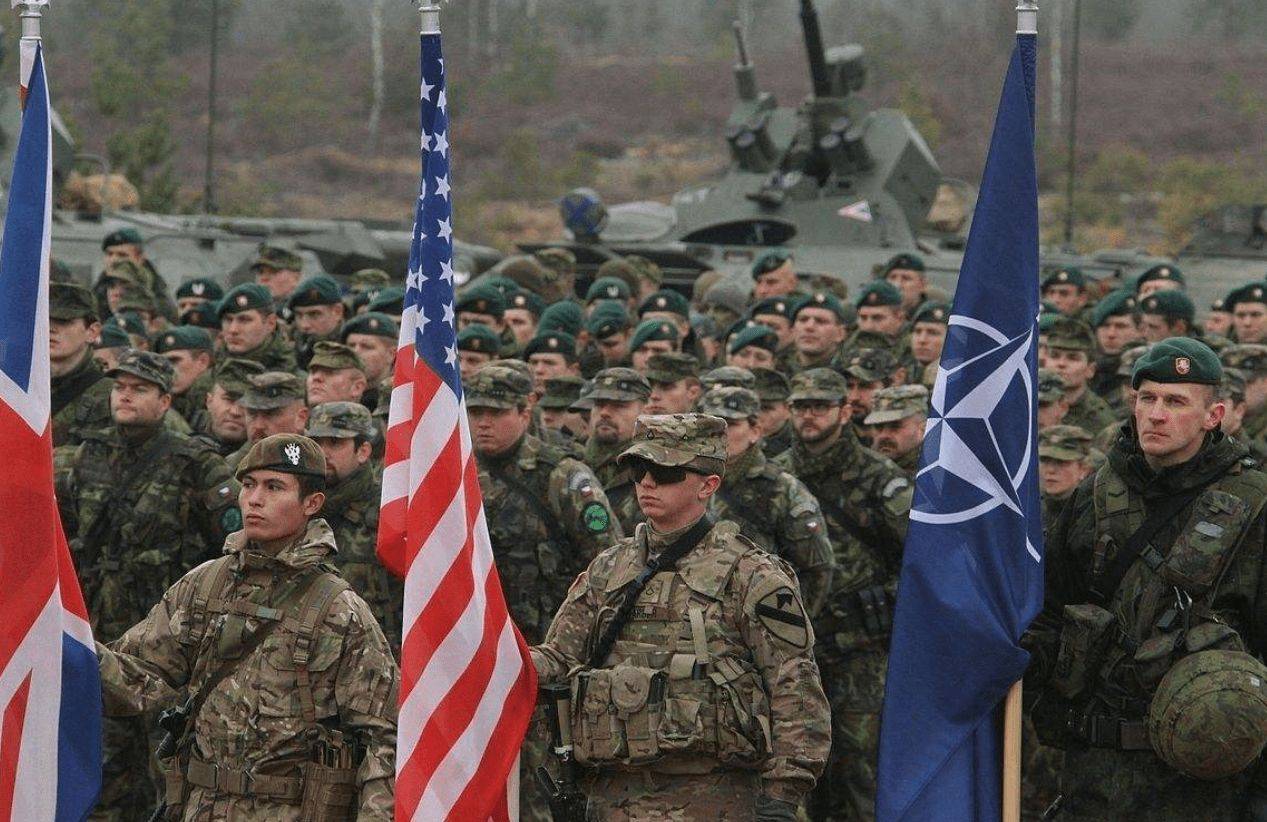
From a Western perspective, Japan and Germany are undergoing normal defense modernization, while Russia criticizes Germany for "signs of Nazism," but is powerless to do so.
Therefore, for China, in dealing with the resurgence of Nazism and militarism, we need to shoulder our responsibilities even more. At the regular press conference on November 19, Foreign Ministry spokesperson Mao Ning also pointed out that a review of history reveals that launching foreign aggression under the guise of so-called "existential crisis" and "self-defense" was a common tactic of Japanese militarism. The alarm bells have rung; this tragedy must not be repeated. The international community must be highly vigilant, resolutely oppose any attempt to revive militarism, jointly safeguard the post-war international order, and protect world peace
Last edited:
ety
Trusted Member
Why the Japanese are the most ardent anti-China bunch and always want to fight China in the world ? There are two reasons, first, Japanese have the deep ingrained stupid sense of racial superiority over Chinese because of the last 150 years experiences in their country's first non-white industrialization that enabled them to carry out many invasions of China, and second, Japanese want to cover up their deep guilt of horrific war crimes and atrocities committed on Chinese and China. Japan is the the country in the world most fearful and hateful to see China's resurgence and rise even more than the US because deep down Japanese know Chinese will seek bloody revenge of them, the day will come.
Last edited:
wangdefa
Registered Member
I now see Japan as another version of Ukraine. China has been pressing step by step, and the choice between peace and war is no longer in Japan's hands. Unlike Ukraine, this time, will the United States dare to personally take action?Why the Japanese are the most ardent anti-China bunch and always want to fight China in the world ? There are two reasons, first, Japanese have the deep ingrained stupid sense of racial superiority over Chinese because of the last 150 years experiences in their country's first non-white industrialization that enabled them to carry out many invasions of China, and second, Japanese want to cover up their deep guilt of horrific war crimes and atrocities committed on Chinese and China. Japan is the the country in the world most fearful and hateful to see China's resurgence and rise even more than the US because deep down Japanese know Chinese will seek bloody revenge of them, the day will come.
ety
Trusted Member
John Mearsheimer, an American international relations realist on recent Japanese PM's foolish provocation on China about Taiwan. In the latter half of the video, he speaks about the likely consequences for Japan and what US is likely to do for Japan in case of conflict with China. He is usually not a fan of China. The interview starts at 6:45.I now see Japan as another version of Ukraine. China has been pressing step by step, and the choice between peace and war is no longer in Japan's hands. Unlike Ukraine, this time, will the United States dare to personally take action?
冖_冖
Registered Member
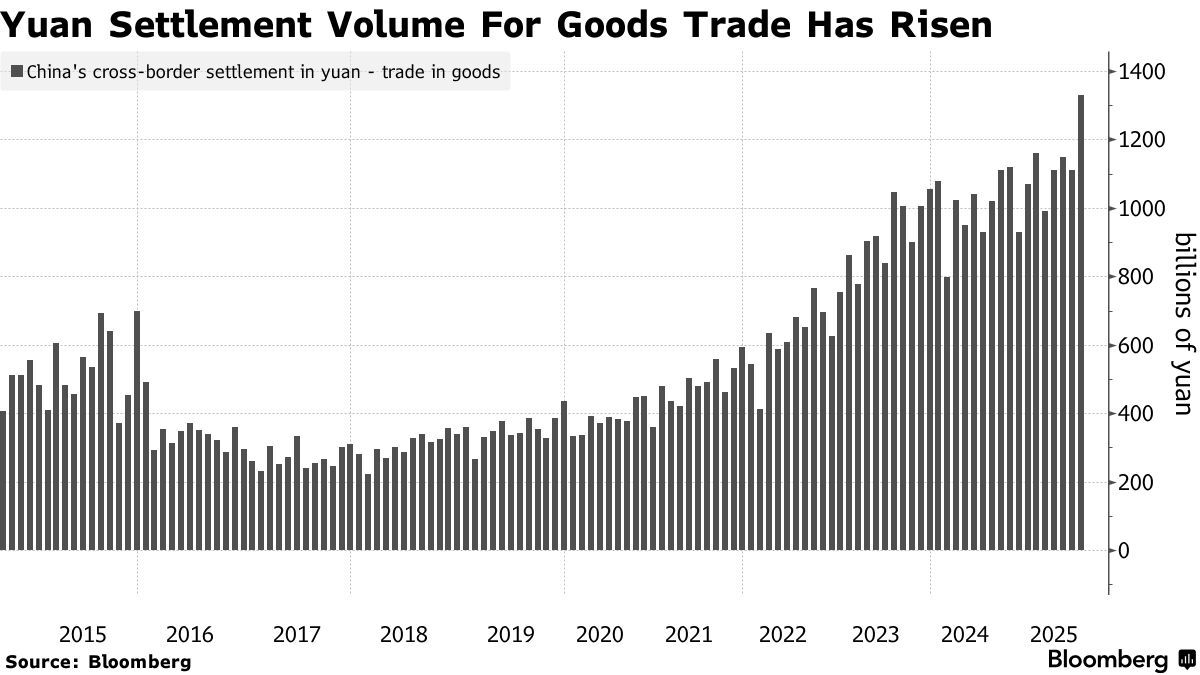
The yuan’s prominence in trade is already on the rise in China. The nation’s cross-border goods trade settled in the yuan in the first three quarters of 2025 rose 12% year-on-year to 9.97 trillion yuan ($1.4 trillion) and made up roughly 30% of the total trade volume for the period, Bloomberg calculations show.
冖_冖
Registered Member
Sheikh Mansour makes first-ever UAE-China direct digital currency payment
The ‘mBridge’ platform for CBDCs aims to facilitate cross-border paymentsLast updated: November 20, 2025 | 10:22

Abu Dhabi: Sheikh Mansour bin Zayed Al Nahyan, Vice President, Deputy Prime Minister, Chairman of the Presidential Court, and Chairman of the Board of Directors of the Central Bank of the UAE (CBUAE), has welcomed Pan Gongsheng, Governor of the People’s Bank of China, at Qasr Al Watan in Abu Dhabi, in the presence of Khaled Mohamed Balama, Governor of the Central Bank of the UAE.
During the meeting, Sheikh Mansour bin Zayed Al Nahyan, executed the first-ever cross-border payment using central bank digital currency (CBDC) between the UAE and China through the ‘mBridge’ network, officially launching the platform designed to enhance cross-border transactions and strengthen the financial ecosystem.


Countries with the highest outbound tourism expenditure worldwide from 2019 to 2023
(in billion U.S. dollars)
View attachment 46900
As in above news/post, we find a consistent growth for India, as compared to China and Russia


ety
Trusted Member
Singaporean "bananas" are specifically designed to feed on Japan and the US ***. This isn't the first time Singaporean leaders have spoken out for Japan against China, demanding that the Chinese submit to Japanese atrocities. Who do these SGs think they are ? Always pointing fingers at the Chinese. Don't they know the heinous crimes and deep-seated hatred the Japanese committed against the Chinese over two centuries? Get lost if they want to talk about Sino-Japanese relations specifically about forgiving Japanese PM's recent provocation statements of invasion on China. This tiny country is utterly shameless, why should a superpower like China abandon its dignity and endure immense harm to follow SGs‘ selfish interests ? If Singaporeans want to be Japan and America's lackeys, do they expect the Chinese to do the same, lol ?
Last edited:
冖_冖
Registered Member
South African bank becomes first African bank to plug into China’s cross-border payment system
Africa has taken a major step in reshaping how it conducts trade with China after South Africas Standard Bank became the first African bank to integrate directly with China’s Cross-Border Interbank Payment System, CIPS
 africa.businessinsider.com
South African bank becomes first African bank to plug into China’s cross-border payment system
Africa has taken a major step in reshaping how it conducts trade with China after South Africas Standard Bank became the first African bank to integrate directly with China’s Cross-Border Interbank Payment System, CIPS
South African bank becomes first African bank to plug into China’s cross-border payment system
01 December 2025 04:30 AMAfrica has taken a major step in reshaping how it conducts trade with China after South Africa's Standard Bank became the first African bank to integrate directly with China’s Cross-Border Interbank Payment System, CIPS.
- Standard Bank became the first African bank to integrate directly with China's Cross Border Interbank Payment System (CIPS).
- CIPS enables African businesses to pay Chinese suppliers in yuan, circumventing the use of the US dollar for transactions.
- The integration, initiated at an event by the South African Reserve Bank, strengthens Africa-China financial cooperation.
- The new system decreases transaction costs, minimizes settlement delays, and mitigates dollar exchange rate exposure.
Standard Bank received approval to offer CIPS services in June 2025 during the Lujiazui Forum in Shanghai.
The integration was formally launched at an event hosted by the South African Reserve Bank, with Governor Lesetja Kganyago and senior officials from the People’s Bank of China and CIPS in attendance.
冖_冖
Registered Member
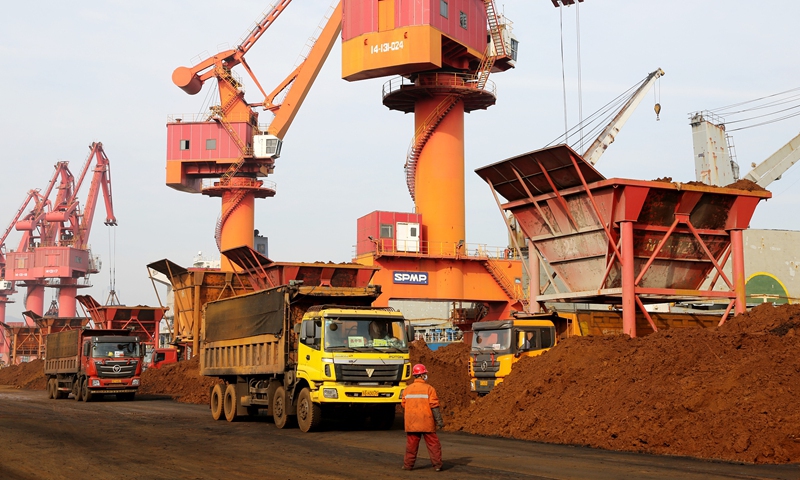
Iron Ore Shakeup Begins as Simandou’s First Boat Heads for China
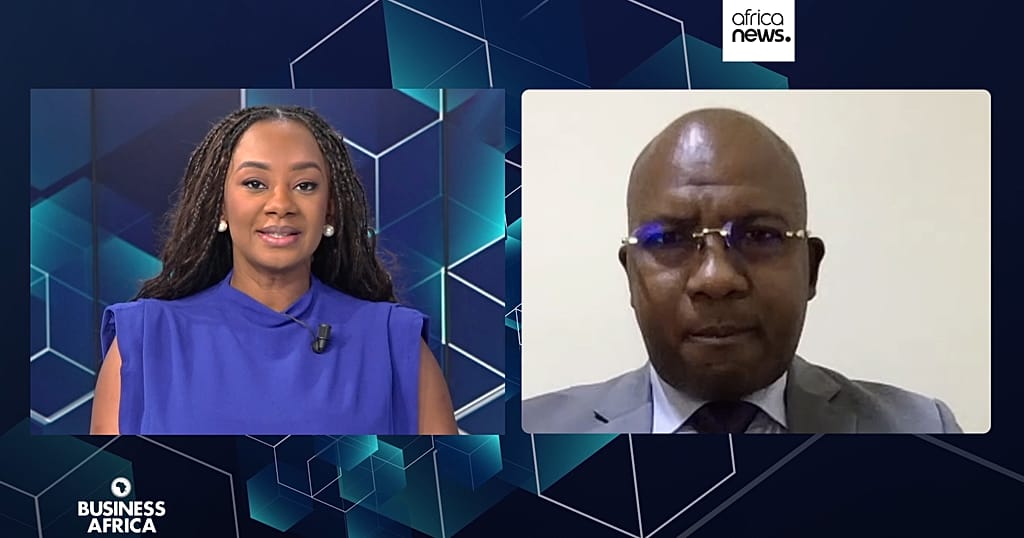
Simandou iron ore: Guinea’s mega project set to transform global mining [Business Africa] | Africanews
After decades of talks, negotiations, and setbacks, Guinea has officially launched the long-awaited exploitation of the Simandou iron ore deposit.
 www.africanews.com
Simandou iron ore: Guinea’s mega project set to transform global mining
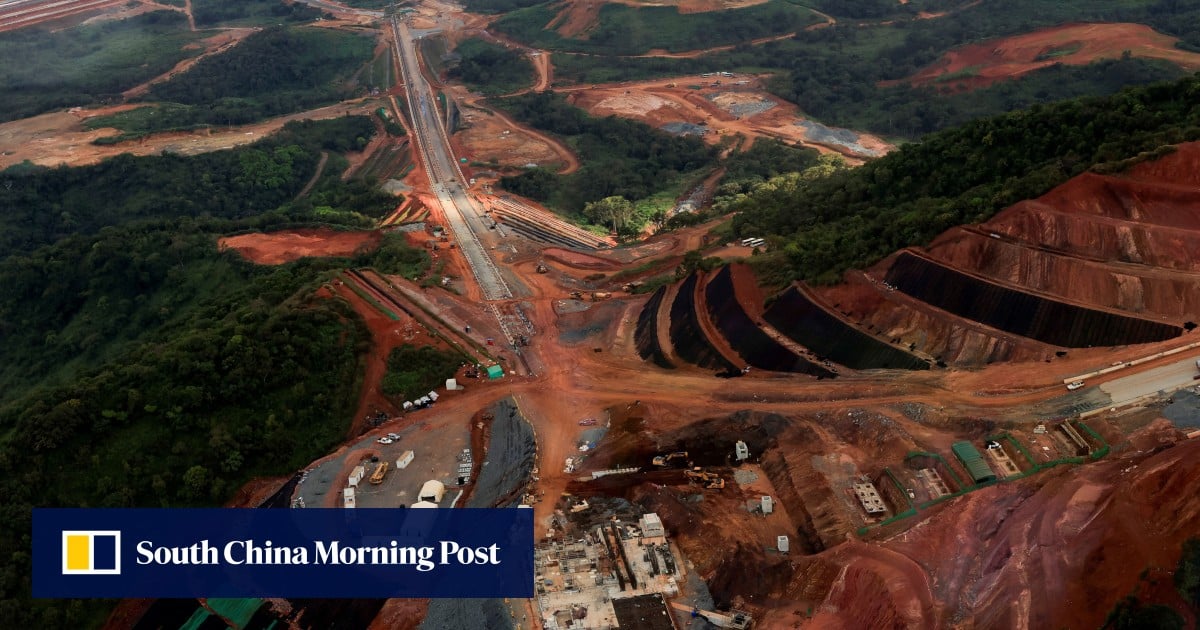
Why first Simandou iron ore shipment to China marks a global milestone
US$20 billion mining project in Guinea forecast to threaten market dominance for Australia’s Pilbara region.
 www.scmp.com
Why first Simandou iron ore shipment to China marks a global milestone
Pakistan Defence Latest
-

-

-
 PTI Murad Saeed in Afghanistan, was 'controlling KP govt' from there: Rana Sanaullah (2 Viewers)
- Latest: Meengla
-


Country Watch Latest

Latest Posts
-

-

-
-
 Israel declares all Arab states as Illegitimate Official government declaration (12 Viewers)
- Latest: Leclerc
-