Navigation
Install the app
How to install the app on iOS
Follow along with the video below to see how to install our site as a web app on your home screen.
Note: This feature may not be available in some browsers.
More options
Style variation
You are using an out of date browser. It may not display this or other websites correctly.
You should upgrade or use an alternative browser.
You should upgrade or use an alternative browser.
Covid-19 News and Discussions
- Thread starter Yommie
- Start date
- Status
- Not open for further replies.
More options
Who Replied?


Yommie
Elite Member
- Thread starter
- #467

Bill Maher rips govt for censoring 'dissenting opinions' about COVID-19 pandemic that were the 'right ones'
"Real Time" host Bill Maher ripped social media censorship during the height of the COVID-19 pandemic, saying the establishment censored thoughts about the virus that were "right."
 www.foxnews.com
Bill Maher rips govt for censoring 'dissenting opinions' about COVID-19 pandemic that were the 'right ones'
Maher says we 'should be able' to debate ideas around coronavirus

Published March 23, 2024 5:15pm EDT
Fox News Flash top headlines for March 23
Fox News Flash top headlines are here. Check out what's clicking on Foxnews.com."Real Time" host Bill Maher ripped into the government, medical agencies and social media platforms for shutting down "dissenting opinions" on COVID-19 opinions Friday.
"As the years roll by now, we see that the dissenting opinions on a lot of these things were quite the right ones," the HBO host told his guest, author and journalist Kara Swisher.
The conversation started when Maher brought up Murthy V. Missouri, a Supreme Court case that originated from a lawsuit filed by state attorneys general from Missouri and Louisiana accusing government officials of colluding with social media companies to censor posts online.
BILL MAHER, JOHN CLEESE RAIL AGAINST THE NEW YORK TIMES: ‘SAD’ IT'S NO LONGER A ‘GREAT NEWSPAPER’

"Real Time" host Bill Maher recently slammed the government and social media companies of colluding to shut down dissenting opinions on COVID-19. (HBO)
These allegedly censored posts included statements about COVID-19 and Hunter Biden’s laptop, among other topics.
Swisher pushed back on Maher’s points, noting that it was a confusing time for everyone.
Maher said earlier in the interview that he "was always on the page during the pandemic that they should not be shutting down debate about medical matters."
"I was a dissenter on many of these issues," he said, before noting that there were valuable opinions that were silenced or discouraged at the height of the pandemic.
Facebook — now Meta — owner Mark Zuckerberg said last year that the "establishment… kind of waffled on a bunch of facts and asked for a bunch of things to be censored that, in retrospect, ended up being more debatable or true."
On "Real Time," Swisher told Maher that "we’re not going to know perfectly."
The host continued, providing examples of where speech on the topic was discouraged.
"OK, but we should have been able to argue about whether it came from a lab, which we weren’t. Things like that," he said. "Natural immunity — whether it was better to go to the beach and get sun and fresh air, as I would have said, as opposed to sitting home and day-drinking and putting on weight."
REP. NANCY MACE SPARS WITH BILL MAHER OVER, EXPLAINS HER SHIFT TOWARDS TRUMP: ‘WE’VE HAD THREE YEARS OF BIDEN'

Maher noted how the establishment censored COVID-19 information that was found to be accurate later on. ((AP Photo/Mary Altaffer, file))
"They never mentioned that obesity was the biggest factor," Maher continued. "They have a lot to answer for."
Swisher replied: "They do, but you’re in the middle of a plague and a debate that people don’t know, and so you’re going to… "
Maher cut her off: "Yes, so you should be able to debate it — this is medicine."
CLICK HERE TO GET THE FOX NEWS APP
"Yes you should," Swisher responded. "This is not — the moment was not — people make mistakes, and science says it makes mistakes."
Maher explained more background about the lawsuit.
"There were two doctors, Jay Bhattacharya and Martin Kulldorff. They’re from Stanford and Harvard, and they said, ‘We were shut down. Not always fully, but there are ways to do that.’"
"And they’re not radicals," he said. "They were saying that we’re going too far with school closures — again, I think, has been proved right. My question was always, ‘Why are your doctors more important than my doctors, the ones I want to listen to?'"
"And the social media companies were in the tank with the government," Maher said.
Gabriel Hays is an associate editor for Fox News Digital.
Yommie
Elite Member
- Thread starter
- #468
What’s next for the coronavirus?
Scientists studying the virus’s continuing evolution, and the body’s immune responses, hope to head off a resurgence and to better understand long COVID.
 www.seattletimes.com
What’s next for the coronavirus?
March 23, 2024 at 5:23 pm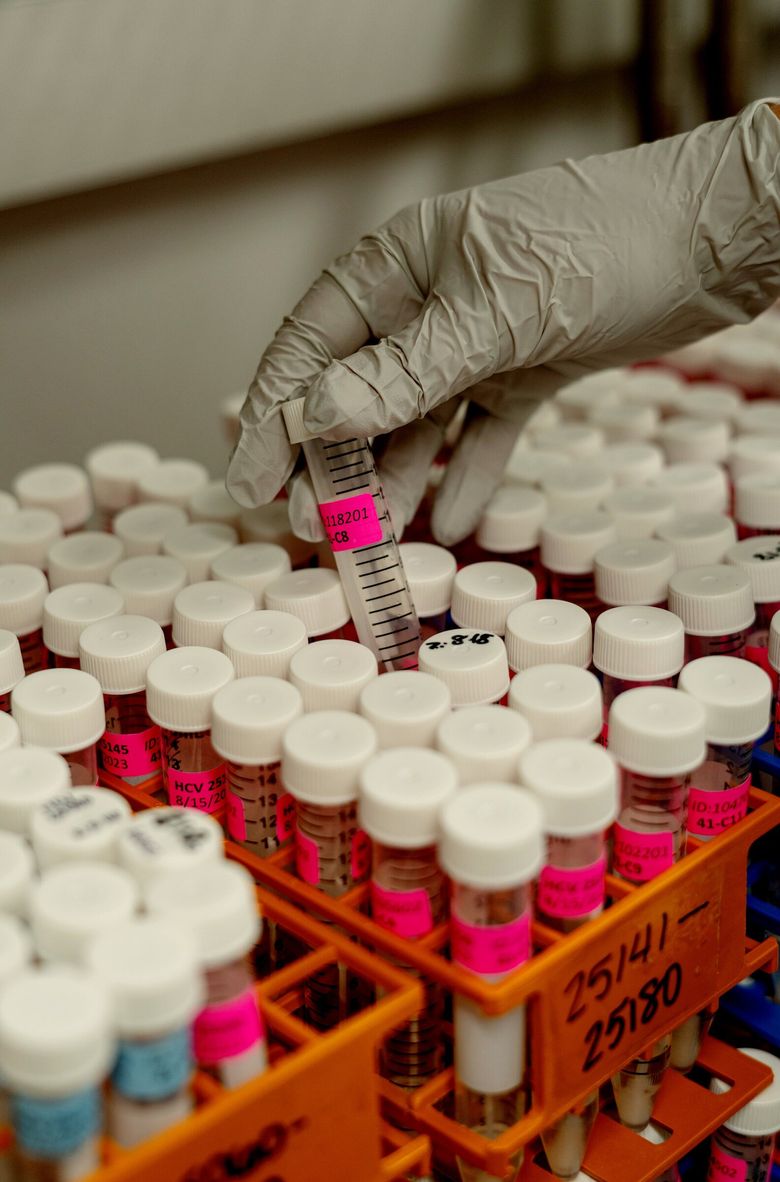
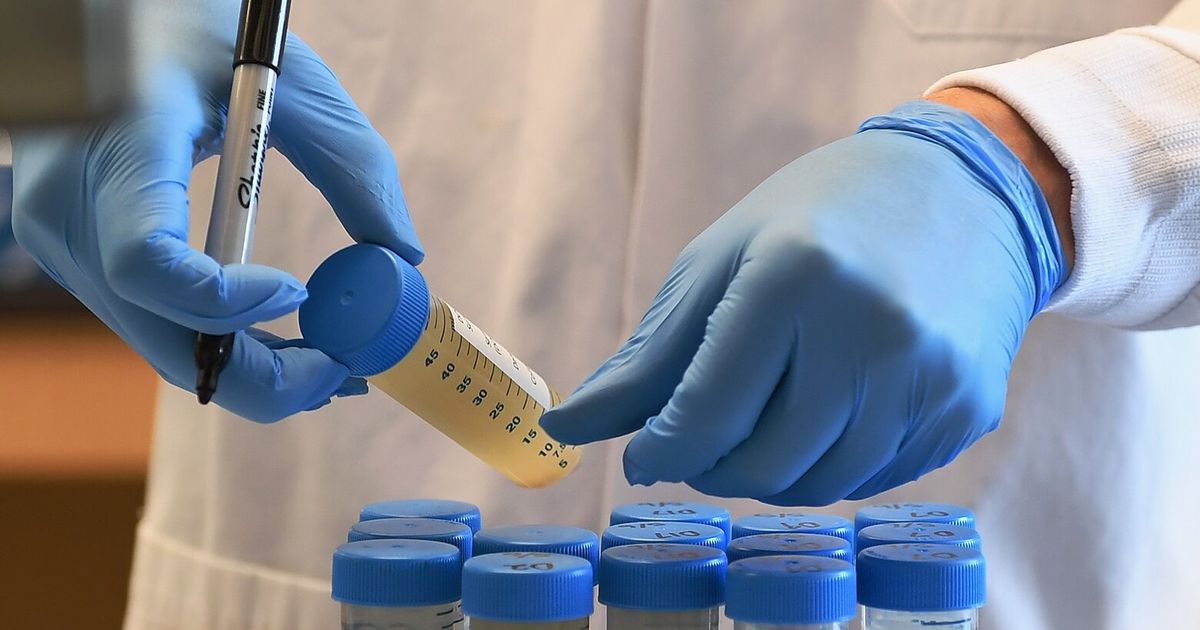
1 of 6 | FILE – COVID-19 test swabs in a lab at the University of Michigan in Ann Arbor, Oct. 10, 2023. Scientists studying the COVID-19’s continuing evolution, and the body’s immune responses to the virus, hope they can head off a resurgence and also better understand long Covid. (Cydni Elledge/The New York Times)Less
Skip Ad
By
Apoorva Mandavilli
The New York Times
Rat droppings from New York City. Poop from dog parks in Wisconsin. Human waste from a Missouri hospital. These are some of the materials that are readying us for the next chapter of the coronavirus saga.
More than four years into the pandemic, the virus has loosened its hold on most people’s bodies and minds. But a new variant better able to dodge our immune defenses may yet appear, derailing a hard-won return to normalcy.
Scientists around the country are watching for the first signs.
“We’re not in the acute phases of a pandemic anymore, and I think it’s understandable and probably a good thing” that most people, including scientists, have returned to their pre-pandemic lives, said Jesse Bloom, an evolutionary biologist at the Fred Hutchinson Cancer Center in Seattle.
“That said, the virus is still evolving; it’s still infecting large numbers of people,” he added. “We need to keep tracking this.”
Bloom and other researchers are trying to understand how the coronavirus behaves and evolves as populations amass immunity. Other teams are probing the body’s response to the infection, including the complex syndrome called long COVID.
And some scientists have taken on an increasingly difficult task: estimating vaccine effectiveness in a crowded respiratory milieu.
ADVERTISING
Skip Ad
Skip Ad
Skip Ad
“Intellectually, this virus, to me at least, is only becoming more interesting,” said Sarah Cobey, an evolutionary biologist at the University of Chicago.
“In some ways, SARS-CoV-2 has been a fabulous reminder of some of the deepest questions in the field and also how far we have to go in answering a lot of them.”
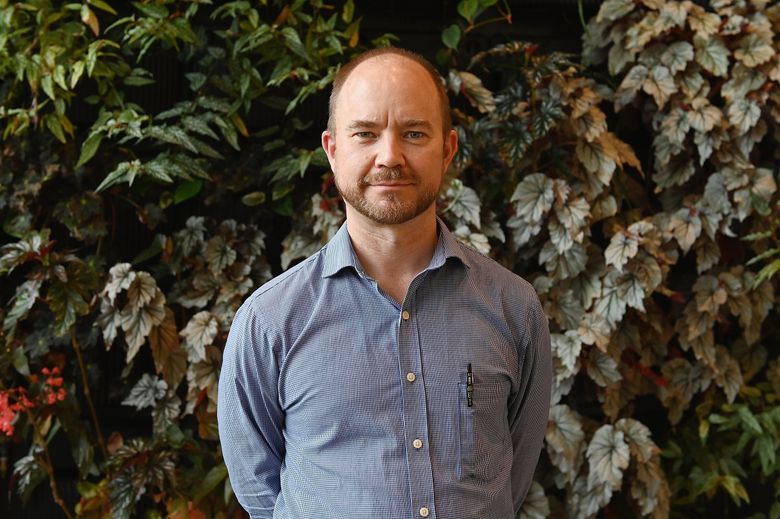
Closely analyzing new variants appearing in wastewater may help predict what additional forms may surface, said Marc Johnson, a virus expert at the University of Missouri, who has hunted for iterations of the coronavirus in stool samples from rodents and humans.
“They help inform the evolution of this virus and what’s likely to happen next, and possibly could even inform how to make a better vaccine,” Johnson said.
The ‘black swan event’
Evolutionary biology was once an esoteric pursuit involving humdrum hours staring at a computer screen. The work’s implications for public health were often tenuous.
The pandemic changed that. Vaccines can now be made more easily and much faster than before, so “really understanding how viruses evolve has more and more practical utility,” Bloom said.
ADVERTISING
Skip Ad
Skip Ad
Skip Ad
Many evolutionary biologists who now study the coronavirus, including Bloom, were experts in influenza, which evolves into a new variant every two to eight years from its most immediate predecessor.
The scientists expected the coronavirus to behave similarly. But omicron arrived with dozens of new mutations — a shocking “black swan event,” Bloom said. Then came BA.2.86, another huge jump in evolution, signaling that the virus remained unpredictable.
The iterations of a virus that thrive throughout a population have some sort of advantage — an ability to sidestep the immune system, perhaps, or extreme contagiousness. In an individual, “there is no such evolutionary pressure,” said Katia Koelle, an evolutionary biologist at Emory University in Atlanta.
The result is that a chronic infection — usually in an immunocompromised person — offers the virus an opportunity to experiment with new formats, allowing it to hit the evolutionary equivalent of a fast-forward button. (Viral persistence in the body is also thought to play a role in long COVID.)
Chronic infections with the coronavirus are rare, even among immunocompromised people. But the alpha variant of late 2020, the omicron variant in late 2021 and BA.2.86, first detected in the summer of 2023 — all are now thought to have emerged from immunocompromised people.
Some mutations acquired as the virus evolves may offer no benefit at all or may even hinder it, Koelle said. Not all of the virus versions pose a widespread threat to the population — BA.2.86 ultimately did not, for example.
ADVERTISING
Skip Ad
But these genetic alterations may nevertheless foreshadow the future.
After BA.2.86 emerged, close analysis of its genome revealed one spot where the virus remained sensitive to the body’s immune defenses. Johnson guessed that the virus’ next move would be to acquire a mutation in that very spot.
“And sure enough, it just appeared,” he said, referring to JN.1, the variant that now accounts for a vast majority of infections.
“The more we see these lineages like BA.2.86, which appear to be from chronic infections, the more we have an argument like, hey, this really is something we should be paying attention to,” he added.
Most Read Local Stories
- Man charged with 4 counts of vehicular homicide in crash near Renton
- Woman killed in Renton crash remembered as loving mother, educator
- Micro-apartments are back in Seattle after disappearing decades ago VIEW
- Families of four killed in Renton crash speak out
- Seattle council pushes toward rollback of delivery driver minimum wage
Scientists looking for signs of renewed danger are constrained by the limited surveillance for coronavirus variants in the United States and elsewhere.
Many countries, including the United States, ramped up tracking efforts at the height of the pandemic. But they have since been cut back, leaving scientists to guess the scale of respiratory virus infections. Wastewater and hospitalizations can provide clues, but neither is a sensitive measure.
“We never have had especially systematic surveillance for respiratory pathogens in the United States, but it’s even less systematic now,” Cobey said. “Our understanding of the burden of these pathogens, much less their evolution, has been really compromised.”
Sponsored
Skip AdSkip Ad
Skip Ad
Skip Ad
Not tracking viruses closely has another consequence: With multiple respiratory viruses to combat each year, it is now extremely challenging to gauge how effective the vaccines are.
Before COVID, scientists estimated the effectiveness of the influenza vaccine by comparing the vaccination status of those who tested positive for flu with those who did not.
But now, with vaccines for COVID and respiratory syncytial virus in the mix, the calculations are no longer simple. Patients turn up at clinics and hospitals with similar symptoms, and each vaccine prevents those symptoms to a different degree.
We need your support
In-depth journalism takes time and effort to produce, and it depends on paying subscribers. If you value these kinds of stories, consider subscribing.Subscribe
“It becomes this much more complex network of prevention that’s happening,” said Emily Martin, a public health researcher at the University of Michigan. “It does funny things to the numbers.”
An accurate estimate of effectiveness will be crucial for designing each season’s vaccine, and for preparing doctors and patients to face a rough respiratory season.
Immunity and long COVID
As coronavirus variant after variant materialized, it became clear that while the vaccines provided a powerful bulwark against severe illness and death, they were much less effective at stopping viral spread.
ADVERTISING
Skip Ad
For a vaccine to prevent infections, it must induce antibodies not just in the blood, but at sites where the virus invades the body.
“Ideally, you’d want them across mucosal sites — so, in your nose, in your lungs,” said Marion Pepper, an immunologist at the University of Washington in Seattle.
Scientists discovered about 15 years ago that a large part of the body’s defenses comes not just from the cells and organs of the immune system, but from these other tissues.
“One of the things that we’ve been really focused on is trying to understand immune responses in the tissues better than we did before,” Pepper said.
In a small set of people, the virus itself may also persist in various parts of the body and may be one of the causes of long COVID. Vaccination and antiviral drugs alleviate some of the symptoms, lending credence to this idea.
At Yale University, Akiko Iwasaki and her colleagues are testing whether a 15-day course of antiviral drug Paxlovid can eliminate a slowly replicating reservoir of virus in the body.
ADVERTISING
Skip Ad
Skip Ad
Skip Ad
“We’re hoping to get to the root cause if that’s what’s causing people’s illness,” Iwasaki said.
Two years ago, Iwasaki proposed a new center to study the myriad questions that have arisen. Infections with many other viruses, bacteria and parasites also set off long-term complications, including autoimmunity.
The new virtual institute, started in the summer, is dedicated to studying post-infection syndromes and strategies to prevent and treat them.
Yommie
Elite Member
- Thread starter
- #469

COVID-19 or Coronavirus like pandemic may happen again? Here's what experts claim
COVID-19 or Coronavirus has left an indelible mark and experts have warned that there are chances of another pandemic, as per a report.
COVID-19 or Coronavirus like pandemic may happen again? Here's what experts claim
SECTIONSCOVID-19 or Coronavirus like pandemic may happen again? Here's what experts claim
The FeedLast Updated: 23 March, 2024 01:00 AM -4 GMT
 FOLLOW US
SHARE
FONT SIZE
SAVE
COMMENT
Synopsis
COVID-19 or Coronavirus has left an indelible mark and experts have warned that there are chances of another pandemic, as per a report.
COVID-19 or the Coronavirus became pandemic after World Health Organization declared it so on March 11, 2020. Subsequently, human lives around the world changed forever. While the impact of Covid has subsided, experts have claimed that next pandemic could strike anytime, as per a report Sky News.
Infectious disease experts in the UK have said that there are chances of virus getting transmitted from animal to humans and causing a pandemic again, the Sky News report said.
Want a Loan? Get cash against your Mutual Funds in 4 hours
While timeline of future pandemic, if any, has not been specified by experts but they have exhorted not to let the guards down, as per the report.
Global Warming, Deforestation
As humanity stands at the precipice of environmental crisis, scientists sound the clarion call, warning of the perilous convergence of global warming and rampant deforestation. Amidst this tumultuous landscape, a haunting specter looms—an ominous portent of a potential pandemic sparked by the leap of a viral or bacterial agent from its animal host to unsuspecting humans.Each swath of forest felled, each degree of rising temperature, serves as a catalyst, amplifying the probability of such a cataclysmic event. In this crucible of ecological upheaval, the delicate balance between species becomes increasingly fragile, beckoning humanity to heed the urgent plea for environmental stewardship before the next pandemic emerges from the shadows, casting its devastating shadow upon the world.

Powered By


Play
Unmute
Loaded: 1.01%
Fullscreen
Skip Ad
Covid - Worst Killers Since 1918
Globally, COVID ranks among the worst killers since 1900. AIDS, for example, is estimated to have killed about 40 million people, but over a half-century rather than only four years. The 1918 flu killed somewhere between 20 million and 50 million people.Among high-income countries, the US has had one of the highest COVID tolls. The excess-death rate here, as a study by Jennifer Nuzzo and Jorge Ledesma of Brown University notes, has been much higher than in Canada, Britain, Germany, France, Spain, Sweden, Denmark, Japan, South Korea or Australia.
In addition to deaths from the virus, long COVID -- which scientists still don't understand -- has afflicted many people.
FAQs:
Q1. When was Covid 19 declared a 'pandemic'?A1. On March 11, 2020, the World Health Organization (WHO) declared COVID-19 -- or "the coronavirus," to be a pandemic.
Q2. What is another name of Covid-19?
A2. Another name of Covid-19 is Coronavirus
- Status
- Not open for further replies.
Users who are viewing this thread
Total: 2 (members: 0, guests: 2)
Pakistan Defence Latest


Country Watch Latest
-

-
-
-
France offers flexibility for India to integrate indigenous weapons with Rafale (17 Viewers)
- Latest: ety
-

