History of Pakistan Army

1767286109143.png

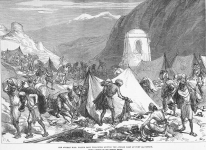
Indian camp followers/servants of the British army looting the leftovers of the Afghan military camp at Fort Ali Masjid, Khyber Pass, December 1878, 2nd Anglo-Afghan.

From London Illustrated News, Janaury 4, 1879.

According to the Newspaper, the Indian servants were allowed by their British masters to loot the tents, abandoned by Afghan soldiers, on the second day after capture of Ali Masjid fort. Those tents had dishes, cups, drums, belts and some posteen.
 
1767286349386.png

A large convoy of British troops passing the Boya Kalay (in North Waziristan) during the war against the Faqir of Ipi, 1936.

Photo taken by Tundan Razani (a Tajik photographer from Kabul who accompanied the British troops).
 
— at Frontier Corps. (Fc) Headquarters.


1767307696647.png

1767307764704.png

1767307790354.png

2022...
 
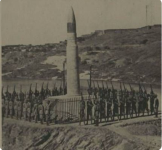
Across the western end of the Attock bridge is a war memorial in the shape of a .303 rifle bullet, which is in fact the earliest WW1 monument erected anywhere in the British Empire. The tall memorial stands by the wayside on the western bank of River Indus. It was erected in April 1919 to the memory of the men of the 40th Pathan Regiment who took part in the Great War 1914-1918. (Inscription on white marble tablet: War Memorial 40 Pathans) (Sehrai Travel and Tours - Railway Heritage Tourist Resort - Attock Khurd)
@AZ_HighCountry more info
 
1767475877949.png


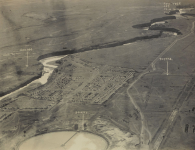
British military camp besides Bara river in the Khajuri Plain to deter the Afridi Pashtuns, 1930.

Photograph compiled by Major General Cecil Wotton Toovey.

In late 1930 the Rawalpindi Brigade was deployed to the Khajuri Plain west of Peshawar. Unrest had broken out in the region in 1930 and two incursions by Afridi tribesmen into the Peshawar District convinced the British Government of India to act to deter further uprisings. Karawal was a prominent hill overlooking the Khajuri Plain and it was selected as the site of a base for operations. The troops constructed roads and fortified posts in an effort to pacify the region. [National Army Museum, London].
 

Users who are viewing this thread

Country Watch Latest

Latest Posts

Back
Top