NeptunesVortex
Banned

The hammering your military took last year seems to have taken a serious toll on your judgment. Go get some rest and stop talking too much.Prepare for IMF program in 2030.
Follow along with the video below to see how to install our site as a web app on your home screen.
Note: This feature may not be available in some browsers.
The hammering your military took last year seems to have taken a serious toll on your judgment. Go get some rest and stop talking too much.Prepare for IMF program in 2030.
 theprint.in

I hope you're not being seriousThere is nothing to wow about. India services boom is about to end. Markets are telling you the future. Now tiny countries like Taiwan, South Korea have higher market cap then India thanks to AI.
Prepare for IMF program in 2030.
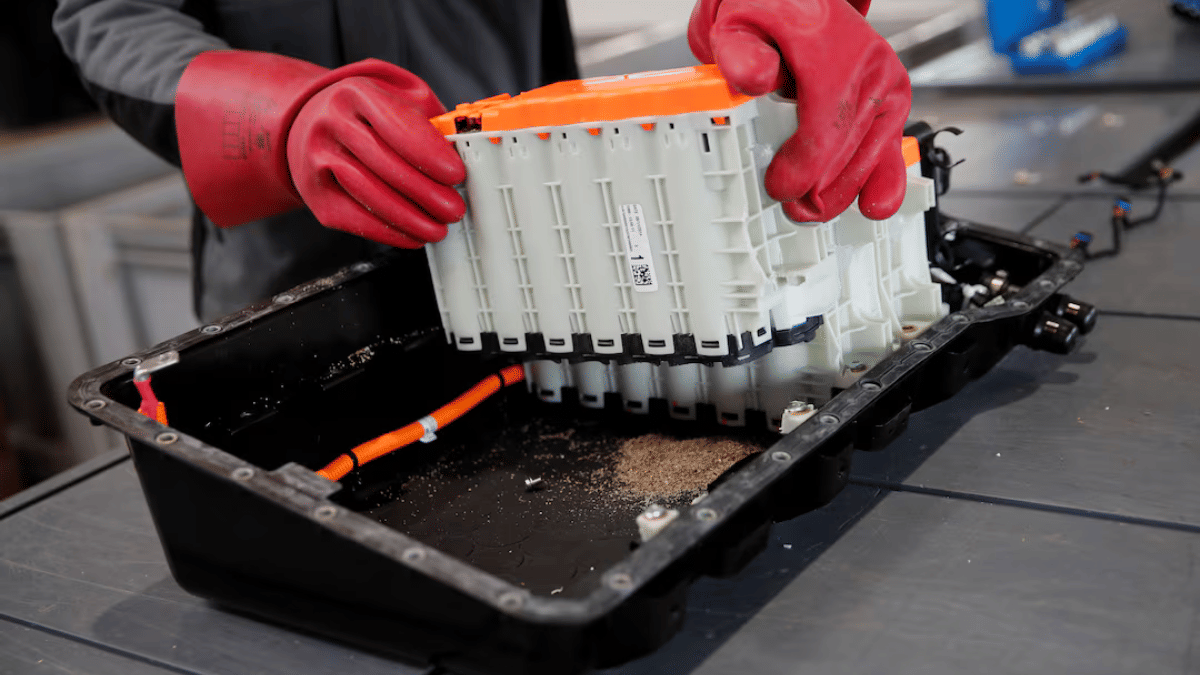
An Indian firm is moving into one of the hardest and most important parts of lithium-ion battery manufacturing: cathode active materials.Three reasons why India is overly dependent on China for lithium
China processes over two-thirds of global lithium. Until Indian firms begin investing in lithium refineries, the raw material will continue to be exported to China for processing.
Three reasons why India is overly dependent on China for lithium
09 June, 2026 03:14 pm IST
If you go by the relentless stream of headline events and claims, India under the Narendra Modi government seems all set to become self-sufficient in lithium-ion batteries, breaking free of China’s shackles and taking its rightful place in the battery-electric-vehicle revolution. But the reality is so underwhelming you’d be justified in reaching for a lithium pill to ward off depression.
The Productivity Linked Incentive (PLI) scheme, aimed at making India Atmanirbhar in advanced battery storage, has achieved less than 3 per cent of its target after five years, according to a study. In part, the gap exists because a chunk of the money was allotted to a gold exporter tainted by an alleged scam, rather than an actual battery maker. There have been zero bidders for the supposedly record-breaking lithium deposit found in Jammu and Kashmir, and no evident benefits from a slew of international agreements signed with fanfare by the Modi government.
The result: India’s lithium-ion battery imports jumped 57 per cent to $4.7 billion in 2025-26, most of it from China. The dependency increased ninefold since 2018, and it is only going to grow.
……

Taiwan and South Korea are benefiting from the AI semiconductor boom. That's true.
But how does that prove India's services exports are ending? India's services exports hit record highs, rising to over $421 billion in FY26. GCCs, software, engineering, finance, consulting and business services continue to grow.

If you think companies sitting on billions of dollars in free cash flow is going up in smokes because AI is going to code faster, I got a bridge to sell you in Brooklyn.Imagine being Saudi Arabia and thinking they will always sell oil to the world.
Thats what some of you are coping with right now. AI isn't decades away to replace must of IT services, only years.


After looking at all the details, I feel Reliance’s problem was never about lacking battery cell technology. They already own Lithium Werks for LFP batteries and Faradion for sodium-ion technology, so they already have the patents, technology and engineering expertise with them. What they really don’t have is the kind of large-scale battery manufacturing experience that Chinese companies built over decades. That’s probably why Reliance was looking at partnerships with firms like Hithium to speed up the process instead of taking years to build everything from scratch. But once China started tightening restrictions on battery technology transfers, those plans seem to have become much more difficult. Lithium Werks’ technology actually traces back to some of the earliest pioneers of LFP batteries. The company gained expertise and intellectual property from parts of Valence Technology, one of the first firms to commercialize LFP batteries, and from the industrial battery division of A123 Systems, which was well known for its advanced Nanophosphate LFP technology. Making an LFP battery cell is one thing, but producing millions of them reliably, with high yields and low costs, is a completely different challenge. Companies like CATL, BYD and EVE Energy have spent years refining their manufacturing processes, automation and supply chains. That’s one of the main reasons Reliance has been looking at technology partnerships with them.From Cell Maker To Box Packer: How India’s Conglomerates Have Retreated In Face Of Chinese Tech Denial
Tata’s battery company, Agratas, is building serious in-house battery capability instead of just depending on foreign suppliers. It is investing heavily in a large R&D centre in Bengaluru focused on LFP and LMFP battery chemistry.From Cell Maker To Box Packer: How India’s Conglomerates Have Retreated In Face Of Chinese Tech Denial
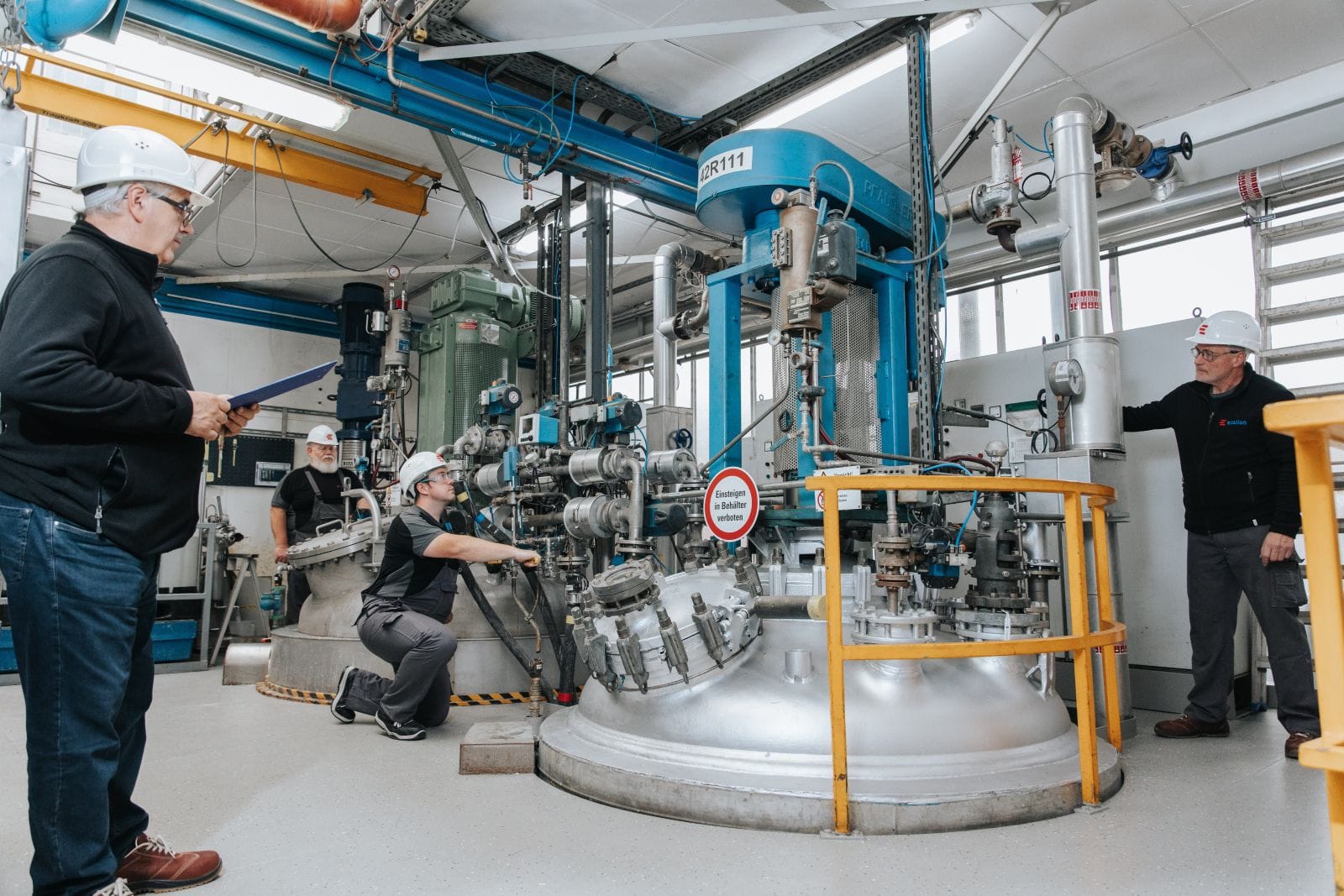
Epsilon Advanced Materials recently announced a major breakthrough in LFP cathode technology through its Germany research unit in Moosburg.From Cell Maker To Box Packer: How India’s Conglomerates Have Retreated In Face Of Chinese Tech Denial