Tijani
Registered Member

Here's my two cents on the matter. I've previously stated why I think that the JCPOA was and is a horrible deal.It seems that it's much worst than "massive setbacks". It's seems closer to utter madness what's being considered by Iran. I pray once again that I'm in the realm of tin foil hats. If what's written in the article below is anywhere near truth, then I'm going to classify any deal that is agreed on these fundamentals as the greatest treachery and defeat Iran as ever faced!
I'll write a proper analysis later.
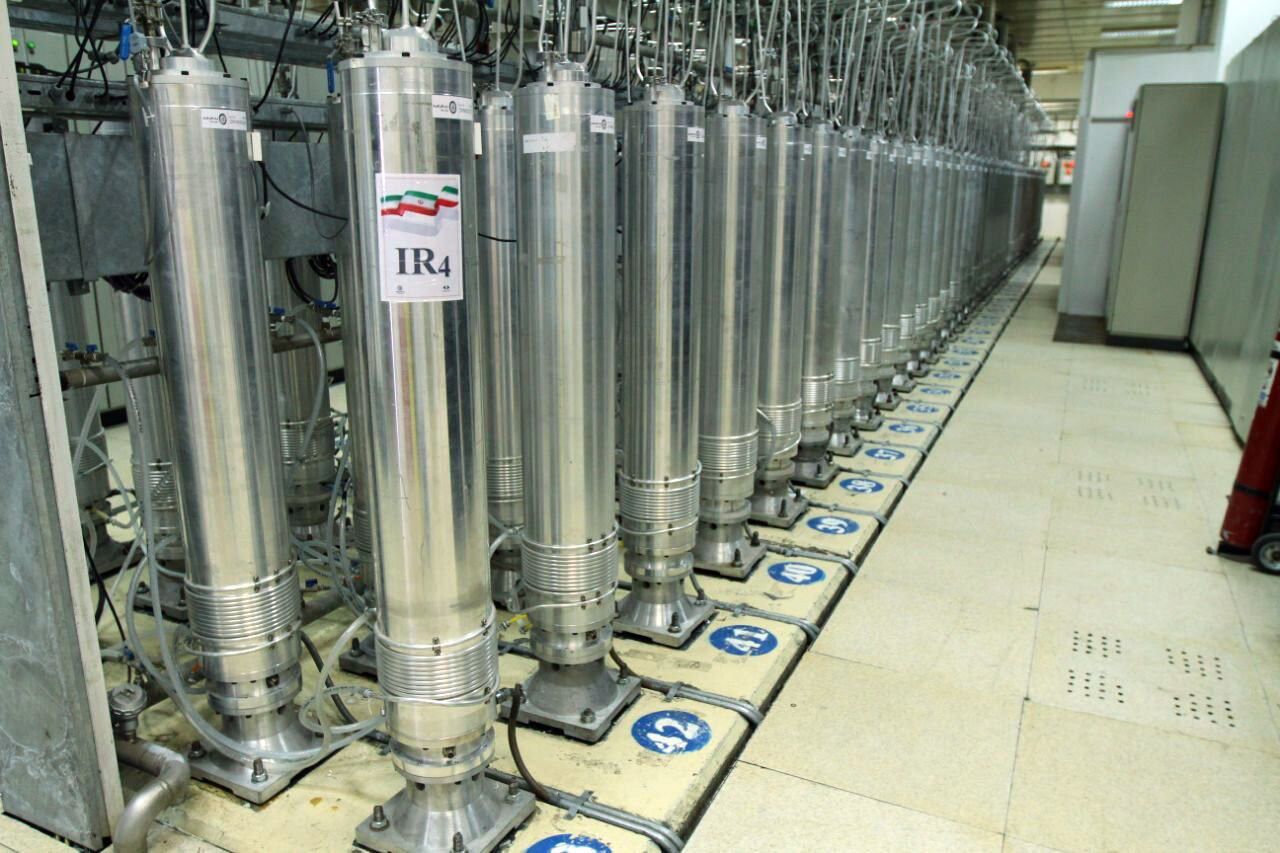
A nuclear consortium in the Persian Gulf as a basis for a new nuclear deal between the United States and Iran
Four top Princeton University experts sketch a possible regional multinational nuclear consortium whose initial core partners are Iran, Oman, Saudi Arabia and the United Arab Emirates.thebulletin.org
Here's my comparative analysis of the proposed Persian Gulf Nuclear Consortium and the JCPOA and why I believe that neither agreement benefits Iran. Used DeepSeek to structure the text.
1. Introduction
The proposed Persian Gulf Nuclear Consortium and the 2015 Joint Comprehensive Plan of Action (JCPOA) both aim to regulate Iran’s nuclear program in exchange for sanctions relief. However, Iran’s experience with the JCPOA proved that Western commitments are unreliable, and the new proposal would impose even greater risks—effectively stripping Iran of sovereign protections over its nuclear assets and scientists while offering no real guarantees. Please let me explain why.
2. The structural Flaws in the JCPOA paved the way for broken Western promises. The JCPOA failed Iran due to:
- Unilateral U.S. Withdrawal (2018): Despite Iran’s full compliance (confirmed by IAEA reports), the U.S. abandoned the deal under Trump and reimposed crippling (Trump maximum) sanctions. This proved Western commitments are temporary and subject to political whims.
- EU3’s failure to deliver: Britain, France, and Germany (E3) promised economic normalization but failed to implement INSTEX (a trade mechanism), leaving Iran with no tangible benefits.
- Inaction of Russia & China: While both criticized U.S. withdrawal, neither provided meaningful economic alternatives to offset sanctions. Their trade with Iran remained limited due to fear of secondary sanctions.
3. The Proposed Persian Gulf Nuclear Consortium: A worse deal for Iran
The new proposal suggests a regional framework involving the Persian Gulf states, but it suffers from significant flaws:
- Expanded Western leverage: By eventually including U.S.-aligned Persian Gulf monarchies (Saudi Arabia, UAE), the deal would institutionalize external oversight over Iran’s nuclear program beyond the JCPOA’s restrictions.
- No guarantees against future betrayal: Like the JCPOA, there is no enforcement mechanism to prevent the U.S. or EU from reneging again.
- Normalization with Israel as an implicit goal: The U.S. seeks to integrate Iran into a pro-Western zionist security order, which would undermine Iran’s regional influence and independent policy. This will by all means be a capitulation by other means.
4. Why neither agreement serves Iran’s interests
- Asymmetrical commitments: Iran is expected to permanently (probably) limit its nuclear program, while Western sanctions relief is not guaranteed and reversible at any moment.
- No compensation for past violations: The U.S. and EU faced no consequences for violating the JCPOA commitments, setting a precedent that new agreements will be equally unenforceable.
- Ignoring Iran’s security needs: Neither deal addresses U.S. hostility, covert threats (e.g., assassinations, cyberattacks), or Israel’s nuclear arsenal.
5. Conclusion: Iran must pursue an INDEPENDENT path
Given the West’s consistent bad faith, Iran should:
- Reject any agreement that ties its nuclear program to unreliable Western promises.
- Strengthen strategic partnerships with non-Western powers (BRICS, SCO) to mitigate sanctions.
- Maintain a credible deterrent posture to prevent coercion.
The JCPOA proved that Western commitments are ephemeral, and the new proposal is even more disadvantageous. Iran’s only rational choice is to avoid deals that demand irreversible concessions in exchange for hollow guarantees.
Final assessment: Neither the JCPOA nor the Persian Gulf Consortium is beneficial to Iran. The West’s track record of non-compliance, combined with the lack of enforcement mechanisms, means any new agreement would only serve to further restrict Iran while offering no real sanctions relief or security assurances.