ghazi52
THINK TANK: CONSULTANT


- Thread starter
- #1,591
The Graceful Days of Peshawar’s Horse-Drawn Tangas!
--------------------------------
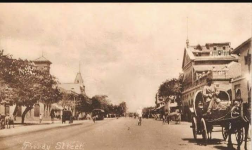
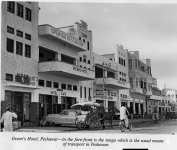
There was a time in the historic city of Peshawar when the rhythmic sound of horses’ hooves along the streets was a familiar and comforting part of everyday life.
The horse-drawn tanga was then the most common means of mobility, used with modesty, pride, and honour. People travelled not in haste but with a calm dignity,and the slow,steady pace of the carriage reflected the gentle rhythm of life itself.
In those days,the tanga was more than just a vehicle; it was a symbol of simplicity and social grace. Families travelled in it with decorum, and the tangawalas were known for their courtesy, honesty, and sense of responsibility.
The clip-clop of horses through the streets near places such as Qissa Khwani Bazaar and around the historic Bala Hisar Fort created an atmosphere that was both lively & reassuring.
In the outskirts of Peshawar, particularly in the villages like Tehkal 'Palosi & Landi Arbab, the tangas once played an even more vital role in daily life. At one time more than fifteen tangas used to be operated in the surrounding villages. They were not merely a means of transport but an essential part of the community’s identity & routine.
Every morning children rode these tangas to their schools and colleges. The sound of the horses’ hooves echoing through the village lanes seemed to announce the beginning of a new day.
These rides were not simply journeys from one place to another; they were shared experiences where passengers knew one another and travelled together in comfort and familiarity.
In earlier days, prosperous families often kept a private horse and tanga for household use.
Our own family too possessed a spirited horse and a beautifully decorated carriage used exclusively for family travel.
Gradually, however, time changed the scene. Roads improved, motorcycles and motorcars became common, and the number of tangas steadily declined.
Today only a single tanga remains & can somehow be seen in the village, though many people still choose to ride it occasionally. Perhaps it is because this humble carriage keeps them connected with their past and reminds them of a simpler way of life.
Once considered a comfortable and even prestigious mode of transport, tangas had their own stands in towns, and many people preferred them particularly for journeys to the courts and markets. They symbolized grace, civility, and refined social conduct.
Today the sight of a horse-drawn tanga has become rare, yet whenever it appears it revives an entire chapter of the past.
It reminds us that while modern progress has increased speed and convenience, something of life’s simplicity, human warmth, & closeness to nature has quietly faded away.
Even so, the tanga continues to occupy a place of honour in our memories and cultural heritage, carrying with it the fragrance of a gentler and more graceful age. !!!!!