PA Options against Indian Armour - ATGMs on MANPADS & Attack Gunship Helicopter - News & Discussions

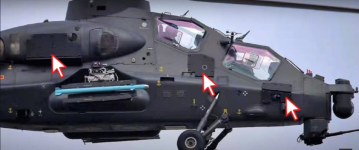
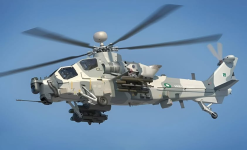
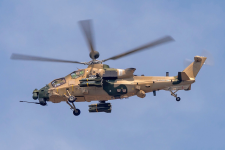
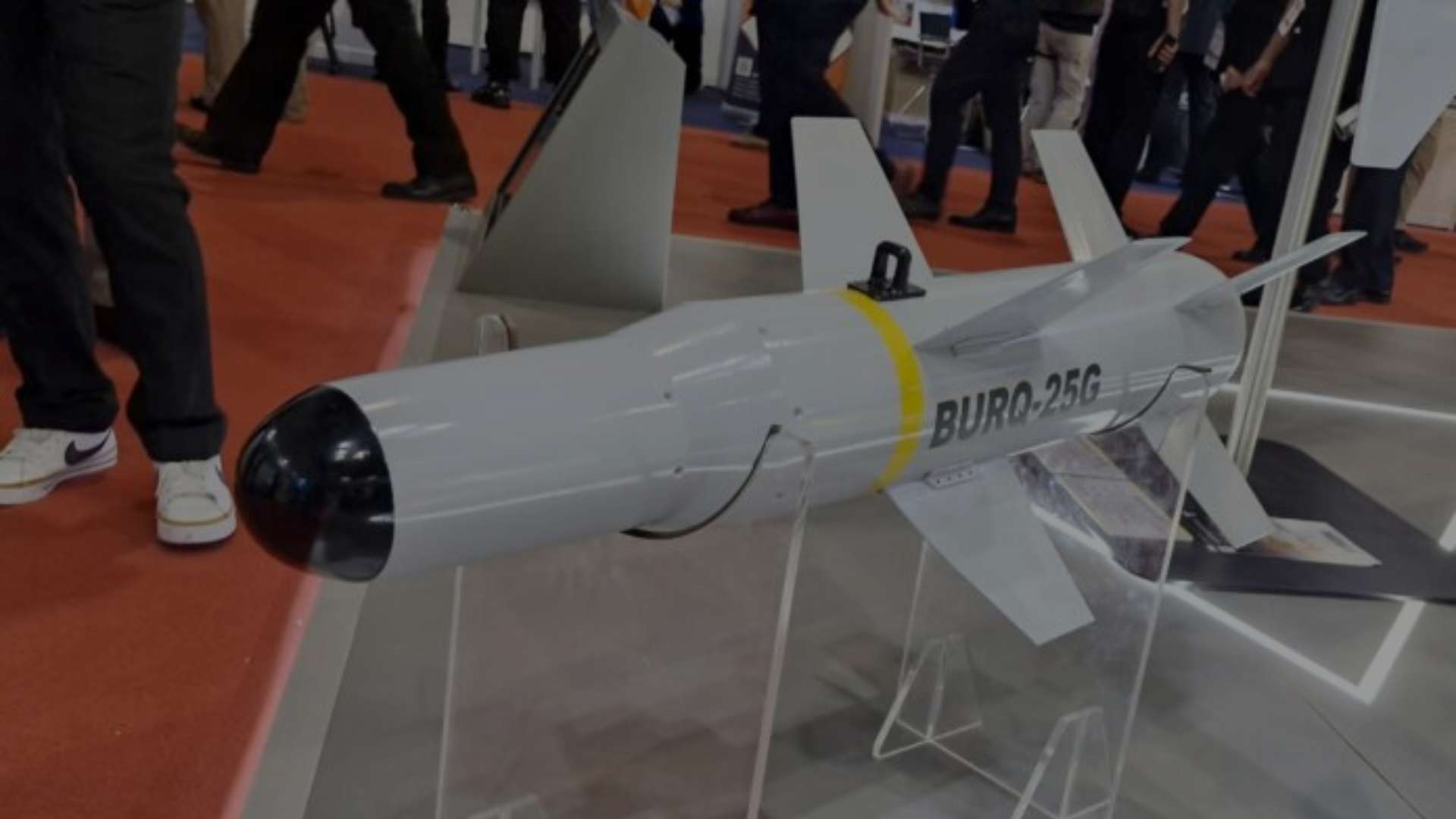
Options in Attack Helis 5-6 Tonn Medium weight Category :

"
-Quad redundant Power plant
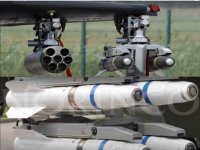
-GR5 guided rockets and air-to-air missiles CM-502KG and TY-90.
-ATGM range extended 20-25 Kms
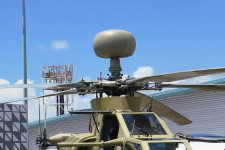
-Millimetre-wave fire control radar MWR FCR --Extensive self-protection systems
-Missile approach warning system,
-Directional infrared countermeasure systems against heat-seeking (IR) missiles,"


1734486223457.png
1734487537108.png
Z-10ME ATGM.jpg

WZ-9G engine, replacing the earlier WZ-9, which boosts power output from 1,250 hp to 1,500 hp.

The PLA has used the helicopter for military exercises near Taiwan and India. More than 200 Z-10s and its numerous variations are in active service with the PLA, according to the Military Balance 2023 report from the International Institute for Strategic Studies think tank."
 
Last edited:

Wah Industries Limited Contracts Turkish Company Repkon for Artillery Shell Factory QUWA​


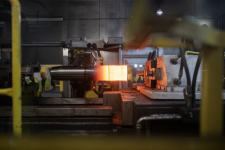
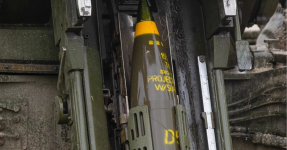
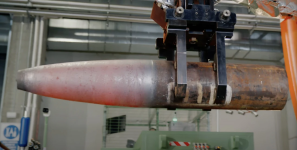
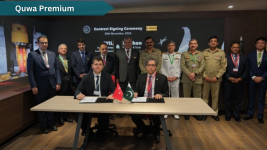
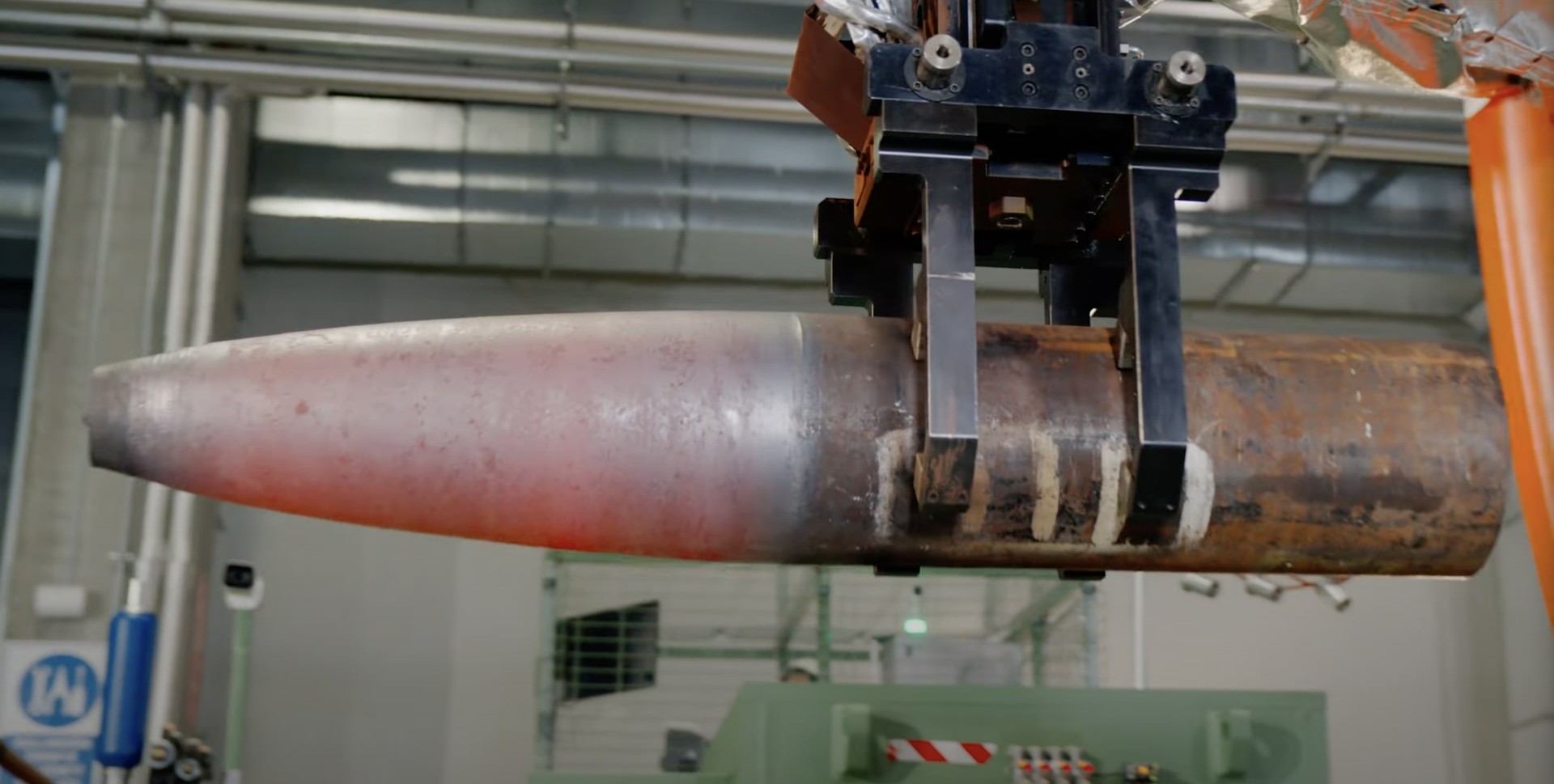
On 21 November, Pakistan’s Wah Industries Limited (WIL) signed an agreement with the Turkish defence contractor Repkon to set up an ammunition body production and filling line at WIL’s facilities for 155 mm artillery shells. This new facility will be able to manufacture 120,000 artillery shells per year.

1736737772278.png

-------------------------------
Repkon’s US subsidiary, Repkon USA, is establishing 155 mm artillery shell production lines in Texas. A contract for the project was signed in October 2024, with production expected to account for 30 percent of all US-manufactured 155 mm shells by 2025. Located in Mesquite, Texas, the facility aims to produce 30,000 shells monthly as part of broader efforts by the US Department of Defense to address a heightened munitions demand, particularly due to the Russia-Ukraine conflict.

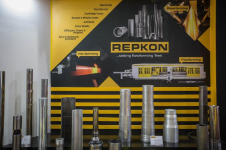
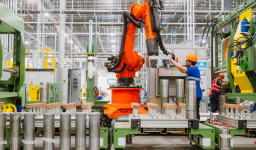
Repkon, founded in 1978 and based in Istanbul, Türkiye, designs and manufactures metal forming machines and provides turnkey production plants. Its technologies include flow forming, shear forming, and hot spinning, enabling the production of components for defense, aerospace, automotive, oil and gas, and mining sectors. Repkon's products include artillery shell production lines, turbine and motor parts, vehicle wheels, and precision tubes.

1736737931161.png

---------------------------------

Repkon is an industrial systems company that supplies machinery for aerospace, oil and gas, automotive, and petrochemical industries. The company also carries out its own original R&D to “develop strategically important technologies” for Turkiye across both defence and civilian sectors.

1736738074875.png

WIL was established in 1958 as a commercial subsidiary of Pakistan Ordnance Factories (POF), which is the country’s primary manufacturer of small arms, small arms ammunition, and artillery shells.

While WIL markets and sells some POF goods to the domestic civilian market, its work has expanded into numerous products for industrial uses, such as steel, gases, and explosives, among others.

1736738128359.png

This new agreement with Repkon suggests that WIL is directly entering the defence industry as a vendor of artillery shells. Granted, WIL does manufacture small arms ammunition, but those can be marketed to civilian and defence buyers alike. Artillery shells, on the other hand, are purely defence applications.

Traditionally, POF had managed Pakistan’s defence ammunition needs, especially artillery shells as well as artillery rockets. This shift towards WIL adding capacity may suggest that POF could be reorganizing by potentially offloading more defence-oriented work to WIL.

A Sign of Contract Manufacturing for Other Companies?​

Several factors could be driving POF to offload artillery shell production work to WIL.

1736738280639.png

First, the global demand for artillery shells, especially in the backdrop of the Russia-Ukraine War, has significantly gone up. Ukraine reportedly fires 5,000 to 6,700 shells per day, which automatically makes Kyiv the foremost potential buyer of any net-new shell production. Moreover, Ukraine’s ongoing need for artillery shells likely depleted existing Western European stocks, prompting those countries to also look across both domestic and foreign sources for products.

In this context, the new WIL facility will add to the global supply chain of artillery shells, thereby sharing the burden for Ukrainian and Western ammunition needs alike.

1736737528158.png

Second, Pakistan is one of Ukraine’s ammunition contractors. In 2022, Pakistan signed 364MUSD deal with Global Military and Northrop Grumman to supply artillery shells, some of which were sent to the frontlines in Ukraine. However, the Ukrainians had Complained about the quality of Pakistani ammunition (unclear if they were referring to shells or rockets)…"

------------------------------


Last edited:

Wah Industries Limited Contracts Turkish Company Repkon for Artillery Shell Factory QUWA​


On 21 November, Pakistan’s Wah Industries Limited (WIL) signed an agreement with the Turkish defence contractor Repkon to set up an ammunition body production and filling line at WIL’s facilities for 155 mm artillery shells. This new facility will be able to manufacture 120,000 artillery shells per year.

View attachment 94697

-------------------------------
Repkon’s US subsidiary, Repkon USA, is establishing 155 mm artillery shell production lines in Texas. A contract for the project was signed in October 2024, with production expected to account for 30 percent of all US-manufactured 155 mm shells by 2025. Located in Mesquite, Texas, the facility aims to produce 30,000 shells monthly as part of broader efforts by the US Department of Defense to address a heightened munitions demand, particularly due to the Russia-Ukraine conflict.

Repkon, founded in 1978 and based in Istanbul, Türkiye, designs and manufactures metal forming machines and provides turnkey production plants. Its technologies include flow forming, shear forming, and hot spinning, enabling the production of components for defense, aerospace, automotive, oil and gas, and mining sectors. Repkon's products include artillery shell production lines, turbine and motor parts, vehicle wheels, and precision tubes.

View attachment 94698

---------------------------------

Repkon is an industrial systems company that supplies machinery for aerospace, oil and gas, automotive, and petrochemical industries. The company also carries out its own original R&D to “develop strategically important technologies” for Turkiye across both defence and civilian sectors.

View attachment 94699

WIL was established in 1958 as a commercial subsidiary of Pakistan Ordnance Factories (POF), which is the country’s primary manufacturer of small arms, small arms ammunition, and artillery shells.

While WIL markets and sells some POF goods to the domestic civilian market, its work has expanded into numerous products for industrial uses, such as steel, gases, and explosives, among others.

View attachment 94700

This new agreement with Repkon suggests that WIL is directly entering the defence industry as a vendor of artillery shells. Granted, WIL does manufacture small arms ammunition, but those can be marketed to civilian and defence buyers alike. Artillery shells, on the other hand, are purely defence applications.

Traditionally, POF had managed Pakistan’s defence ammunition needs, especially artillery shells as well as artillery rockets. This shift towards WIL adding capacity may suggest that POF could be reorganizing by potentially offloading more defence-oriented work to WIL.

A Sign of Contract Manufacturing for Other Companies?​

Several factors could be driving POF to offload artillery shell production work to WIL.

View attachment 94702

First, the global demand for artillery shells, especially in the backdrop of the Russia-Ukraine War, has significantly gone up. Ukraine reportedly fires 5,000 to 6,700 shells per day, which automatically makes Kyiv the foremost potential buyer of any net-new shell production. Moreover, Ukraine’s ongoing need for artillery shells likely depleted existing Western European stocks, prompting those countries to also look across both domestic and foreign sources for products.

In this context, the new WIL facility will add to the global supply chain of artillery shells, thereby sharing the burden for Ukrainian and Western ammunition needs alike.

View attachment 94696

Second, Pakistan is one of Ukraine’s ammunition contractors. In 2022, Pakistan signed 364MUSD deal with Global Military and Northrop Grumman to supply artillery shells, some of which were sent to the frontlines in Ukraine. However, the Ukrainians had Complained about the quality of Pakistani ammunition (unclear if they were referring to shells or rockets)…"

------------------------------


This artillery contest showed the futility of the system and it's obsolescence in the modern battlefields. A cheaper drone can takeout an arty position with much more accuracy than what that position was providing and on the flipside now that position needs to provided air cover, jammers etc...
If anything it should be lesson in figuring out tried, true and tested.
 
This artillery contest showed the futility of the system and it's obsolescence in the modern battlefields. A cheaper drone can takeout an arty position with much more accuracy than what that position was providing and on the flipside now that position needs to provided air cover, jammers etc...
If anything it should be lesson in figuring out tried, true and tested.

A Cheap drone is not a silver bullet .

155mm shells and Howitzers have the utility in battle field with proper application / role / utility / support..

The Game of Sword and Shield continues.
 
Last edited:
This artillery contest showed the futility of the system and it's obsolescence in the modern battlefields. A cheaper drone can takeout an arty position with much more accuracy than what that position was providing and on the flipside now that position needs to provided air cover, jammers etc...
If anything it should be lesson in figuring out tried, true and tested.
then why do they need more shells?
 
A Cheap drone is not a silver bullet .

155mm shells and Howitzers have the utility in battle field with proper application / role / utility / support..

The Game of Sword and Shield continues.

Cheap is a relative word here... in comparison.
 
The sling fest has been a massive drain on existing stockpiles. It is an investment in futility at this point. However in Pakistan's case they may be for export primarily.
if drones are the name of the game why are shells being used by ukraine and russia and why do they need more?
 
if drones are the name of the game why are shells being used by ukraine and russia and why do they need more?
Check progression of the conflict and how it evolved. How many they were using and where they're now.
Platforms they initiated with and where they are now... more mobile. Getting French Caesers...
 
Check progression of the conflict and how it evolved. How many they were using and where they're now.
Platforms they initiated with and where they are now... more mobile. Getting French Caesers..

Artillery is the war hammer.
You can’t lay down punishment with a drone.
You use artillery to saturate fire and flatten everything within the grid.
 
Check progression of the conflict and how it evolved. How many they were using and where they're now.
Platforms they initiated with and where they are now... more mobile. Getting French Caesers...
not the point.

are they still using artillery despite having access to drones? if so, why?
 
not the point.

are they still using artillery despite having access to drones? if so, why?

The point! Progression.
Drones haven't fully matured to the field and arty is a relic...

Further maturity in drones will make larger systems redundant... well without added protection. But that has a cost to it as well. As someone noted above it is used as a hammer and saturation fire. Well if you're up against unmanned systems... in numbers... You be the judge.

However there is a niche and as I mentioned part of that is what Ukraine did... making them more mobile... better protected... etc.

But generally speaking this isn't primarily used as a guided weapon...

I'm not here to write a dissertation. Passed my opinion along for what I think is general direction of this piece and why it maybe futile/cost prohibitive, in the long run.
 
Last edited:
Last edited:

Users who are viewing this thread

Back
Top