Navigation
Install the app
How to install the app on iOS
Follow along with the video below to see how to install our site as a web app on your home screen.
Note: This feature may not be available in some browsers.
More options
Style variation
You are using an out of date browser. It may not display this or other websites correctly.
You should upgrade or use an alternative browser.
You should upgrade or use an alternative browser.
Pakistan Major Dams News and Discussions
- Thread starter ghazi52
- Start date
More options
Who Replied?


ghazi52
THINK TANK: CONSULTANT
- Thread starter
- #63
Mangla Dam Memories
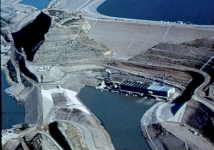
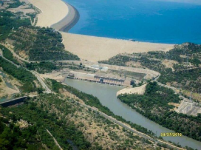
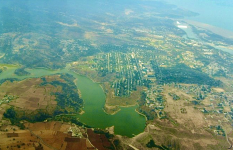
Two brilliant comparison pics of the Power House and Fort taken more than 40 years apart.
The first pic is from the JOE McNABB album. FROM JEFFREY: 1967 - Powerhouse, Bong canal, Mangla Dam.
The second pic is from the JAVED IQBAL album. FROM JAVED: 2010 - An aerial view of Mangla…..the Power House.
ghazi52
THINK TANK: CONSULTANT
- Thread starter
- #65
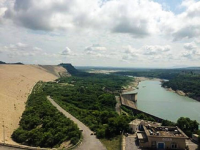
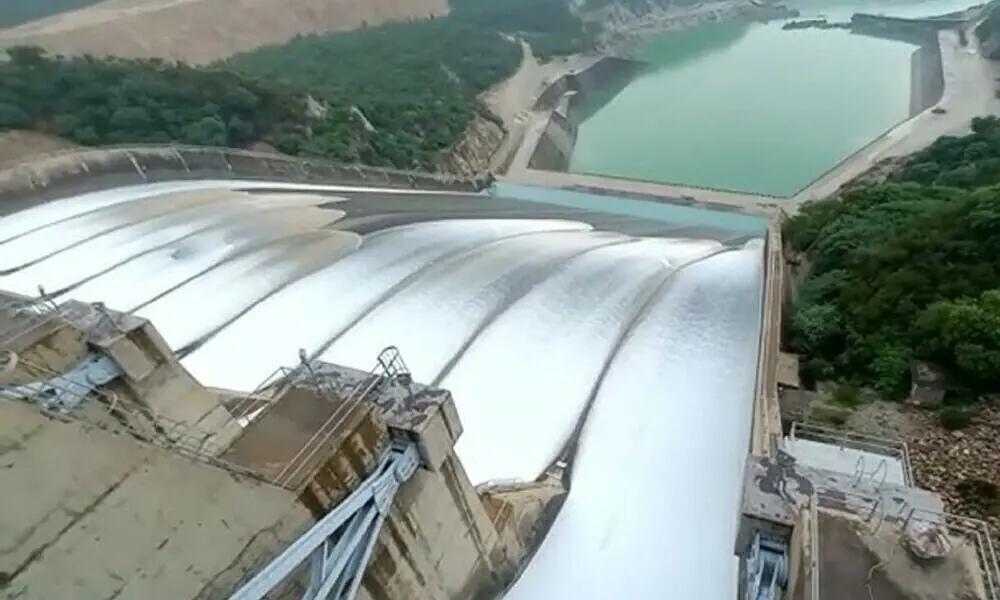
Two fabulous comparison pics of Mangla Dam taken more than 50 years apart.
The first pic is from the BOB FISH album. FROM BOB: 1965 - Left side of Main Spillway and Mangla Dam embankment under construction.
The second pic is from MANSOOR AZAM first posted in 2017: Mangla Dam from Main Spillway.
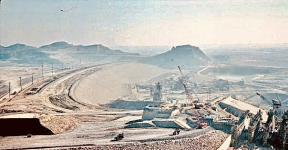
The first pic is from the BOB FISH album. FROM BOB: 1965 - Left side of Main Spillway and Mangla Dam embankment under construction.
The second pic is from MANSOOR AZAM first posted in 2017: Mangla Dam from Main Spillway.
ghazi52
THINK TANK: CONSULTANT
- Thread starter
- #66
Hydropower generation reaches 6,000MW: PD
April 30, 2026ISLAMABAD: Power generation from hydropower sources reached 6,000MW during peak hours on Tuesday night against a total installed hydel capacity of 11,500MW.
According to Power Division, electricity generation improved further due to the supply of local gas to certain power plants. Increased hydropower generation, along with the availability of additional indigenous gas, contributed to enhanced stability in the national grid, particularly through supply from the southern region of the country.
This improvement facilitated the addition of another 100MW to the system.
According to the Power Division, a total of 500MW was transmitted from the southern region to the national grid.
The spokesperson said that distribution companies carried out load management ranging from 25 minutes to one hour during peak hours last night. However, after 8:00pm, no load management was carried out as electricity demand declined due to improved weather conditions.

Fatman17
Moderator
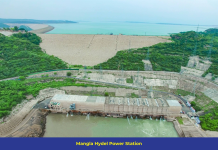
Cost overruns: Another USD300m sought from World Bank for ‘T4HP’
Pakistan seeks an additional $300 million from the World Bank for the Tarbela Fifth Hydropower Project, crucial for ensuring safe operation of the Tarbela Reservoir and boosting electricity generation by 2027.
share.google
Fatman17
Moderator
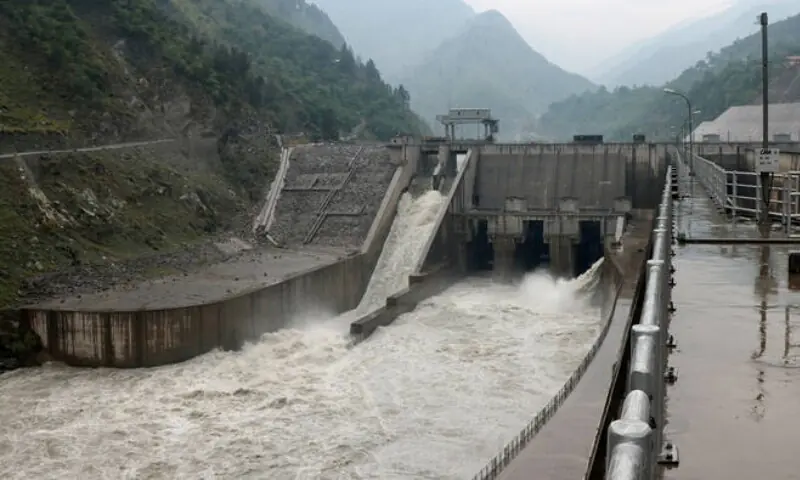
Govt plans Wapda security force for water projects
Chinese workers, engineers to get enhanced security; force to guard dams, plants, project sites; bill sent to parliament for approval.
share.google

SD 10
Trusted Member
Same project thats was once championed by shobaz shareef now noonies wont even name it!

hydrabadi_arab
SpeedLimited
• Chinese workers, engineers to get enhanced security
• Force to guard dams, plants, project sites
• Bill sent to parliament for approval
• Move follows attacks on Dasu hydel workers
ISLAMABAD: The government has decided to create a new “Wapda Security Force” to provide dedicated security to major water sector infrastructure projects across the country and associated workers, particularly those from China.
The force is being created through the Wapda Security Force Act, 2026, which has already been forwarded to parliament.
“The Wapda Security Force is being constituted to ensure the protection and security of critical infrastructure managed by the Water and Power Development Authority,” reads the statement of objects and reasons.
The decision to create a standalone force follows two terrorist attacks on engineers and workers of the over $6 billion Dasu Hydropower Project in November 2021 and March 2024, in which several Chinese and Pakistani workers were killed.
Initially, CPEC-related security was extended to the Dasu project.
An official explained that two special security divisions of the Pakistan Army (North and South) provided security to CPEC projects in Balochistan and along the route up to Gilgit-Baltistan, but Wapda projects did not fall under the CPEC security arrangement.
He said a special arrangement was therefore needed, adding that Wapda’s entire security system was being revamped.
The official recalled that an attack on Dasu project staff and the resultant loss of lives led to the suspension of the project by the Chinese side for well over a year. Work later resumed after top-level government engagement and payment of compensation, despite cost escalations and delays.
A CPEC-like security arrangement was later extended to other projects involving Chinese workers through a major outer security cover provided by the Pakistan Army, in addition to Wapda’s internal security, local police and Rangers or Frontier Constabulary in other provinces.
Following consultations with the Chinese side, the prime minister directed that CPEC-level security cover should be available to all projects, particularly those involving Chinese nationals and generally to other water sector projects of national importance.
The Wapda Security Force, to be led by a director general, most likely from the armed forces, will be responsible for the security of critical infrastructure, including dams and power plants essential for the country’s economic stability and security.
The new force, with its own uniform, insignia and stamp, will operate in notified areas across the country with specific responsibility for the security of water projects.
For example, it will provide security to the K-4 Greater Water Supply Scheme in Sindh in addition to Rangers and local police, and work alongside FC forces in Khyber Pakhtunkhwa and Balochistan.
The force will ensure the safety and security of installations, dams, powerhouses, machinery, equipment, offices, personnel and residences of personnel and prevent offences related to them.
The superintendence of the Wapda Security Force will vest in the federal government, while its control will remain with Wapda.
The force will ensure adequate security arrangements in notified areas and provide protection to Wapda personnel and persons working on Wapda projects, including while travelling to and from notified areas, through coordination with law enforcement and intelligence agencies.
It will also coordinate with and assist other law enforcement and intelligence agencies, if ordered by the government, in protecting notified areas from encroachment and trespassing after notification in the official gazette.
The strength of the force will depend on security requirements from time to time.
The staff and officers of the force will be governed under the Essential Services Act and will not be allowed to engage in any other employment while serving in the force.
The draft law also states that the Industrial Relations Act, 2012, and the Industrial and Commercial Employment (Standing Orders) Ordinance, 1968, will not apply to any officer or staff member of the Wapda Security Force.
To provide legal indemnity, the draft law says no suit, prosecution or other proceedings will lie against the government, Wapda, the director general, any officer or staff member of the force, or any other person exercising powers or performing functions under the law in good faith.
“In particular and without prejudice to the generality of the provisions of the act, an officer or staff of the force shall not be subject to any criminal or civil liability for actions taken in exercise of powers and functions under this Wapda Security Force Act,” it says.
Published in Dawn, May 25th, 2026
• Force to guard dams, plants, project sites
• Bill sent to parliament for approval
• Move follows attacks on Dasu hydel workers
ISLAMABAD: The government has decided to create a new “Wapda Security Force” to provide dedicated security to major water sector infrastructure projects across the country and associated workers, particularly those from China.
The force is being created through the Wapda Security Force Act, 2026, which has already been forwarded to parliament.
“The Wapda Security Force is being constituted to ensure the protection and security of critical infrastructure managed by the Water and Power Development Authority,” reads the statement of objects and reasons.
The decision to create a standalone force follows two terrorist attacks on engineers and workers of the over $6 billion Dasu Hydropower Project in November 2021 and March 2024, in which several Chinese and Pakistani workers were killed.
Initially, CPEC-related security was extended to the Dasu project.
An official explained that two special security divisions of the Pakistan Army (North and South) provided security to CPEC projects in Balochistan and along the route up to Gilgit-Baltistan, but Wapda projects did not fall under the CPEC security arrangement.
He said a special arrangement was therefore needed, adding that Wapda’s entire security system was being revamped.
The official recalled that an attack on Dasu project staff and the resultant loss of lives led to the suspension of the project by the Chinese side for well over a year. Work later resumed after top-level government engagement and payment of compensation, despite cost escalations and delays.
A CPEC-like security arrangement was later extended to other projects involving Chinese workers through a major outer security cover provided by the Pakistan Army, in addition to Wapda’s internal security, local police and Rangers or Frontier Constabulary in other provinces.
Following consultations with the Chinese side, the prime minister directed that CPEC-level security cover should be available to all projects, particularly those involving Chinese nationals and generally to other water sector projects of national importance.
The Wapda Security Force, to be led by a director general, most likely from the armed forces, will be responsible for the security of critical infrastructure, including dams and power plants essential for the country’s economic stability and security.
The new force, with its own uniform, insignia and stamp, will operate in notified areas across the country with specific responsibility for the security of water projects.
For example, it will provide security to the K-4 Greater Water Supply Scheme in Sindh in addition to Rangers and local police, and work alongside FC forces in Khyber Pakhtunkhwa and Balochistan.
The force will ensure the safety and security of installations, dams, powerhouses, machinery, equipment, offices, personnel and residences of personnel and prevent offences related to them.
The superintendence of the Wapda Security Force will vest in the federal government, while its control will remain with Wapda.
The force will ensure adequate security arrangements in notified areas and provide protection to Wapda personnel and persons working on Wapda projects, including while travelling to and from notified areas, through coordination with law enforcement and intelligence agencies.
It will also coordinate with and assist other law enforcement and intelligence agencies, if ordered by the government, in protecting notified areas from encroachment and trespassing after notification in the official gazette.
The strength of the force will depend on security requirements from time to time.
The staff and officers of the force will be governed under the Essential Services Act and will not be allowed to engage in any other employment while serving in the force.
The draft law also states that the Industrial Relations Act, 2012, and the Industrial and Commercial Employment (Standing Orders) Ordinance, 1968, will not apply to any officer or staff member of the Wapda Security Force.
To provide legal indemnity, the draft law says no suit, prosecution or other proceedings will lie against the government, Wapda, the director general, any officer or staff member of the force, or any other person exercising powers or performing functions under the law in good faith.
“In particular and without prejudice to the generality of the provisions of the act, an officer or staff of the force shall not be subject to any criminal or civil liability for actions taken in exercise of powers and functions under this Wapda Security Force Act,” it says.
Published in Dawn, May 25th, 2026
Waz
Administrator

Khyber Pakhtunkhwa and Azad Kashmir hold most of Pakistan's hydroelectric and critical water. Whilst in Sind and Punjab the number of damns are more but their storage capacity is very small. Pathetic state of affairs.
RealNapster
Elite Member
• Chinese workers, engineers to get enhanced security
• Force to guard dams, plants, project sites
• Bill sent to parliament for approval
• Move follows attacks on Dasu hydel workers
ISLAMABAD: The government has decided to create a new “Wapda Security Force” to provide dedicated security to major water sector infrastructure projects across the country and associated workers, particularly those from China.
The force is being created through the Wapda Security Force Act, 2026, which has already been forwarded to parliament.
“The Wapda Security Force is being constituted to ensure the protection and security of critical infrastructure managed by the Water and Power Development Authority,” reads the statement of objects and reasons.
The decision to create a standalone force follows two terrorist attacks on engineers and workers of the over $6 billion Dasu Hydropower Project in November 2021 and March 2024, in which several Chinese and Pakistani workers were killed.
Initially, CPEC-related security was extended to the Dasu project.
An official explained that two special security divisions of the Pakistan Army (North and South) provided security to CPEC projects in Balochistan and along the route up to Gilgit-Baltistan, but Wapda projects did not fall under the CPEC security arrangement.
He said a special arrangement was therefore needed, adding that Wapda’s entire security system was being revamped.
The official recalled that an attack on Dasu project staff and the resultant loss of lives led to the suspension of the project by the Chinese side for well over a year. Work later resumed after top-level government engagement and payment of compensation, despite cost escalations and delays.
A CPEC-like security arrangement was later extended to other projects involving Chinese workers through a major outer security cover provided by the Pakistan Army, in addition to Wapda’s internal security, local police and Rangers or Frontier Constabulary in other provinces.
Following consultations with the Chinese side, the prime minister directed that CPEC-level security cover should be available to all projects, particularly those involving Chinese nationals and generally to other water sector projects of national importance.
The Wapda Security Force, to be led by a director general, most likely from the armed forces, will be responsible for the security of critical infrastructure, including dams and power plants essential for the country’s economic stability and security.
The new force, with its own uniform, insignia and stamp, will operate in notified areas across the country with specific responsibility for the security of water projects.
For example, it will provide security to the K-4 Greater Water Supply Scheme in Sindh in addition to Rangers and local police, and work alongside FC forces in Khyber Pakhtunkhwa and Balochistan.
The force will ensure the safety and security of installations, dams, powerhouses, machinery, equipment, offices, personnel and residences of personnel and prevent offences related to them.
The superintendence of the Wapda Security Force will vest in the federal government, while its control will remain with Wapda.
The force will ensure adequate security arrangements in notified areas and provide protection to Wapda personnel and persons working on Wapda projects, including while travelling to and from notified areas, through coordination with law enforcement and intelligence agencies.
It will also coordinate with and assist other law enforcement and intelligence agencies, if ordered by the government, in protecting notified areas from encroachment and trespassing after notification in the official gazette.
The strength of the force will depend on security requirements from time to time.
The staff and officers of the force will be governed under the Essential Services Act and will not be allowed to engage in any other employment while serving in the force.
The draft law also states that the Industrial Relations Act, 2012, and the Industrial and Commercial Employment (Standing Orders) Ordinance, 1968, will not apply to any officer or staff member of the Wapda Security Force.
To provide legal indemnity, the draft law says no suit, prosecution or other proceedings will lie against the government, Wapda, the director general, any officer or staff member of the force, or any other person exercising powers or performing functions under the law in good faith.
“In particular and without prejudice to the generality of the provisions of the act, an officer or staff of the force shall not be subject to any criminal or civil liability for actions taken in exercise of powers and functions under this Wapda Security Force Act,” it says.
Published in Dawn, May 25th, 2026
Chalo best hy. Kisi retired colonel ki roti lag jani yahan se.
Users who are viewing this thread
Total: 4 (members: 0, guests: 4)
Pakistan Defence Latest


Country Watch Latest
-
 Iran - Israel/US War: Israel-US declare war on Iran, Iran responds (319 Viewers)
- Latest: Master Chief
-
-

-

-
TF-X / KAAN / Hürjet Turkish Fighter & Trainer Aircrafts News & Discussions (9 Viewers)
- Latest: The SC
Latest Posts
-
Iran - Israel/US War: Israel-US declare war on Iran, Iran responds (319 Viewers)
- Latest: Master Chief
-

-

-
-