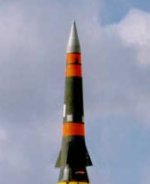
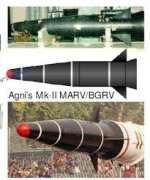
You need to have all options at your disposal.
Agree, Pakistan needs to utilise/coordinate all services to have the desired impact on the enemy and it's forces.
To maximise the impact of any military operation against enemy forces, Pakistan must fully utilise all branches of its armed forces in a coordinated and integrated manner. Here's how that works and why it's essential:
Full-Spectrum Military Coordination for Maximum Impact
1. Army (Ground Forces)
- Role: Engage in direct combat, secure territory, and hold strategic positions.
- Impact: Ground dominance is essential for controlling key areas and pushing back enemy forces.
2. Air Force
- Role: Provide air superiority, conduct precision strikes, and support ground troops.
- Impact: Disrupts enemy logistics, destroys high-value targets, and protects friendly forces from aerial threats.
3. Navy
- Role: Secure maritime borders, launch sea-based missile strikes, and support amphibious operations.
- Impact: Prevents enemy reinforcements or supplies via sea and enables coastal offensives.
4. Intelligence Services (e.g., ISI)
- Role: Gather actionable intelligence, monitor enemy movements, and support targeting.
- Impact: Enhances precision, reduces collateral damage, and increases operational success.
5. Cyber and Electronic Warfare Units
- Role: Disrupt enemy communications, radar, and command systems.
- Impact: Creates confusion and delays in enemy response, giving Pakistan a tactical edge.
Why Full Utilisation Matters
- Synergy: Each branch complements the others — airstrikes soften targets, ground forces capture them, and naval forces secure flanks.
- Speed and Surprise: Coordinated attacks overwhelm the enemy before they can respond effectively.
- Sustainability: Joint operations allow for better resource management and long-term operational endurance.
How the Pakistan military conducts coordinated attacks.
1. Strategic Planning
Before any operation, military leadership conducts strategic planning. This involves:
- Identifying objectives (e.g. neutralising a threat, securing territory)
- Assessing enemy capabilities
- Allocating resources (troops, aircraft, naval units, etc.)
- Establishing timelines and phases of the operation
This planning is typically done at the Joint Staff Headquarters (JS HQ), which oversees coordination between the Army, Navy, and Air Force.
2. Intelligence Gathering
Intelligence is gathered through:
- Reconnaissance missions
- Satellite imagery
- Signals intelligence (SIGINT)
- Human intelligence (HUMINT)
This information helps commanders understand enemy positions, movements, and weaknesses.
3. Joint Operations Coordination
Pakistan’s military uses a joint command structure to synchronise efforts across all branches:
- Army: Ground forces execute direct assaults, secure areas, and hold positions.
- Air Force: Provides air cover, conducts airstrikes, and supports troop movements.
- Navy: Engages in maritime operations, especially in coastal or amphibious missions.
They use secure communication systems and real-time data sharing to stay coordinated.
4. Execution of the Attack
Once everything is in place:
- Airstrikes or artillery may begin the assault to weaken enemy defences.
- Ground troops move in to capture or clear the area.
- Special forces may be deployed for high-value targets or sabotage missions.
- Naval units may block enemy reinforcements or supply lines if near coastal areas.
5. Post-Operation Review
After the mission:
- A debriefing is conducted to assess success and identify lessons learned.
- Casualty reports, equipment status, and mission outcomes are documented.
- Adjustments are made for future operations.
Pakistan needs to ensure that all the tri-services work effectively to achieve their goals. In addition, all political services do their job professionally and be 2 steps ahead of the enemy country (Give directions, continue to Lobby/influence other Governments, be effective in Information Warfare etc.).