King Salman bin Abdulaziz Royal Reserve, a haven for migratory birds and endangered species
1 / 2
Field teams from the King Salman bin Abdulaziz Royal Reserve have spotted more than 300 great white pelicans. (SPA)
2 / 2
Field teams from the King Salman bin Abdulaziz Royal Reserve have spotted more than 300 great white pelicans. (SPA)
ARAB NEWS
October 21, 2025
- Hundreds of great white pelicans are among a wealth of bird species that will rest and feed at the reserve before continuing their long journey south for the winter
- It attracts more than 290 species, including the heron, a common migratory presence in the region, the eastern imperial eagle, and the houbara
RIYADH: During the migratory season this year, field teams from the King Salman bin Abdulaziz Royal Reserve have spotted more than 300 great white pelicans at one of five sites within the reserve recognized as Important Bird and Biodiversity Areas and Key Biodiversity Areas.
These five locations are particularly significant because they lie along the migratory route and so they serve as havens where birds can rest and feed during their long journeys south. As a result, the reserve is considered one of the region’s key nature attractions featuring large migratory birds, which account for about 88 percent of its total recorded species.
It attracts more than 290 species, including the heron, a common migratory presence in the region, the eastern imperial eagle, and the houbara.
Environmentalists at the reserve are busy implementing ecological programs and monitoring its key migratory sites to ensure the sustainability of these species.
The reserve is home to 26 species of birds that are listed internationally as endangered, the Saudi Press Agency reported, and the teams of experts working there are contributing to conservation efforts and the protection of biodiversity to help ensure a balanced ecosystem.
The royal reserve covers an area of
130,700 sq. km that takes in parts of Northern Borders region, Jouf, Tabuk and Hail. It is one of the first stops in the Kingdom for birds arriving from Asia and Europe in the fall, and the last before they head north in the spring.
RIYADH: During the migratory season this year, field teams from the King Salman bin Abdulaziz Royal Reserve have spotted more than 300 great white pelicans at one of five sites within the reserve recognized as Important Bird and Biodiversity Areas and Key Biodiversity Areas. These five locations...

www.arabnews.com
Tree species discovered for first time at King Abdulaziz Royal Reserve
HAIFA ALSHAMMARI
October 22, 2025
The Sarh tree is part of the Capparaceae family and grows up to 10 meters tall, with a stunted, twisted bole of 25cm in diameter. (SPA)
- First discovery of a Maerua crassifolia tree, known as the sarh tree, at the reserve
- Sarh tree is native to Africa and grows in the wild throughout the Middle East
RIYADH: The King Abdulaziz Royal Reserve Development Authority recently announced the first discovery of a Maerua crassifolia tree, known as the sarh tree, at the reserve.
The discovery occurred during field surveys by experts from the reserve to identify and protect rare plant species while promoting the sustainability of natural habitats.
The sarh tree is part of the Capparaceae family and grows up to 10 meters tall, with a stunted, twisted bole about 25 centimeters in diameter.
The sarh tree is native to Africa and grows in the wild throughout the Middle East, including the Arabian Peninsula and desert areas of the Levant.
It is threatened by land overuse and overgrazing, although it plays an essential role in stabilizing the ecosystem by enhancing vegetation cover, supporting wildlife, and maintaining ecological balance in dry regions such as the kingdom’s harsh climate.
“
The sarh plant was once widespread in the Najd region, but its numbers have declined significantly due to excessive woodcutting, as its wood was highly sought after for its hardness and quality,” said Abdullah Alowaifeer, director general of environment and sustainability at King Abdulaziz Royal Reserve Development Authority.
Alowaifeer added: “We thought it had gone extinct in the reserve, but thankfully, we recently managed to discover a single tree.
“
The importance of the sarh lies in being a wild tree that can withstand harsh conditions. It also serves as a natural carbon store and an important refuge for birds and wildlife.”
According to the King Abdulaziz Royal Reserve Development Authority, the tree was found in the Wadi Al-Shawki area.
Mahir Al-Qathami, CEO of the King Abdulaziz Royal Reserve Development Authority, described the discovery of the tree as a “success” of the scientific efforts by the authority to study and document the natural environment, SPA reported.
He further said that continuous field surveys are essential for monitoring rare species and for developing strategies to protect and sustain them.
In addition, the royal reserve started implementing a protection plan right after the recent discovery, including fencing the site, conducting regular monitoring, installing an informational sign about the tree’s
environmental importance, and collecting seeds to increase the plant’s numbers in other locations in the reserve.
“
We are currently working on rehabilitating this plant species by establishing a dedicated nursery, collecting seeds and growing seedlings in preparation for replanting them in their natural habitats, with the goal of reviving the species and enhancing biodiversity in the reserve,” Alowaifeer said.
RIYADH: The King Abdulaziz Royal Reserve Development Authority recently announced the first discovery of a Maerua crassifolia tree, known as the sarh tree, at the reserve. The discovery occurred during field surveys by experts from the reserve to identify and protect rare plant species while...
www.arabnews.com
Jouf olive presses start annual production season
ARAB NEWS
21 October 2025
- Every year, the region celebrates production through the Jouf International Olive Festival
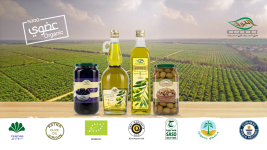
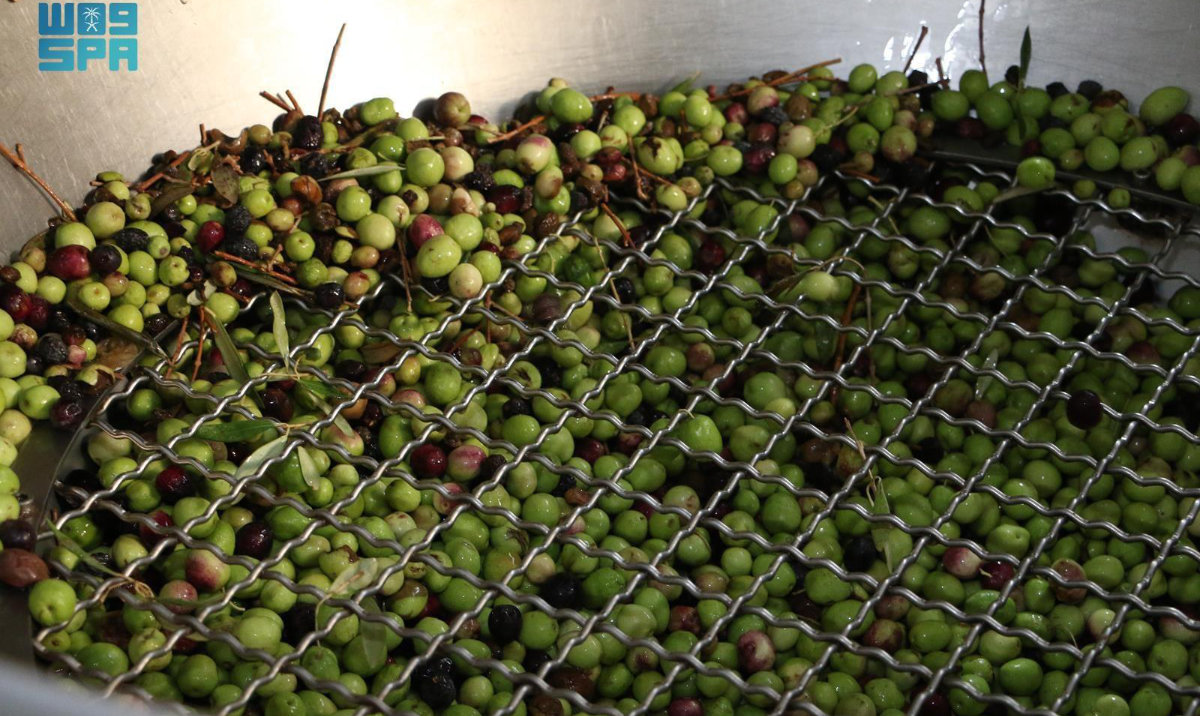
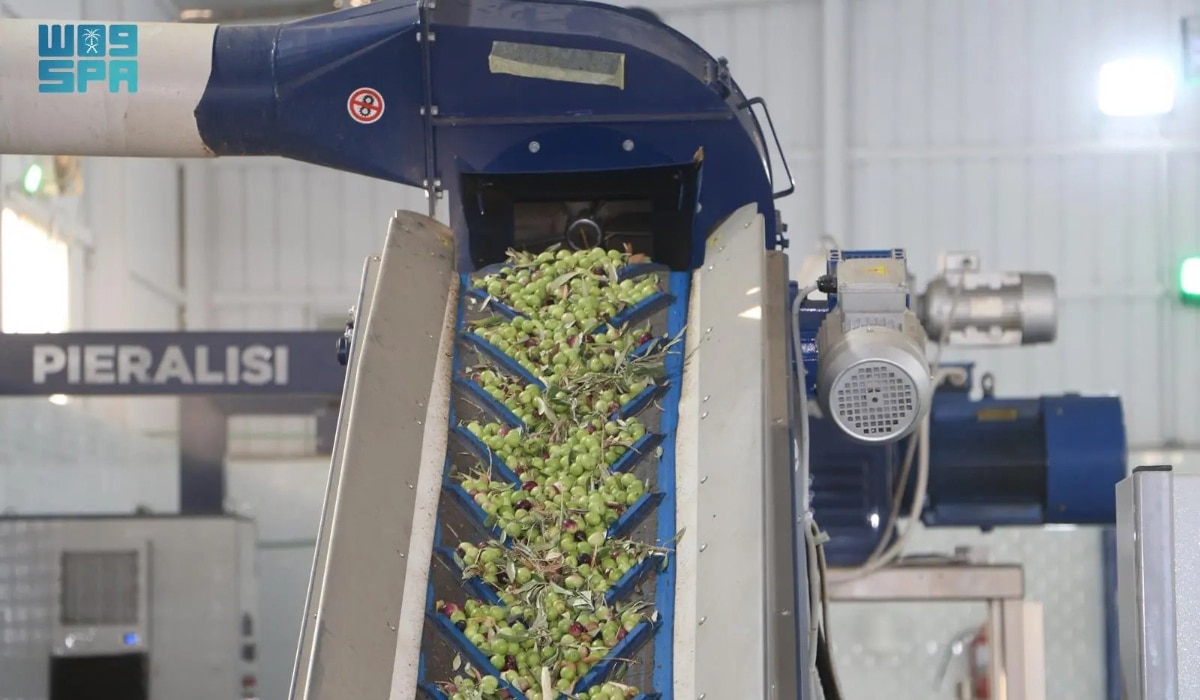
RIYADH: Olive presses in the Jouf region have begun production, supplying olive oil and pressed olives to local and international markets, marking the start of a busy season for agricultural holdings and projects.
Mohammed Al-Fadel, chairman of a local multipurpose cooperative association, highlighted his organization’s efforts to meet the region’s growing production.
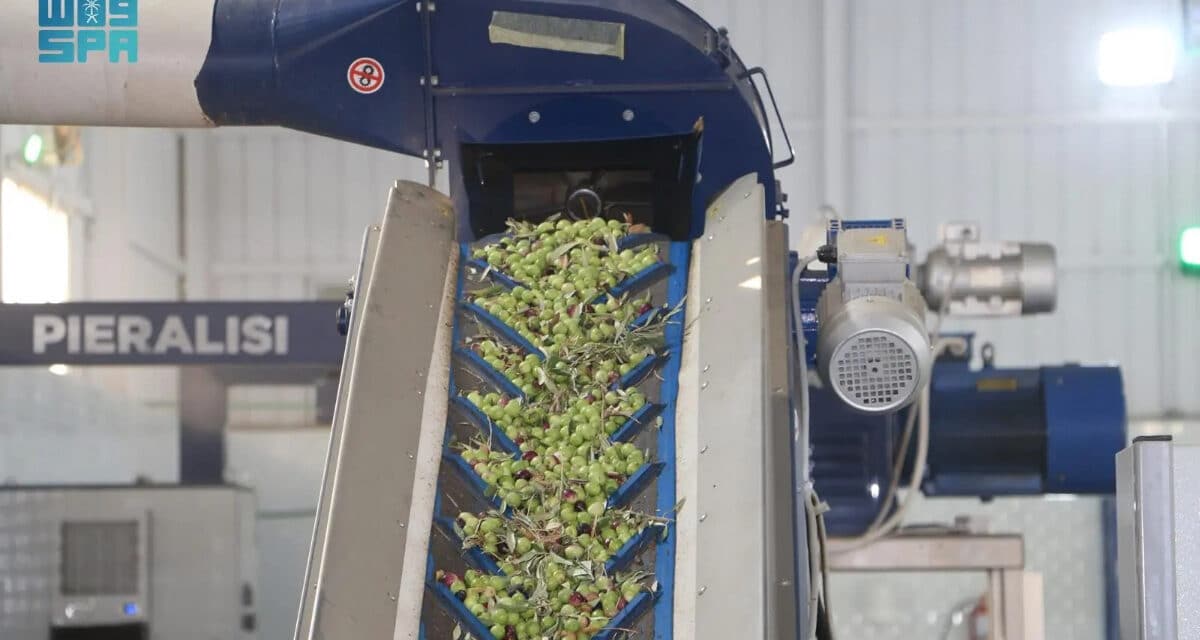
He said the association recently upgraded its press with the latest Italian technology, increasing capacity from 18 to 60 tonnes per 24 hours, the Saudi Press Agency reported.
Al-Fadel added that the press, serving farmers since the 1990s, now operates around the clock during the season, which typically runs until January.
Last year, it processed the produce of 215 farmers, ensuring product safety through laboratory testing in cooperation with the Ministry of Environment, Water and Agriculture.
Bassam Al-Owaiesh, associate professor of environment and agriculture at Jouf University’s biology department,
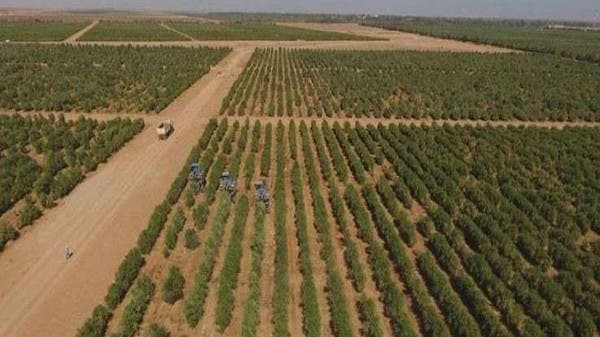
said the region has more than 25 million olive trees, with production starting in early October.
The region cultivates numerous varieties, including Arbequina and Picual, valued for their oil content and fruit size, he added.
Every year, the region celebrates production through the Jouf International Olive Festival. Organized by the regional municipality, the event showcases the region’s olive oil and table olives, as well as related industries like olive soap, pickles and cosmetic products.
Jouf olive presses start annual production season
www.arabnews.com
AL-JOUF OLIVE PRESSES EXPAND TO MEET RISING FARMER DEMAND
Oct 21, 2025 |
Agriculture,
Industry,
Manufacturing
SPA — Olive presses in Al-Jouf have begun operating at full capacity for the 2025 harvest season. They are processing olives from local farms and large-scale agricultural projects. The presses produce olive oil and table olives for markets in Saudi Arabia and abroad. This signals a strong season for the region’s expanding olive industry.
TECHNOLOGICAL UPGRADES DRIVE PRODUCTION GROWTH
Mohammed Al-Fadel, the chairman of the Al-Jouf Multi-Purpose Cooperative Society, said the olive press has been upgraded. This upgrade is to keep pace with the region’s rising production and meet local farmers’ demand. Since its establishment in 1416 AH, its daily capacity has grown from 18 to 60 tons. The introduction of advanced Italian olive oil extraction systems supports this growth.
The cooperative’s imported presses, launched last year, operate continuously throughout the harvest period, which extends until January. In the previous season, the cooperative processed olives from 215 farmers and carried out comprehensive quality and safety testing with the Ministry of Environment, Water, and Agriculture.
A REGIONAL HUB FOR OLIVE CULTIVATION
According to Dr. Bassam Al-Owaish, Associate Professor of Environment and Agriculture at Al-Jouf University, the region is home to more than 25 million olive trees. These trees are cultivated across both smallholdings and large farms. Annual production typically begins in early October. Popular varieties include Arbequina, Koroneiki, Arbosana, Sourani, Zayti, and Picual. Each cultivar offers distinct characteristics in oil yield and fruit size, reflecting the region’s agricultural diversity.
FESTIVAL SHOWCASES OLIVE-BASED INDUSTRIES
Al-Jouf’s olive economy extends beyond farming and pressing. The International Olive Festival, held annually by the Al-Jouf Municipality, has become a major platform for promoting Saudi olive products and their derivatives. The festival highlights olive-based industries such as soap, pickles, cosmetics, olive tea, and salads. It also encourages innovation through competitions, with awards reaching SAR 500,000.
With its advanced technology, agricultural expertise, and growing market appeal, Al-Jouf continues strengthening its position as Saudi Arabia’s leading olive production hub.
THE SAUDI STANDARD’S VIEW: AL-JOUF’S EXPANDING OLIVE INDUSTRY STRENGTHENS SAUDI AGRICULTURAL INNOVATION
The expansion of olive presses in Al-Jouf signals a new phase of Saudi Arabia’s agricultural modernization. Tradition and technology combine to enhance food security, economic diversification, and rural prosperity. With upgraded production capacity and international-standard processing systems, Al-Jouf continues establishing itself as the Kingdom’s capital of olive cultivation. This sector is increasingly aligned with Vision 2030’s sustainability and agri-innovation goals.
• TECHNOLOGICAL MODERNIZATION ANCHORING GROWTH
The Al-Jouf Multi-Purpose Cooperative Society’s upgrade to advanced Italian extraction systems marks a significant leap. It improves production efficiency and quality assurance. Expanding daily capacity from 18 to 60 tons reflects the Kingdom’s commitment to integrating cutting-edge technology into traditional agricultural industries. This ensures global competitiveness and sustainability.
• EMPOWERING LOCAL FARMERS AND COOPERATIVE MODELS
The cooperative model reinforces inclusive growth and community participation by supporting over 200 local farmers and maintaining continuous harvest operations. This framework enhances rural livelihoods and promotes cooperative entrepreneurship. It exemplifies Vision 2030’s objective of strengthening non-oil sectors through local empowerment.
• DIVERSIFIED AGRICULTURAL ECOSYSTEM
Home to over 25 million olive trees and multiple high-yield cultivars, Al-Jouf represents a model of agricultural diversification. The region’s ability to produce world-class olive varieties such as Arbequina and Picual highlights Saudi Arabia’s growing sophistication. They are managing crop diversity, water efficiency, and land productivity.
• VALUE-ADDED INDUSTRIES AND CULTURAL PROMOTION
The International Olive Festival amplifies the region’s economic potential by integrating tourism, industry, and innovation. The festival showcases how local agriculture can evolve by promoting olive-based products — from cosmetics to culinary goods. It can turn into a full value chain of creative and sustainable industries.
• STRATEGIC ROLE IN VISION 2030’S FOOD AND RURAL ECONOMY AGENDA
Al-Jouf’s olive sector reflects the Kingdom’s broader pursuit of agricultural self-sufficiency, export competitiveness, and rural revitalization. Its success embodies the national vision to transform Saudi Arabia into a leader in sustainable agri-innovation and environmental stewardship.
Al-Jouf’s olive press expansion is more than an operational milestone. It is a symbol of Saudi Arabia’s agricultural evolution. The region stands as a living example through modernization, local empowerment, and sustainable innovation. Vision 2030 is transforming Saudi agriculture from heritage to high-tech excellence.
Al-Jouf olive presses expand production to 60 tons daily, using advanced Italian technology to meet high farmer demand and ensure quality.

saudistandard.com
Largest olive farm in the world is located in the ancient Al-Jawf province in KSA.
7,713 hectares.
This record is for the largest modern olive farm in terms of the total contiguous area. This record is to be attempted by a single organisation. This record is measured in square kilometres (km²) to the nearest 0.01 km², with the imperial equivalent given in hectares. For the purposes of this...

www.guinnessworldrecords.com
Al-Jouf Agriculture Development Company has received a certificate of merit from the Guinness World Records as the largest modern olive farm in the world.

english.alarabiya.net