
Beijingwalker
VIP Member

- Thread starter
- #46
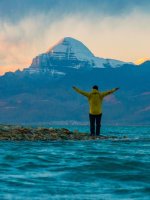
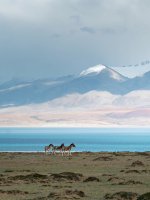
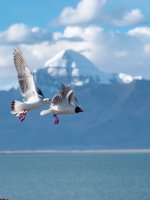
Origin of the Indus River - Kailash Mountain and Mansarovar Lake
Follow along with the video below to see how to install our site as a web app on your home screen.
Note: This feature may not be available in some browsers.
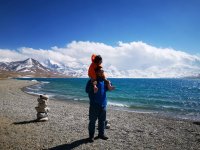
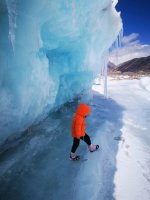
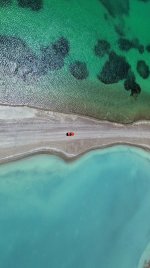
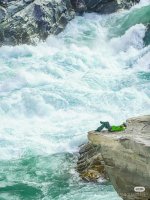
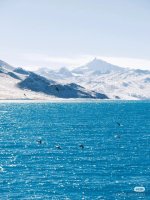
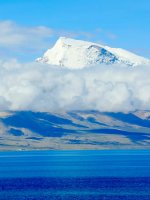

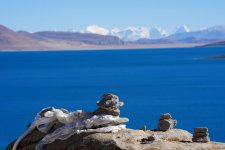
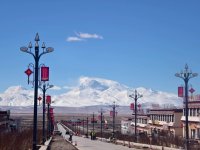
 Mount Kailash (Gang Rinpoche) Photo/HTN
 www.phayul.com
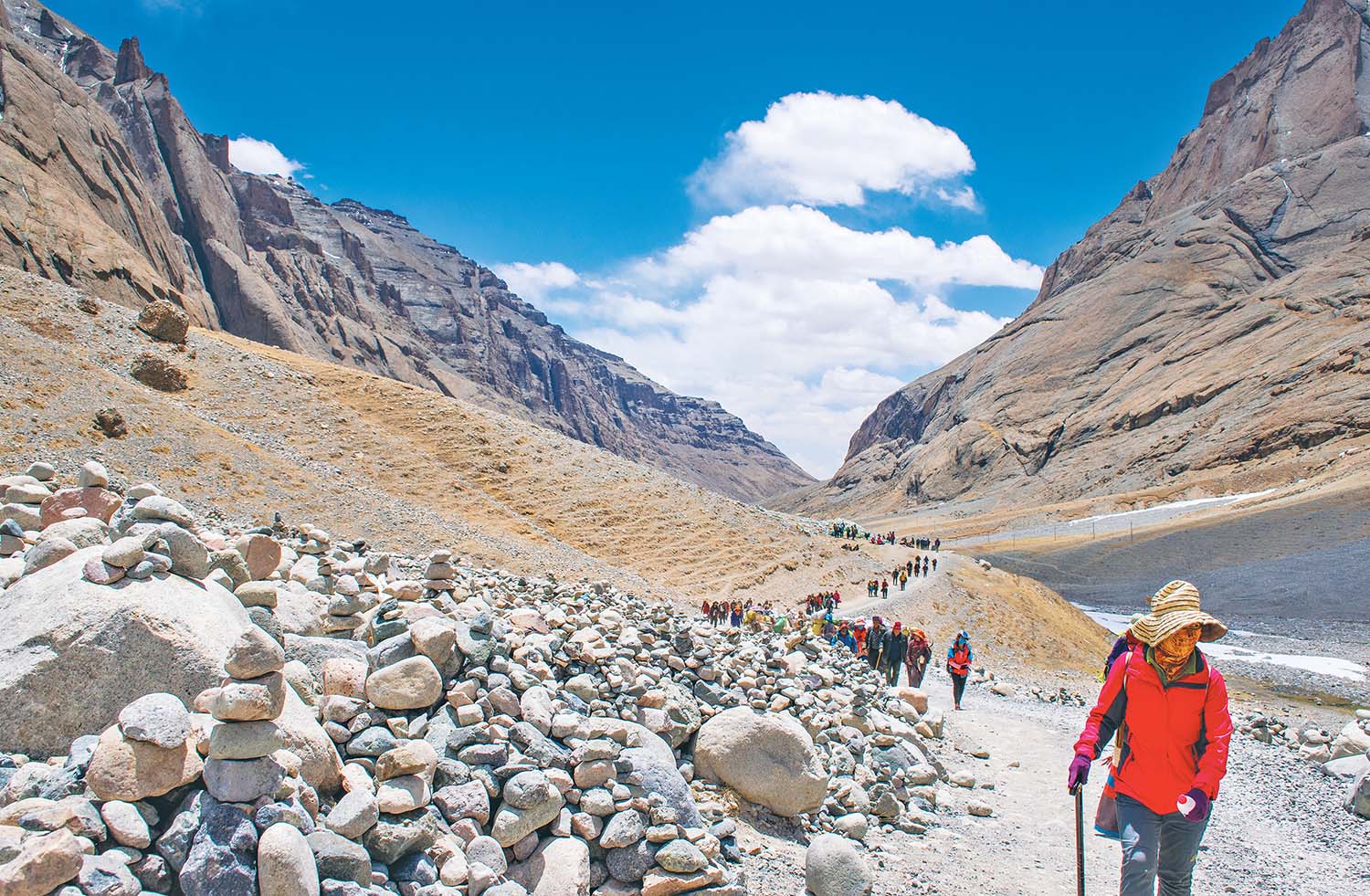
 kathmandupost.com
The Indians should be barred from pilgrimaging to the holy pristine mountains, rivers, lakes and sites in Xizang/Tibet. They are gong to pollute the environment there. Worse still, giving frequent free passes for the Indians to Tibet, it's going to reinforce their ludicrous claim that Tibet is their BS holy land. Chinese gov is making a foolish mistake here.China caps Indian pilgrims to Kailash via Nepal at 24,000. Tour operators expect more visitors
Demand surges during the auspicious Chinese Year of the Horse as Nepali operators seek an additional 15,000 permits.
May 28, 2026
Nepali tourism entrepreneurs say Beijing has fixed a quota of 24,000 Indian pilgrims allowed to travel to Kailash Mansarovar in Tibet via Nepal this season, even as demand has already crossed 40,000.
Last year, the quota for Indian pilgrims was 20,000.
Tour operators also estimate that the number of foreign passport holders joining the pilgrimage could reach 5,000 this year. The Kailash Mansarovar yatra season typically runs from mid-May to September.
“Inquiries are growing rapidly. We have requested the Chinese authorities to allow an additional quota of 15,000, and they appear positive,” said Basu Adhikari, managing director of Touch Kailash Travel and Treks.
According to Adhikari, the surge in demand is largely driven by the Chinese Year of the Horse, which began on February 17, 2026. In Tibetan astrology and religious tradition, the Horse Year is considered highly auspicious for the pilgrimage. Devotees believe that completing one kora—the 52-kilometre circumambulation around Mount Kailash—during the Horse Year brings spiritual merit equivalent to completing 12 or 13 koras in an ordinary year.
The three-day trek around Mount Kailash, known as the Kailash Kora or parikrama, is physically demanding and takes pilgrims through high-altitude terrain in Tibet.
The pilgrimage resumed for Indian citizens last year after Beijing and New Delhi agreed to restore the yatra following a five-year suspension linked to diplomatic tensions.
Although India facilitates the Kailash Mansarovar yatra through the disputed Lipulekh Pass and the Nathu La Pass in Sikkim, the Indian government caps the annual pilgrimage at 1,000 people—500 through each route.
As a result, most Indian pilgrims prefer travelling privately through Nepal.
There are currently four routes to Kailash through Nepal: Tatopani, Rasuwagadhi, Hilsa and the Kathmandu-Lhasa air route. Tatopani remains closed.
Before the 2015 earthquake, most Indian pilgrims used the Tatopani border crossing. After its closure, traffic shifted to the Hilsa route in Humla, significantly boosting economic activity in the remote Karnali region.
“This route has benefited the entire tourism sector here,” said Bijay Lama, a hotelier in Simkot. “We are preparing to welcome guests again with improved food and accommodation facilities.” There are currently around seven hotels in Hilsa and fifteen in Simkot, along with dozens of smaller lodges catering mainly to Indian pilgrims.
Business leaders say the influx has generated jobs and expanded markets for local produce.
“People are working as porters, guides and hotel staff. Local products such as apples, walnuts, beans and buckwheat now have a market, and farmers are increasingly shifting towards commercial vegetable farming,” said Ram Bahadur Bhandari, chair of the Humla Chamber of Commerce and Industry.
According to Adhikari, most Indian pilgrims currently travel through the Rasuwagadhi-Kerung route.
Chinese authorities briefly closed the crossing for three days recently, but departures have resumed.
More than 1,200 Indian pilgrims are scheduled to leave through the route between Thursday and Saturday under a 10-day itinerary.
Operators say rising fuel and food prices have made pilgrimage packages more expensive this year.
China caps Indian pilgrims to Kailash via Nepal at 24,000. Tour operators expect more visitors
Demand surges during the auspicious Chinese Year of the Horse as Nepali operators seek an additional 15,000 permits.
Why does a Chinese mountain and river have an Indian nameThe Indians should be barred from pilgrimaging to the holy pristine mountains, rivers, lakes and sites in Xizang/Tibet. They are gong to pollute the environment there. Worse still, giving frequent free passes for the Indians to Tibet, it's going to reinforce their ludicrous claim that Tibet is their holy land. Chinese gov is making a foolish mistake here.

That's reported in English in Nepal if not mistaken, dumb. You Indians want to call whatever suit your BS names. They are meaningless to Chinese and don't validate Indian BS claim, lol.Why does a Chinese mountain and river have an Indian name
Why 中国 has an English name called China?Why does a Chinese mountain and river have an Indian name




We use essential cookies to make this site work, and optional cookies to enhance your experience.

