Navigation
Install the app
How to install the app on iOS
Follow along with the video below to see how to install our site as a web app on your home screen.
Note: This feature may not be available in some browsers.
More options
Style variation
You are using an out of date browser. It may not display this or other websites correctly.
You should upgrade or use an alternative browser.
You should upgrade or use an alternative browser.
Wildlife in Pakistan
- Thread starter ghazi52
- Start date
More options
Who Replied?


ghazi52
THINK TANK: CONSULTANT
- Thread starter
- #169
International Snow Leopard Day: Renewed resolve to protect Pakistan's 155 endangered mountain cats
National survey finds most in G-B, Chitral, northern K-P
Web Desk
October 24, 2025
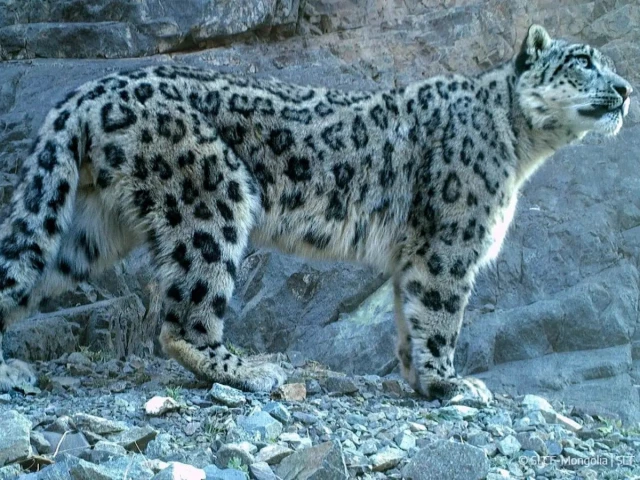
Photo: Snow Leopard Trust
As the world marked International Day of the Snow Leopard on Thursday, Pakistan reaffirmed Pakistan’s commitment to protecting the endangered snow leopard and the fragile high-altitude ecosystems that sustain it.
“Together with mountain communities, scientists, and conservation partners, Pakistan is committed to ensuring that the snow leopard continues to thrive as a symbol of resilience and ecological balance in our high mountains,” said Ministry of Climate Change and Environmental Coordination Spokesperson Saleem Shaikh, underscoring the government's resolve to safeguard the species and its mountainous habitat in collaboration with all stakeholders.
Globally, the snow leopard population is estimated at between 3,500 and 7,000 individuals across 12 countries in Central and South Asia, including Afghanistan, Bhutan, China, India, Kazakhstan, Kyrgyzstan, Mongolia, Nepal, Pakistan, Russia, Tajikistan and Uzbekistan. Given the species’ transboundary range, regional cooperation remains vital for its long-term survival, particularly through data-sharing, joint research, and coordinated action to curb poaching and other human-induced threats.
Observed annually on October 23, the theme for International Snow Leopard Day this year is, "Safeguarding Snow Leopard Habitats for Future Generations," to raise awareness about the endangered species. It is an opportunity for governments and conservationists to galvanise local communities into collective action for Snow Leopards' protection.
With an estimated population of 155 to 167 Snow Leopards as per the last national survey, Pakistan is an active member of the Global Snow Leopard and Ecosystem Protection Programme (GSLEP), under which all 12 range countries are united in efforts to secure Snow Leopard habitats and promote sustainable development in the high mountains of Asia.
Here, Snow Leopards are spread out over 80,000 square kilometres across the Hindu Kush, Pamir, Karakoram, and the Himalayan mountain ranges in Gilgit-Baltistan and Khyber-Pakhtunkhwa. Found mostly in Chitral, northern K-P, and G-B, they face increasinging threats by both climate change and human activities.
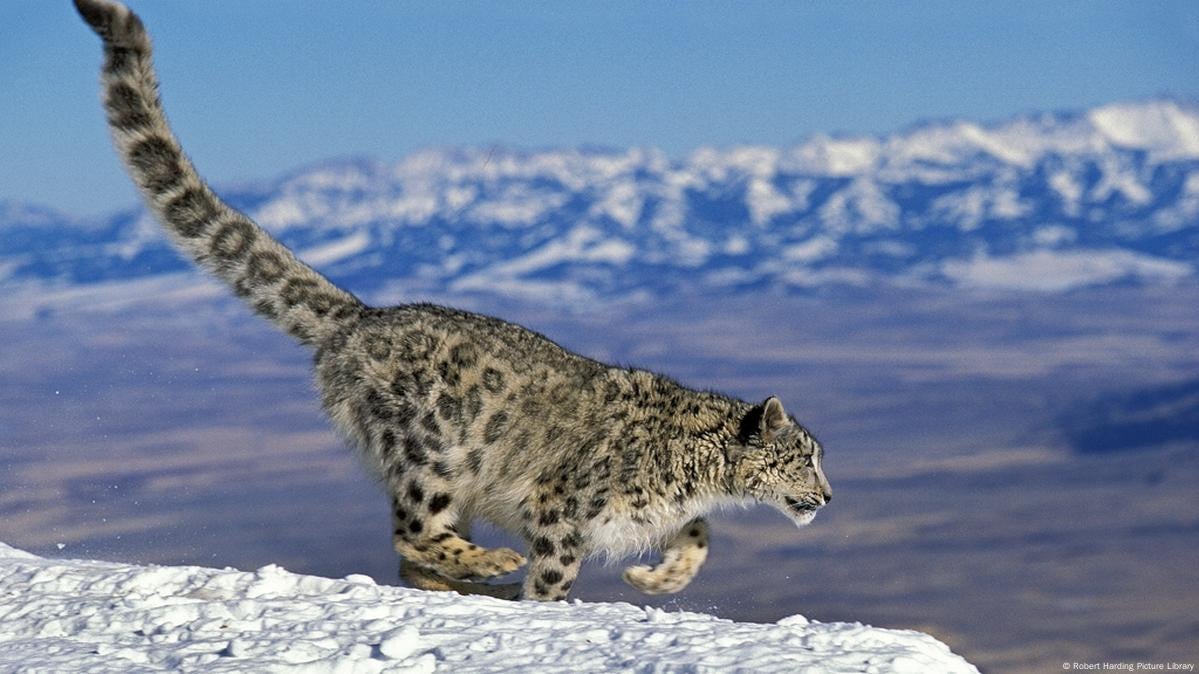
The recent survey by the Snow Leopard Trust and the Snow Leopard Foundation Pakistan establishesd the first reliable population baseline for the elusive mountain cat, with estimates ranging from 155 to 167, along the country's alpine terrain.
From 2010 to 2023 wildlife teams and scientists deployed 828 motion-sensor cameras across roughly 39 percent of the snow leopard’s range in northern Pakistan. The cameras, placed in remote valleys, steep ridges, and extreme altitudes, where Snow Leopards thrive, yielded over 4,700 images.
The images were collected from 65 locations and identified 53 individuals. Using spatial capture–recapture modelling, the conservationist teams estimated a population of about 155 individuals, averaging 0.16 animals per 100 square kilometers.
Simultaneously, from 2017 to 2023 the team collected more than 1,000 suspected Snow Leopard scats along high-altitude transects. DNA testing confirmed 235 of these belonged to Snow Leopards, and an SNP-genetic panel revealed 56 unique individuals. That genetic dataset suggested a population estimate of 167 animals, with a 95% confidence range between 128 and 220.
That both camera-based and genetic methods, entirely independent and using different data, produced similar estimates strengthens confidence in the findings.
ghazi52
THINK TANK: CONSULTANT
- Thread starter
- #170
Pakistan holds a unique place for the species. Its northern mountain ranges, the Hindu Kush, Pamir, Karakoram, and Himalayas, converge and form one of the most challenging habitats on Earth.
Until recently, estimates for the country’s snow leopard population ranged broadly, from 200 to 420, mostly guesswork due to the animal’s elusive habits and rugged terrain.
Even in stronghold areas such as the Karakoram–Pamir region, densities remain low and the animals face mounting risks: glacier melt, changing snow patterns, habitat fragmentation, increasing human-livestock conflicts, and declining prey populations.
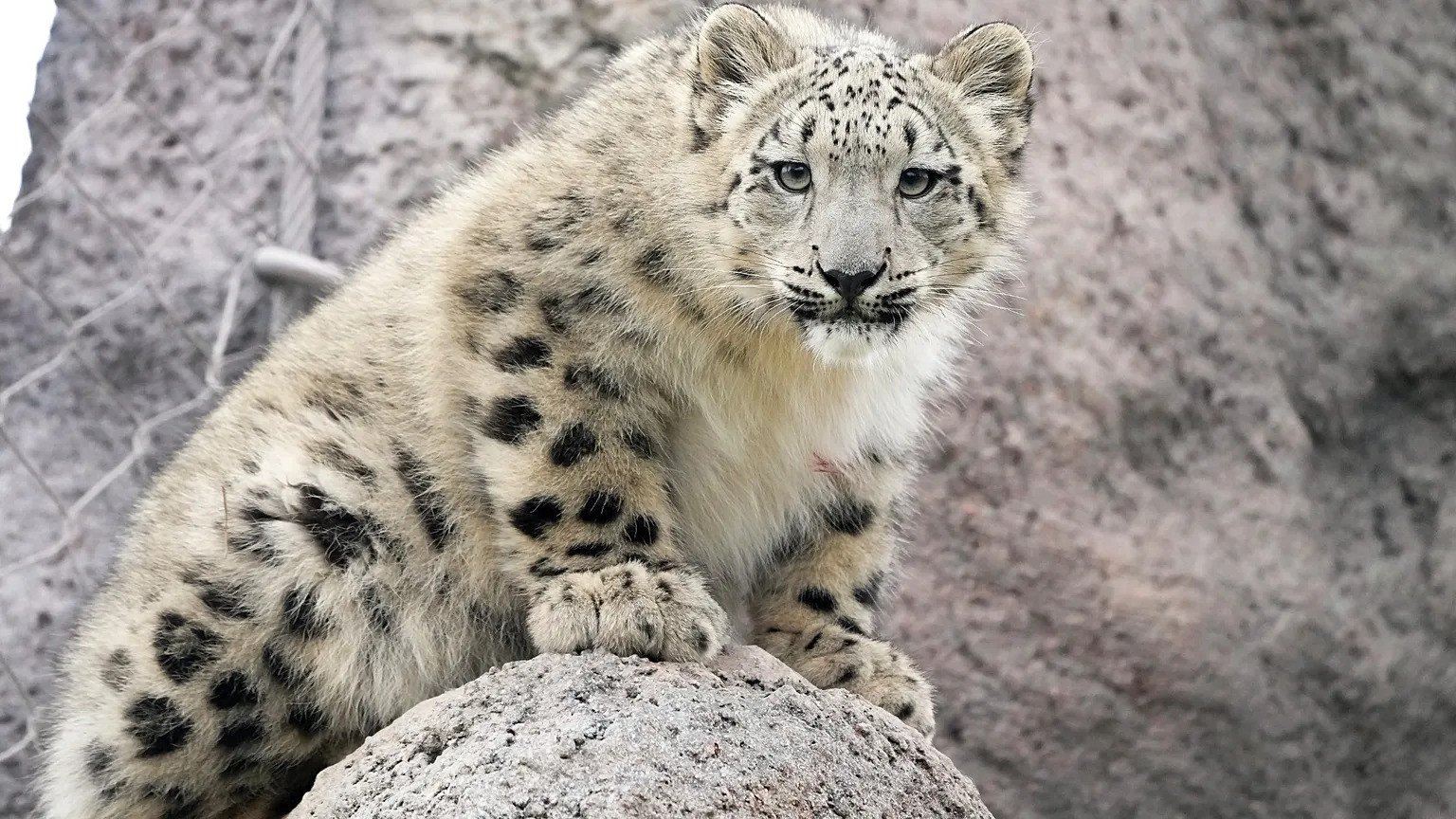
“Warming temperatures, retreating glaciers, and shifting vegetation patterns are steadily shrinking the species’ alpine habitat," said Shaikh. Apart from that, "overgrazing, depletion of prey species such as ibex and markhor, illegal hunting, and retaliatory killings continue to undermine conservation efforts,” he added.
Expanding infrastructure, mining, and unregulated tourism in fragile mountain ecosystems have further fragmented the Snow Leopard’s range, according to Shaikh. “Climate-induced habitat shifts are now forcing these cats closer to human settlements, increasing the risk of conflict and poaching.”
The estimated Snow Leopard population figures, based on advanced camera-trap monitoring and field data, provide a robust baseline to develop targeted conservation plans, according to Dr Nawaz, who led Pakistan's research team when conducting the survey in collaboration with the Snow Leopard Trust.
“Ensuring effective enforcement of wildlife protection laws, responsible and environmentally sustainable tourism, and climate-resilient development in high-altitude regions must remain a national priority,” said Shaikh.
Similarly, Minister of State for Climate Change and Environmental Coordination Dr Shezra Mansab Kharal noted that protecting the snow leopard means protecting the mountains themselves and the people, wildlife, and water resources that depend on them.
Until recently, estimates for the country’s snow leopard population ranged broadly, from 200 to 420, mostly guesswork due to the animal’s elusive habits and rugged terrain.
Even in stronghold areas such as the Karakoram–Pamir region, densities remain low and the animals face mounting risks: glacier melt, changing snow patterns, habitat fragmentation, increasing human-livestock conflicts, and declining prey populations.
“Warming temperatures, retreating glaciers, and shifting vegetation patterns are steadily shrinking the species’ alpine habitat," said Shaikh. Apart from that, "overgrazing, depletion of prey species such as ibex and markhor, illegal hunting, and retaliatory killings continue to undermine conservation efforts,” he added.
Expanding infrastructure, mining, and unregulated tourism in fragile mountain ecosystems have further fragmented the Snow Leopard’s range, according to Shaikh. “Climate-induced habitat shifts are now forcing these cats closer to human settlements, increasing the risk of conflict and poaching.”
The estimated Snow Leopard population figures, based on advanced camera-trap monitoring and field data, provide a robust baseline to develop targeted conservation plans, according to Dr Nawaz, who led Pakistan's research team when conducting the survey in collaboration with the Snow Leopard Trust.
“Ensuring effective enforcement of wildlife protection laws, responsible and environmentally sustainable tourism, and climate-resilient development in high-altitude regions must remain a national priority,” said Shaikh.
Similarly, Minister of State for Climate Change and Environmental Coordination Dr Shezra Mansab Kharal noted that protecting the snow leopard means protecting the mountains themselves and the people, wildlife, and water resources that depend on them.
ghazi52
THINK TANK: CONSULTANT
- Thread starter
- #171
Key conservation actions ahead include strengthening protected habitats, engaging local communities, and fostering regional cooperation across the high mountains.
Field interventions are not enough, however, according to the climate ministry spokesperson. “Awareness and advocacy campaigns in mountain communities can reduce retaliatory killings and promote coexistence through livestock insurance schemes, predator-proof corrals, and community-based ecotourism.”
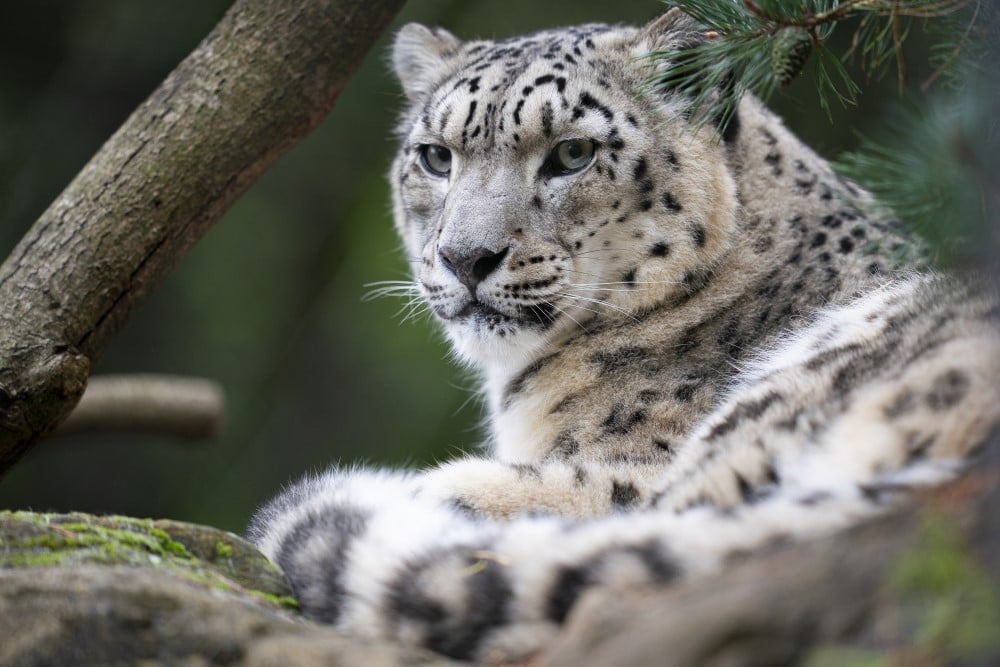
The climate ministry has carried out awareness campaigns aimed at youth engagement, sustainable tourism, and anti-poaching.
Outlining other ongoing initiatives, Shaikh said that the climate ministry is implementing several projects such as the Snow Leopard and Ecosystem Protection Programme in line with GSLEP commitments. Besides, the ministry is strengthening community-based conservation in G-B and Chitral in partnership with local and international organisations.
These projects provide compensation and alternative livelihoods for herders to tackle the human threats to Snow Leopards and support their longterm survival.
Field interventions are not enough, however, according to the climate ministry spokesperson. “Awareness and advocacy campaigns in mountain communities can reduce retaliatory killings and promote coexistence through livestock insurance schemes, predator-proof corrals, and community-based ecotourism.”
The climate ministry has carried out awareness campaigns aimed at youth engagement, sustainable tourism, and anti-poaching.
Outlining other ongoing initiatives, Shaikh said that the climate ministry is implementing several projects such as the Snow Leopard and Ecosystem Protection Programme in line with GSLEP commitments. Besides, the ministry is strengthening community-based conservation in G-B and Chitral in partnership with local and international organisations.
These projects provide compensation and alternative livelihoods for herders to tackle the human threats to Snow Leopards and support their longterm survival.
ghazi52
THINK TANK: CONSULTANT
- Thread starter
- #172
“These programmes have already begun to yield positive outcomes by reducing human-wildlife conflict and improving monitoring capacity in key habitats,” claimed Shaikh, insisting that policy changes and public awareness must go hand in hand. “Conservation success depends on both effective governance and community ownership.”
With fewer than 200 individuals estimated nationwide, Pakistan’s snow leopard population is alarmingly small, but for the first time, it is clearly understood, laying the groundwork for long-term protection and monitoring.
With fewer than 200 individuals estimated nationwide, Pakistan’s snow leopard population is alarmingly small, but for the first time, it is clearly understood, laying the groundwork for long-term protection and monitoring.
ghazi52
THINK TANK: CONSULTANT
- Thread starter
- #174
Preparations underway to transfer brown bear Rano to GB
Imtiaz Ali
October 29, 2025
An image of female brown bear Rano. — via Imtiaz Ali
Authorities have started preparations to transfer Rano, a bear currently residing in Karachi Zoo, to Gilgit-Baltistan on the Sindh High Court’s (SHC) directives.
Earlier this month, SHC ordered the Karachi Metropolitan Corporation (KMC) to relocate the animal from Karachi Zoological Gardens to the Bear Sanctuary managed by the Islamabad Wildlife Management Board within two days, marking an end to the years-long plight of the brown bear.
Today, Chief Secretary Sindh Asif Hyder Shah chaired a high-level meeting at the Sindh Secretariat to review the arrangements for Rano’s relocation, a statement by the secretary’s spokesperson Farhat Imtiaz Janwari said.
The meeting was attended by the Secretary Forest and Wildlife, Municipal Commissioner KMC, Conservator Sindh Wildlife Department, representatives from the Islamabad Wildlife Management Board, and other wildlife experts.
The participants briefed the chief secretary on the progress made so far regarding the bear’s transfer, the statement added. The Sindh Wildlife Department informed the meeting that a specially designed iron cage meeting all safety standards has been prepared for Rano’s relocation.
“It was further informed that wildlife experts and trainers are currently engaged in daily training sessions to help Rano adjust comfortably to the new cage.”
Dr Aamir and Mrs Abida Raees from Karachi Zoo, wildlife rangers Abbas, Anees, and Sanna Raja from the Islamabad Wildlife Management Board, and wildlife trainer Abid from the Sindh Wildlife Department are jointly supervising Rano’s behavioural training, per the statement.
According to experts, Rano has shown a positive response to the training. She has developed a friendly bond with wildlife ranger Sanna Raja and eagerly awaits her daily visits near the cage. Rano has also begun eating honey directly from Sanna’s hand, indicating strong trust and progress in her behavioral adaptation.
Shah directed that Rano must not be forcibly captured or sedated during the transfer process. He emphasised that the bear should voluntarily enter the transport cage through gradual and positive reinforcement training methods.
The chief secretary also instructed that the entire transfer process be recorded on video for documentation and transparency. He also directed the Sindh Wildlife Department to ensure that all arrangements in Islamabad are completed before Rano’s transfer.
As per the Sindh High Court’s order, Rano will first be shifted to Islamabad and then to her final sanctuary destination in Gilgit-Baltistan.
He further directed the Wildlife Department to forward a case to the Sindh Cabinet proposing a complete ban on the import of exotic (non-native) animals.
ghazi52
THINK TANK: CONSULTANT
- Thread starter
- #175
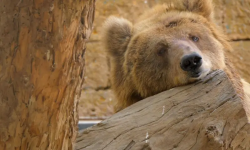
An image of female brown bear Rano. — via Imtiaz Ali
Languishing in a barren cage, Rano, a Himalayan brown bear, was reportedly brought to Karachi Zoo in 2017 along with an Asiatic black bear who died in 2020.
Earlier this month, the bear was undergoing treatment for a head injury, with a zoo official saying that she had been treated earlier for the same wound, which she probably suffered after hitting the metal bars of her cage.
In January, the KMC, on the mayor’s directives, had notified a three-member committee to assess Rano’s condition, in a bid to address concerns regarding her well-being.
The committee, in its report, recommended that “the species may immediately be transferred to the bear sanctuary at Balkasar“ — the only bear-specific sanctuary in Pakistan — and suggested that Rano’s DNA testing be carried out to identify its exact species.
While the committee expressed satisfaction over the bear’s diet, physical health, and finding no wounds/injuries on her body, it observed “unusual behaviour” of the brown bear, suggesting she was “under stress”.
The team also noticed “heavy noise” during the visit, and said it seemed to be “beyond the permissible decibels”.
Animal rights activists say that Rano is a Himalayan brown bear — a critically endangered species — and not a Syrian species as claimed by zoo officials.
ghazi52
THINK TANK: CONSULTANT
- Thread starter
- #176
Eight arrested for illegal hunting of rare wildlife across Punjab
Punjab Wildlife Department fines offenders Rs2m
Asif Mehmood
November 10, 2025

The Punjab Wildlife Department has arrested eight individuals involved in the illegal hunting of rare and protected species, including the Indian pangolin, houbara bustard, partridge, and wild boar. Six offenders were fined a total of Rs. 2.2 million, while First Information Reports (FIRs) were registered against two others for further legal proceedings.
According to officials, the recovered houbara bustard has been transferred to the Rahim Yar Khan Wildlife Park for rehabilitation.
A team led by Deputy Chief Wildlife Ranger Bahawalpur, Syed Ali Usman Bukhari, carried out an operation in the Cholistan Public Wildlife Reserve, where two individuals were caught red-handed while hunting the houbara bustard. A live bird was recovered from their possession, and a criminal case was registered against them at the local police station. The rescued bird was safely relocated to the Rahim Yar Khan Wildlife Park until its full recovery.
Meanwhile, Assistant Chief Wildlife Ranger Chakwal, Muhammad Imran, and his team traced and apprehended three men after a video showing illegal wild boar hunting with dogs went viral on social media. The offenders were fined Rs. 100,000 for the violation.
In another operation, Chakwal Wildlife Rangers arrested three hunters involved in the illegal capture of partridges and pangolins, imposing a fine of Rs. 120,000. All related cases were subsequently disposed of according to departmental procedures.
Officials from the Wildlife Department reaffirmed their commitment to strict enforcement of wildlife protection laws and urged the public to report any instances of illegal hunting or animal trafficking.
ghazi52
THINK TANK: CONSULTANT
- Thread starter
- #177
Punjab government rolls out wildlife hazard control rules 2025
Fines for serious violations increased from Rs500 to Rs10,000
Asif Mehmood
October 31, 2025
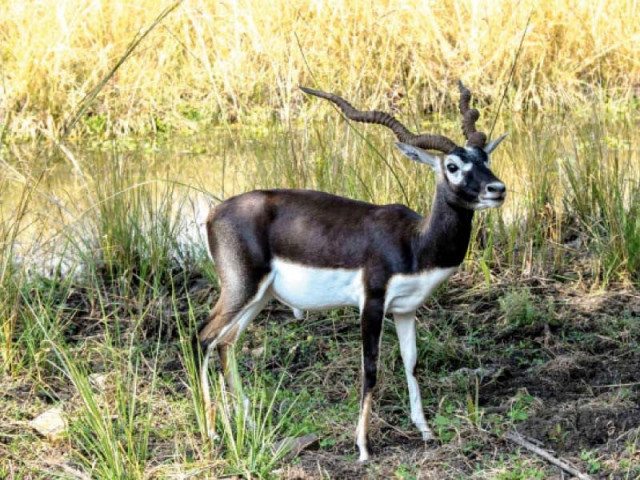
Wildlife. PHOTO: APP
The Punjab government has taken two major steps to protect wildlife and safeguard human populations from potential dangers posed by wild animals. The measures include the implementation of the “Punjab Wildlife Hazard Control Rules 2025” and comprehensive amendments to existing wildlife protection laws, aiming to modernise environmental and biodiversity management in the province.
According to an official statement, the new rules are designed to enable scientific, systematic, and immediate action in cases of conflict or danger between humans and wild animals. If a wild animal poses a threat to humans or other living beings, or is incapable of surviving due to disease or injury, the Chief Wildlife Ranger may order action based on field reports, scientific evidence, and public complaints. In emergencies, the Punjab Rangers can, after consulting relevant experts, decide to capture, relocate, or remove the animal.
The rules specify that all actions must be taken in consultation with the Punjab Captive Wildlife Management Committee and veterinary experts to ensure they follow humane principles and scientific standards. A comprehensive strategy has also been developed to prevent future risks. Under this framework, certain species may be classified as harmful or pests, special hunting permits may be issued for limited periods in some areas, and sensitive locations may be designated as “Wildlife Hazard Zones” where feeding or keeping animals is prohibited.
In addition, the Punjab government has amended the province’s wildlife protection laws, significantly increasing financial penalties for wildlife-related offences. The hunting or possession of rare and predatory birds, including falcons, has been completely prohibited.
Under the amended Wildlife Act, the compensation for the illegal hunting or capture of certain bird species listed in the First Schedule has been set at Rs10,000 per animal. For species such as falcons, hawks, laggers, and owls, the compensation amount is now Rs100,000. Similarly, the illegal hunting or capture of mammals included in the Second and Third Schedules will incur a departmental compensation of Rs100,000, while for species such as jackals, boars, and wild pigs, the fine will be Rs25,000.
The penalties for weapons and equipment used in illegal hunting have also been revised. The fine for a shotgun is Rs25,000, for a foreign-made shotgun Rs50,000, for a local rifle Rs50,000, for a foreign-made rifle Rs100,000, and for a PCP airgun Rs50,000. The use of a jeep or vehicle in illegal hunting will result in a fine of Rs500,000, while the fine for a motorcycle is Rs100,000, for a bicycle Rs25,000, for a boat Rs25,000, and for using tape recorders or other electronic devices Rs25,000.
ghazi52
THINK TANK: CONSULTANT
- Thread starter
- #178
Punjab Wildlife Department arrests 18 in crackdown on illegal hunting, trade
More than Rs600,000 in fines were imposed on violators, while legal proceedings against others underwayAsif Mehmood
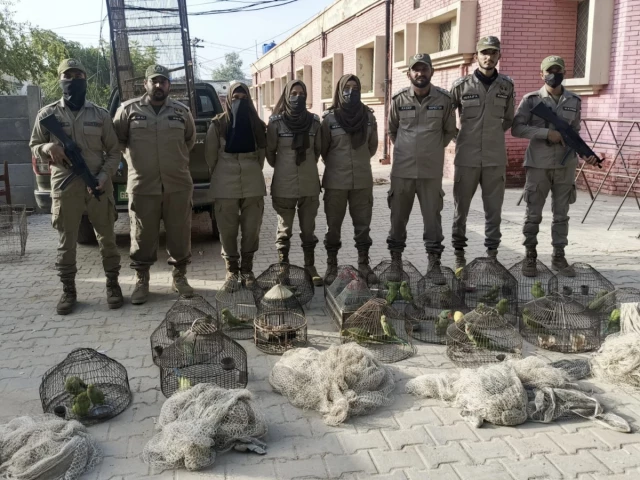
Photo: Express
The Punjab Wildlife Department has intensified its province-wide crackdown on the illegal hunting, trade, and smuggling of protected species, arresting 18 suspects in multiple successful operations across Punjab in recent days.
According to a department spokesperson, teams conducted raids in Okara, Jhang, Khanewal, Multan, Sargodha, DG Khan, Rajanpur, and Attock districts. The operations led to the recovery of 80 quails and 16 illegal netting gears used for trapping birds. All rescued birds were later released back into their natural habitat. More than Rs600,000 in fines were imposed on violators, while legal proceedings against others are underway.
In Sargodha, Deputy Chief Wildlife Ranger Naeem Tahir’s team apprehended three falcon poachers and recovered nets, pigeons, and two falcons. In the D.G. Khan region, under the supervision of Deputy Chief Ranger Sakhi Muhammad Joiya, wildlife teams foiled an attempt to smuggle a large consignment of wild quails to Khyber Pakhtunkhwa. The seized 80 quails were released, and nine offenders were charged fines totaling Rs195,000.
Users who are viewing this thread
Total: 1 (members: 0, guests: 1)
Pakistan Defence Latest
-

-

-

-
KP govt backs out of counterterrorism commitments during talks: Naqvi (4 Viewers)
- Latest: SteppeWolff
-

Country Watch Latest
-
 Iran - Israel/US War: Israel-US declare war on Iran, Iran responds (109 Viewers)
- Latest: Persian Gulf
-
-
 India Has Lost Air Superiority to Pakistan, No Jets Left to Fight (10 Viewers)
- Latest: NGAD IS THE BEST
-

-
Latest Posts
-
Iran - Israel/US War: Israel-US declare war on Iran, Iran responds (109 Viewers)
- Latest: Persian Gulf
-
-
H-1B visas must end’: Wife of US citizen shares plight of landing IT jobs (6 Viewers)
- Latest: vasanthm
-