Wildlife in Pakistan

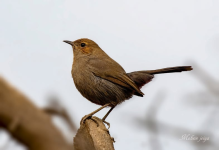
Indian Robin


1740519206538.png
 

Mohsin RazaSHOOT & SHARE

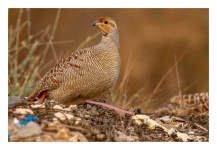
Grey francolin

No photo description available.


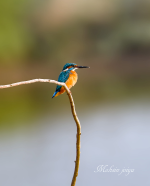
Common kingfisher

1740519547440.png
 
Mohsin Raza

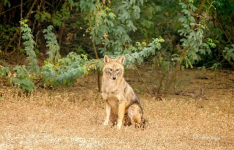
Golden jackal

1740519699711.png
 
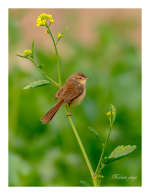
Rufous-fronted prinia
1740519882727.png
 
The Grey francolin (Francolinus pondicerianus) also known as" Bhora Teetar"

1740520383098.png
 
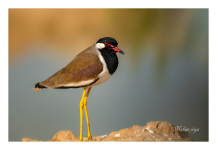
red-wattled lapwing
1740520444273.png
 
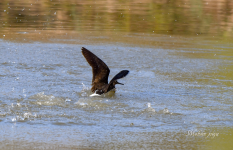
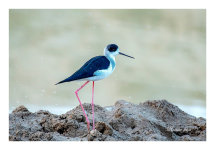
Black winged stilt

1740520513318.png
 
Ghost of the Mountains. Karakoram G-B, Pakistan.

Image


Image


Image
 

WWF-Pakistan opposes move to export snow leopards to Russia


Jamal Shahid
May 18, 2025

Snow leopards are listed as threatened species on the IUCN Red List (2017). — File photo


Snow leopards are listed as threatened species on the IUCN Red List (2017).

WWF-Pakistan on Saturday demanded that the proposed export of snow leopards from Pakistan to Russia be immediately cancelled and reaffirmed Pakistan’s commitment to the conservation of its iconic wildlife species.

The organisation called for strengthening the Naltar Rescue and Rehabilitation Centre to function as a dedicated facility for wildlife rescue, rehabilitation, and veterinary care.

“A move to transfer the snow leopards from Gilgit-Baltistan to Moscow not only contradicts national and international conservation commitments but also risks setting a highly detrimental precedent for future transfer of threatened and iconic wildlife species from Pakistan,” WWF-Pakistan said in a letter to the Ministry of Climate Change and Environmental Coordination on the proposed transfer of two snow leopards, currently housed at the Naltar Rescue and Rehabilitation Centre, to the Moscow Zoo, Russia.

According to WWF-Pakistan, the snow leopard is listed as a threatened (vulnerable) species on the IUCN Red List (2017), and it receives the highest level of legal protection under Pakistan’s national and provincial wildlife legislation.

Body says no ‘compelling conservation rationale’ for transferring these animals

Additionally, the species is included in Appendix I of the Convention on International Trade in Endangered Species of Wild Fauna and Flora (CITES), which strictly prohibits international trade except under exceptional, non-commercial circumstances.

It further said there was no compelling conservation rationale for transferring these snow leopards to Russia, a country that already hosts a significantly larger wild population of the species.

WWF-Pakistan recommended that instead of exporting the country’s unique natural heritage, Pakistan should demonstrate global leadership by reinforcing its commitment to conservation and the protection of its remaining wild snow leopard populations.

It also highlighted the risk that once the snow leopards were transferred, it would be difficult to monitor or ensure the well-being of these animals under Russian jurisdiction.

Remarking on the proposed move, Hammad Naqi Khan, WWF-Pakistan director general, said that approval of this export would undermine decades of conservation progress and significantly damage Pakistan’s standing in the global conservation community.

This moment called for reaffirming stewardship of national biodiversity and strengthening the institutions responsible for its protection, rather than yielding to external pressures that compromised long-term conservation goals.

“We need to uphold Pakistan’s obligations under international agreements such as CITES and the Convention on Migratory Species (CMS) by prioritising the protection of vulnerable and critically endangered species within national borders,” Mr Khan added.

WWF-Pakistan said it strongly recommended steps to strengthen the Naltar Rescue and Rehabilitation Centre to function as a dedicated facility for wildlife rescue, rehabilitation, and veterinary care, equipped to manage future confiscations and care cases.

It also asked for enhancing the capacity of the Gilgit-Baltistan Parks and Wildlife Department through targeted technical training, adequate financial support, and provision of essential operational equipment.

Published in Dawn, May 18th, 2025
 
To view this content we will need your consent to set third party cookies.
For more detailed information, see our cookies page.
 
To view this content we will need your consent to set third party cookies.
For more detailed information, see our cookies page.
 

Sindh sees 50pc drop in influx of migratory birds due to climate change


Anadolu Agency
May 30, 2025

The province of Sindh, a traditional favourite for migratory birds, saw the most drastic decline in the number of migratory birds due to climate change, with a staggering drop of over 50 per cent in two years.

The country’s once-thriving wetlands, long a sanctuary for millions of migratory birds fleeing Siberia’s brutal winters, are witnessing a disturbing decline in avian visitors.

Experts warn that a mix of prolonged drought, receding water levels, and growing habitat degradation is driving away these seasonal guests — some possibly for good.

According to the Sindh Wildlife Department’s 2024-25 waterfowl count, the number of migratory birds fell sharply from 1.2 million in 2023 to 603,900 in 2024 and just 545,000 this year, a staggering drop of over 50pc in two years.


In 2023, the region experienced an exceptional influx of birds, buoyed by the lingering effects of the catastrophic 2022 floods that, while devastating for communities, temporarily revived Pakistan’s lakes, streams, and lagoons.

The excessive rainfall had replenished many wetlands, making them ideal resting spots for birds making the 4,500-kilometre journey from Siberia to India via the Indus flyway, with stopovers at various lakes and water reservoirs in Pakistan.

However, this year tells a different story.

“Sindh has long been a refuge for migratory birds because of its unique biodiversity and its many lakes, lagoons and other waterways,” Mumtaz Soomro, an official from the Sindh Wildlife Department, told Anadolu Agency.

“But those numbers have seen a gradual decline since 2023 due to receding water levels and droughts.”

Soomro explained that the latest survey — covering 40pc of Sindh’s territory — found notable shortages at key bird habitats, including Manchar, Keenjhar, Hamal and Haleji lakes, Nareri lagoon, and the Rann of Kutch wildlife sanctuary.

These sites, some of which are Ramsar-certified wetlands of international importance, have been pivotal stopovers for migratory birds for decades.

According to Britannica, the Ramsar Convention is an intergovernmental treaty signed in Ramsar, Iran, in 1971 to guide national and international wetland-conservation measures.

“During the survey, our teams reported water shortages at most of the sites, including the marshy Rann of Kutch wildlife sanctuary,” he said.
 

Shadow of past flocks​

The migration is seasonal, with birds arriving by late August and departing by February. Among the over 50 recorded species were gulls, mallards, plovers, snipes, cormorants, cranes, and storks.

The highest number of birds — 112,000 — was spotted at Nareri lagoon, followed by 91,000 at Rann of Kutch.

But even these numbers are a shadow of past flocks.

Zohaib Ahmed, a Karachi-based ornithologist, said climate change is not the only factor pushing migratory birds away from Pakistan, as man-made habitat degradation, pollution, and illegal hunting also play a significant role.

“Human-induced changes and rampant human interference, often in the name of development, has exposed these fragile ecosystems of wetlands to a string of threats,” Ahmed told Anadolu.

He emphasised that if the current trends of environmental neglect persist, Pakistan could lose its status as a preferred stopover for these avian travelers.

While the situation is particularly dire in Sindh, other provinces are also feeling the effects.

In Punjab, although the latest survey is still underway, officials estimate a similar downward trend.

“The decline is not sudden. It’s gradual, and the outcome of climate change, mainly water shortages, seasonal disturbances, and lingering heat spells,” said Mudasser Hasan, deputy chief at the Wildlife Rangers Punjab.

Hasan confirmed that the health of Pakistan’s wetlands has deteriorated in recent years, largely due to climate-related shifts.

“The arrival of these birds in Pakistan is a seasonal migration, and it has understandably been disturbed because of seasonal disturbances,” he noted.

Pakistan ranks among the top 10 countries globally most vulnerable to climate change, with experts warning that erratic monsoon patterns, glacial melt, and rising temperatures are placing unprecedented pressure on natural ecosystems, including those vital to bird migration.

Despite the alarming trends, some officials argue that threats like poaching and trapping have been brought under control.

“Hunters and poachers are there but they do not pose a major threat to migratory birds. It’s climate change that really haunts them,” said Hasan, adding that provincial authorities have tightened anti-wildlife hunting laws in recent years.
 

Users who are viewing this thread

Pakistan Defence Latest

Latest Posts

Back
Top