I am posting here as there was no multimedia thread for China. Please just include inspiring stories only.
Cimu, a Tibetan girl, met a Japanese documentary maker, a meeting that changed her path.
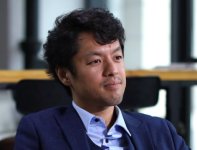
This Japanese documentary filmmaker is named
Takeuchi Ryō (竹内亮). He is one of the few Japanese people who are willing to face history and have a conscience.
He has already obtained permanent residency in mainland China.
Last year (2025), he released a documentary titled
The Nameless Child (名無しの子), about the Japanese orphans left behind in China after World War II and their descendants.
The Japanese government officially refers to these people as "
中国残留邦人" (
Japanese Remaining in China After the War).
Yes, the perpetrators left their own children behind in China, and the victims helped raise them.
The Nameless Child (名無しの子)
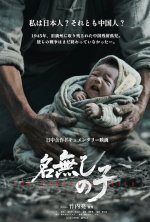 https://kinejun.jp/posts/20251021-nw-390cea
私は日本人か中国人か──中国残留孤児たちの今に迫る「名無しの子」
Am I Japanese or Chinese? — 「The Nameless Child」 Examines the Present Lives of the Orphans Left Behind in China
「再会長江」の竹内亮監督が日中共同取材チームを組み、100名以上の中国残留孤児とその家族を2年にわたって追ったドキュメンタリー「名無しの子」が、11月21日(金)より池袋シネマ・ロサほか全国で順次公開される(11月7日より開催される〈2025 中国ドキュメンタリー映画祭 In Japan〉でも上映)。ポスタービジュアルと予告編が到着した。
Director Takeuchi Ryō of The Yangtze River (《再會長江》) assembled a joint Japan-China reporting team and spent 2 years following more than 100 orphans left behind in China and their families. The resulting documentary, Children of No Name, will open in theaters nationwide in stages starting Friday, November 21, beginning with Ikebukuro Cinema Rosa and other venues. (It will also be screened at the “2025 China Documentary Film Festival in Japan,” which begins on November 7.) The poster visual and trailer have been released.
第二次世界大戦末期の満州には、日本の国策により渡ってきた約150万人の日本人が暮らしていた。ところが終戦直前、日本軍は彼らを見捨てて撤退し、戦火の中で多くの女性や高齢者が命を落とす。そこで親と離れた数千人の子どもは国籍を失い、“名無しの子”となった。それから80年、答えなき問いを抱えて生きてきた彼らは言う。
At the end of World War II, about 1.5 million Japanese people who had been sent there under Japan’s national policy were living in Manchuria. Just before the war ended, however,
the Japanese army abandoned them and withdrew, and many women and elderly people lost their lives in the fighting.
Thousands of children separated from their parents then lost their nationality and became “Children of No Name.” Eighty years later, those who have lived with unanswered questions say:
「私たちの戦争は、まだ終わっていない」
「Our war is not over yet.」
作中には、日本に戻るも社会に馴染めず自殺未遂に追い込まれた一世、居場所をつくるため準暴力団〈チャイニーズドラゴン〉を結成した二世、日中ハーフというルーツを友人にも明かせない三世などが登場。彼らのアイデンティティをめぐる物語に注目したい。
The film features the first generation, who returned to Japan but could not adapt to society and were driven to attempt suicide; the second generation, who formed a quasi-yakuza gang called “Chinese Dragon” to create a place where they belonged; and the third generation, who cannot reveal their mixed Japanese-Chinese roots even to their friends. The stories of their struggles with identity deserve attention.
Japan’s invasion caused approximately 20 million Chinese deaths, with another approximately 15 million people injured.
In comparison, the Soviet Union detained or deported 575,000 Japanese prisoners of war to Siberia for forced labor, of whom approximately 55,000 died.
◉ With assistance from the United States, China gradually repatriated approximately 3.7 million Japanese prisoners of war and civilians to Japan.
◉ Among the Japanese war criminals detained by China, 110 were sentenced to death.
◉ Another 45 war criminals were sentenced to prison terms and were all released and returned to Japan after serving their sentences.
◉ Another 1,017 war criminals, whose crimes were relatively minor and who had shown good signs of remorse, were not prosecuted and were released and sent back to Japan.
◉ China was already devastated and impoverished at the time, yet Chinese families still took in these Japanese orphans left behind and raised them as their own.
◉ Both governments on either side of the Taiwan Strait gave up their claims for state-level war reparations from Japan.
China has truly been very tolerant toward Japan.
So when Japan denies the human experimentation conducted by Unit 731, denies the forced recruitment of comfort women, questions the death toll of the Nanjing Massacre, rewrites history to downplay its crimes, and portrays its aggression as liberation, among other things... it is only natural that such actions provoke anger among the Chinese people.


