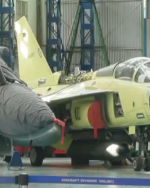
The best options available to India for countering Chinese stealth fighters are loyal-wingman systems like CATS Warrior and stealth UCAVs such as Ghatak. These platforms are also stealth and can carry both air-to-air and air-to-surface weapons.
Until AMCA enters service, these unmanned platforms can provide an additional layer of deterrence against China’s 5th-generation fighters. And who knows—if these systems become advanced enough, they could eventually outperform manned stealth fighters.
These stealth drones could also operate alongside Tejas and Super Sukhoi in manned-unmanned teaming configurations, giving the IAF a much larger and more distributed combat capability.
Another important capability against stealth fighters that is often overlooked is electro-optical detection. India needs to continue developing and integrating passive sensors, IRST/EOTS-type systems, NETRA AWACS, data links and networked sensors to improve the detection and tracking of low-observable aircraft. India should focus heavily on these capabilities while AMCA is being developed.
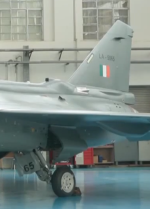
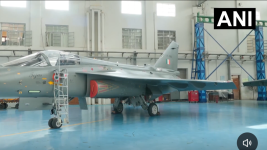
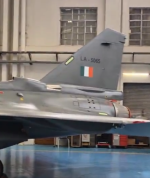
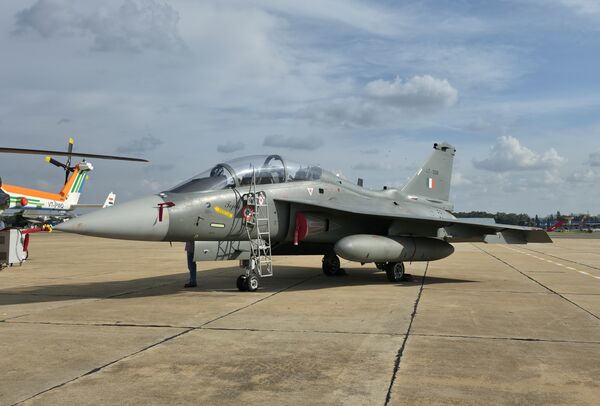
Tejas is particularly important because it uses Indian-developed avionics and is designed around integration with Indian systems, including drones, AWACS and indigenous weapons such as Astra and Brahmos. Astra is a key part of India’s air-to-air arsenal, while BrahMos provides a major long-range air-to-ground capability.
This is also why Tejas and Super Sukhoi are important parts of the ecosystem—not simply because of the aircraft themselves, but because of how well they can integrate with India’s indigenous weapons, sensors, drones and networked warfare architecture. The long-term goal should be an integrated system where Tejas, Super Sukhoi, CATS Warrior, Ghatak, AWACS, satellites and eventually AMCA operate together as a single networked combat force.