Hack-Hook
INT'L MOD

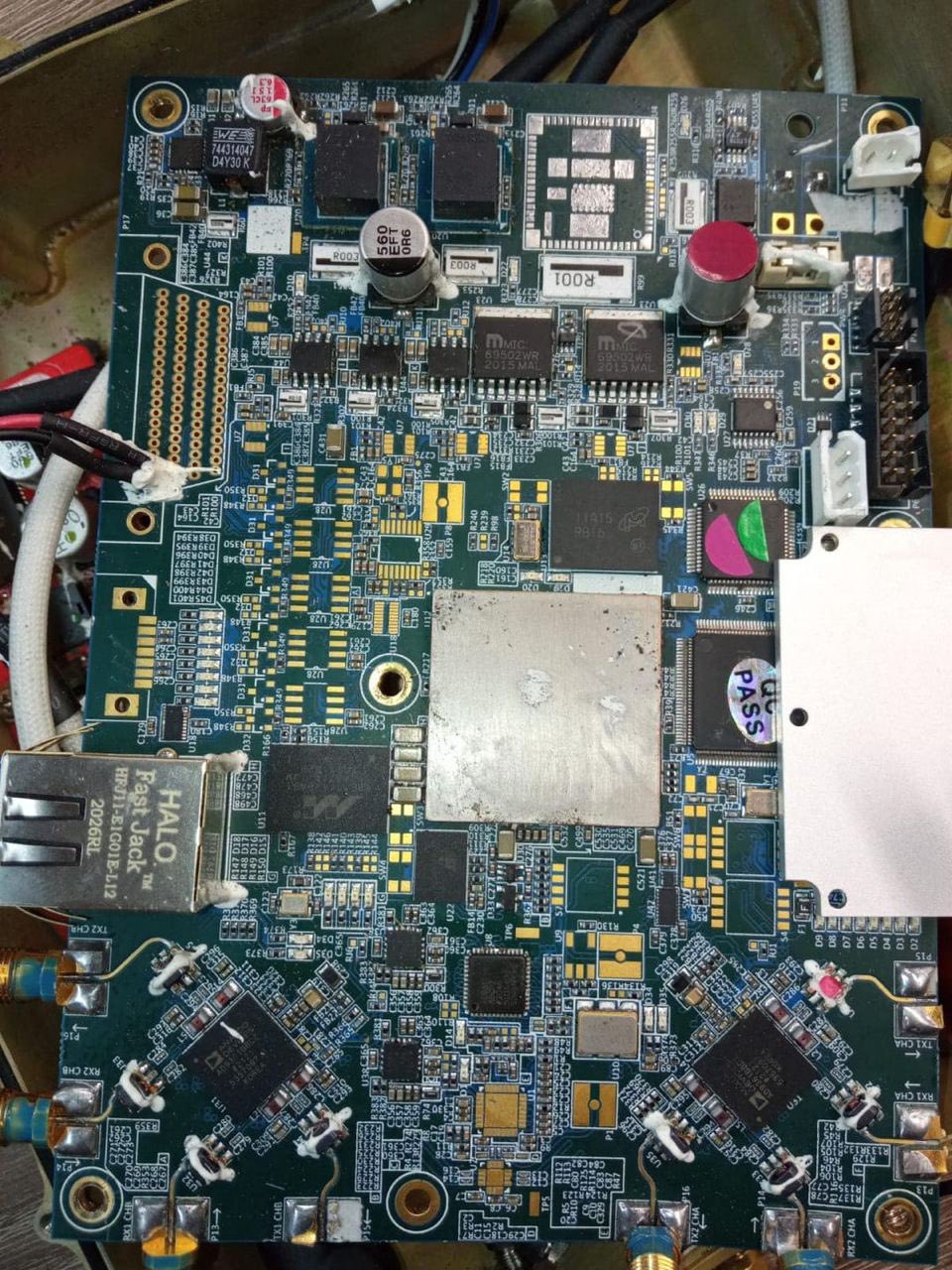
Shaheds use as GNSS receiver a SDR board.
I guess they must use something like...


GitHub - gnss-sdr/gnss-sdr: GNSS-SDR, an open-source software-defined GNSS receiver
GNSS-SDR, an open-source software-defined GNSS receiver - gnss-sdr/gnss-sdrgithub.com
Like @muhammed45 said, it likely uses all available GNSS signals: GPS, GLONASS, Beidou, Galileo and so on. It add accuracy, the more signals the better.
But USA should not cooperate adding accuracy allowing GPS use in that zone.

A Technophile’s Guide to the Evolution of Russian Shahed Drones
The December 2023 versions of the cheap, slow-moving yet powerful Shahed-136 UAVs have seen a number of technical changes to those that first began to terrorize Ukraine on Sept. 13, 2022.
 www.kyivpost.com
Shaheds have gone over several round of change in Russia
The engine
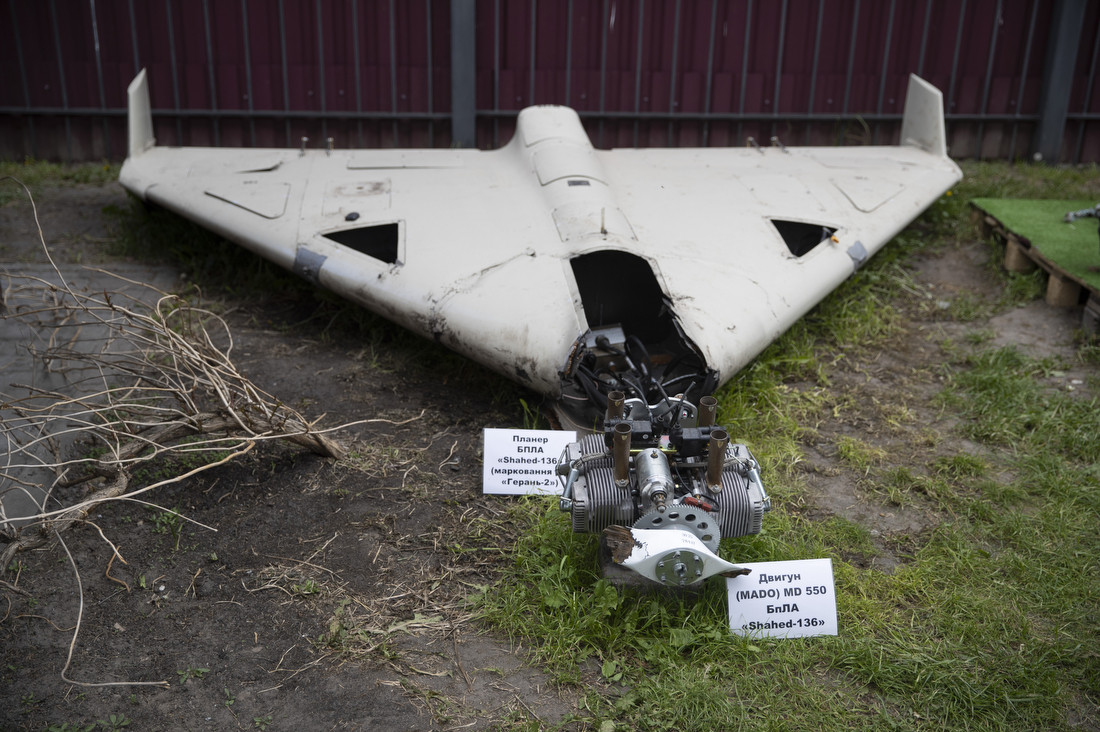
The motor in the original Iranian UAVs was a copy of the German Limbach Flugmotoren L-550 aircraft engine which Teheran calls the MADO MD-550. It is a four-cylinder two-stroke run on gasoline producing 50 bhp. The engines were fitted with Japanese or Irish carburetors and American-made servos, which were later replaced with Chinese versions to control the wings.The Russian-produced drones use a Chinese copy of the original engine manufactured by the Beijing company MicroPilot UAV Flight Control Systems with a carburetors, servos and even spark plugs being sourced from a number of countries.
Navigation
The original Shaheds employed inertial navigation blocks, manufactured in Canada, that relied on commercially available GPS systems for navigation with a limited CEP accuracy of around 10 to 15 meters. The Russian variants use the “Komet” navigation system, which incorporates GLONASS, Russia’s version of GPS for guidance. This is almost the only component of Russian production in these drones.A recently recovered downed UAV was reported as being fitted with a SIM card linked to a Ukrainian provider and 4G modem.
Structure
The original Iranian design used a cast fiberglass body lined with a plastic printed honeycomb filler to hold internal components in place.
The newer Russian versions have a composite fuselage filled with a polyurethane-type filler, which is probably used to reduce costs as it seems to offer no operational or other advantage.
Warhead
The standard warhead in the Iranian variant of the UAV is a high-explosive fragmentation charge weighing between 30 and 50 kilograms. A small number have been found with a columnar warhead around which were copper-lined shaped charges.
The Russian version seems to have a slightly smaller explosive charge around which have been packed tungsten ball bearings to act as shrapnel.