SONGS OF BELIEF AND BELONGING
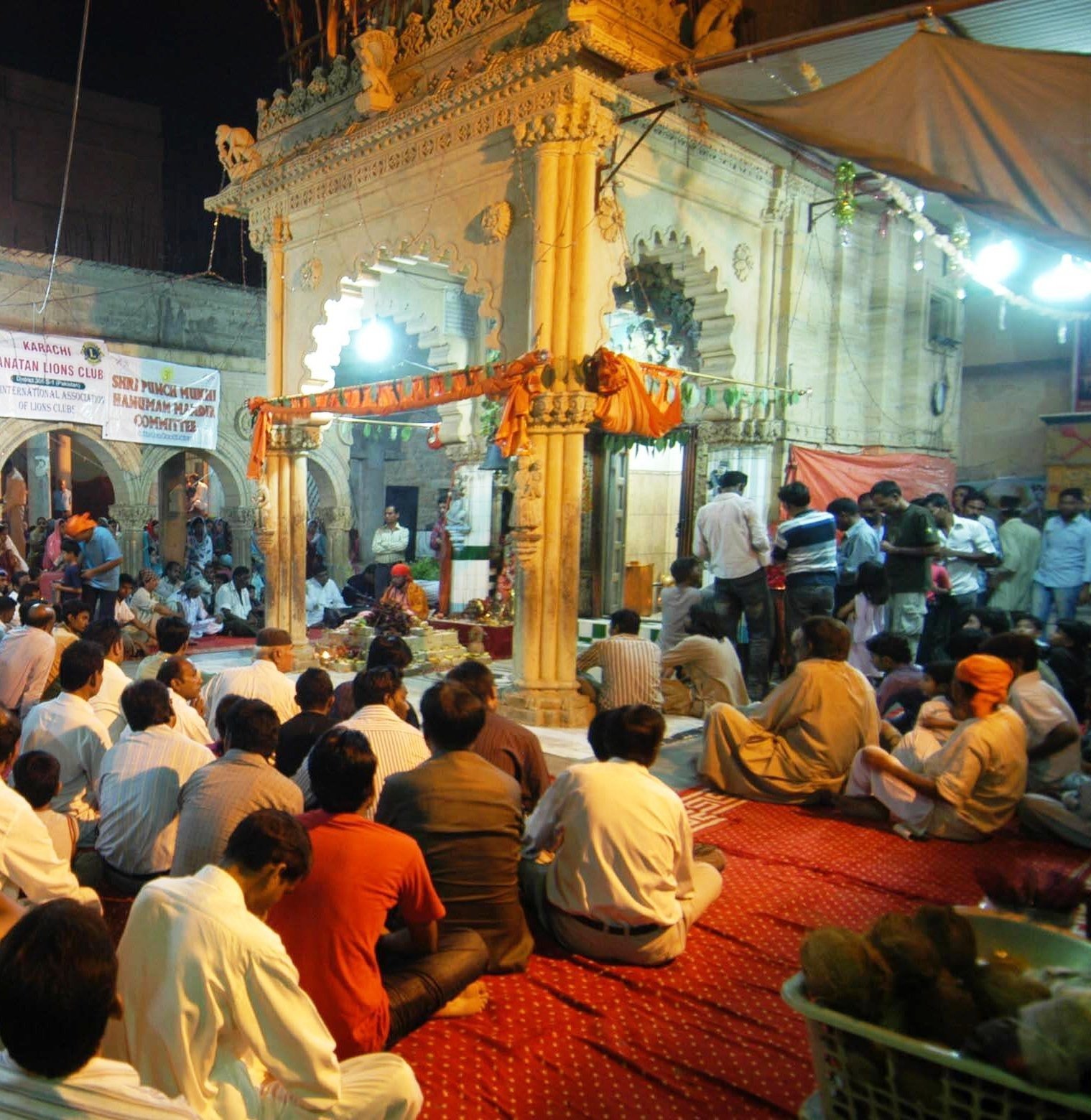
Despite demographic marginalisation and cultural retreat, Hindu sacred music continues to live in Pakistan.
By
Brian Bassanio Paul |
January 30, 2026
In Pakistan, the Hindu minority lives largely in Sindh and southern Punjab, with smaller pockets in Balochistan and Khyber Pakhtunkhwa. There are estimated to be over five million Hindus (including both Jati and Scheduled Caste communities), making them the largest non-Muslim minority in the country.
Jati groups such as Brahmins, Rajputs, Thakurs, Lohanas, and Maheshwaris tend to be more urban and influential, often active in business, medicine, or law. Scheduled Castes, legally designated in the mid-twentieth century, include Meghwar, Kolhi, Bheel, Oad, Bagri, Balmiki, and others.
They are the majority of Pakistan’s Hindus, yet they face layered disadvantage: religion places them at the margins of the national majority, and caste places them at the margins of Hindu society itself. Seats reserved for Hindus in government rarely reflect this lower-caste majority, and literacy among Scheduled Caste women remains among the lowest in South Asia.
Among the cultural traditions affected by these social and political pressures is Hindu sacred music. It has deep roots in the Indus region. The ancient concept of nada brahma, the idea that creation itself is sonic, still informs devotional practice.
The foundations of Hindu music lie in Vedic literature, where syllabic chanting, melody, and movement coalesced into sangeeta. Over time, the Bhakti movement widened participation to all communities through vernacular song, and its poetic aesthetics, described through raas theory, shaped emotional and spiritual expression.
Before 1947, the region experienced centuries of mutual cultural influence among Hindus and Muslims, producing a shared artistic environment sometimes described as Ganga Jamuna Tehzeeb. In this setting, musical identities were porous and devotional repertoires travelled across communities.
Partition disrupted that world. State policies after independence, combined with broader social prejudice, pushed overtly Hindu cultural forms out of mainstream public life. These dynamics did not erase sacred music but changed how it lived.