Saudi Arabia strategic Projects: news, discussions & updates

To view this content we will need your consent to set third party cookies.
For more detailed information, see our cookies page.


Yamama Company has inaugurated one of its largest strategic projects in the field of renewable energy, with the opening of a wind energy systems factory in the city of Yanbu with a production capacity of up to 50 thousand tons annually of iron towers specific to wind turbines, each of which is 130 meters tall and 6 meters in diameter, to be a landmark in the journey of localizing clean energy technologies in the Kingdom.

To view this content we will need your consent to set third party cookies.
For more detailed information, see our cookies page.


“Bahri”
@OneBahri
and the Global Maritime Industries Company launch the first national project to build commercial ships in the Kingdom, including 6 dry bulk carriers to be manufactured in Ras Al-Khair.— The Impact:• Beginning of a globally competitive Saudi maritime industry• Strengthening supply chains and trade• Supporting localization and Vision 2030.

Scheduled delivery by 2028 or 2029.

Nobel laureate Omar Yaghi thanks Crown Prince for backing science​


Saudi Arabia launches Mostaqbali program to train 50,000 Saudis in AI, digital skills​


National program to upskill 100,000 Saudis in AI ‘crucial,’ says official

This Twitter page is quite impressive. On a weekly basis there are news of Saudi Arabians excelling home and abroad in science.
To view this content we will need your consent to set third party cookies.
For more detailed information, see our cookies page.

Saudi Engineer Mohammed Abufour: The First Non-American Engineer to Receive the Highest Global Award in Non-Destructive Testing, Writing a Glorious Chapter in Saudi History! Engineer Mohammed Abufour achieved an unprecedented milestone by receiving the ASNT Philip D. Johnson Honorary Member 2025 Award, the highest lifetime recognition from the American Society for Nondestructive Testing, becoming the first non-American engineer to earn this prestigious award in acknowledgment of over 20 years of innovation and excellence in Non-Destructive Testing (NDT).This achievement embodies the Kingdom’s Vision 2030 in empowering national talent and achieving global leadership, reflecting the continuous support from Saudi Aramco in honing national capabilities and propelling them to compete at the highest international levels.From leading the Advanced NDT Services Unit at Saudi Aramco, to his role as President of the ASNT Saudi Arabia Section, and as Director of ASNT Region 19 — covering Saudi Arabia, the UAE, India, Kuwait, Oman, and Iraq — and currently as an ASNT Section Ambassador, Mohammed Abufour has exemplified the spirit of innovation, excellence, and inspiration, becoming a role model for ambitious Saudi youth on the global stage.Engineer Mohammed Abufour… A global achievement with Saudi pride, and a message to every Saudi youth: National ambition is capable of reaching global heights and writing history!

He is actually leading worldwide in his field which is no small feat:
To view this content we will need your consent to set third party cookies.
For more detailed information, see our cookies page.
 
Last edited:
05 August, 2025

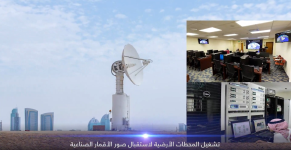
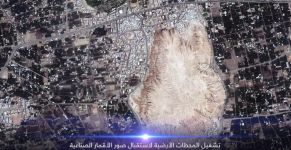
Neo Space Group (NSG) Launches Saudi Arabia’s First Earth Observation Marketplace, Powered by UP42​

Riyadh, Kingdom of Saudi Arabia – August 5, 2025 – Neo Space Group (NSG), the Kingdom’s national space company and a (PIF) company, and a global leader in satellite communications and space technologies, has announced the launch of the Earth Observation (EO) Marketplace, the Kingdom’s first dedicated EO data marketplace, powered by UP42 – a company fully owned by Neo Space Group (NSG). The platform is designed to meet the growing demand for advanced EO and geospatial data solutions.

The Group stated that the EO Marketplace will bring together a growing network of EO data providers and value-added service providers offering advanced geospatial analytics and data processing capabilities. The platform is built to empower public sector agencies, Saudi companies, and international users by offering a wide range of high-resolution satellite imagery and EO data products. It aims to serve as a comprehensive and simplified one-stop shop to support solution developers and service providers and is fully equipped to meet the future needs of government entities within the Kingdom.
Neo Space Group (NSG) Launches Saudi Arabia’s First Earth Observation Marketplace, Powered by UP42

The platform is also expected to drive the expansion of EO data availability across a range of applications in key sectors, including environment, infrastructure, energy, real estate, mining, transportation, logistics, agriculture, and others. This launch aligns closely with the initiatives and goals of Saudi Vision 2030.

The launch follows the completion of NSG’s acquisition of UP42 GmbH from Airbus originally disclosed in December 2024. UP42 is a next-generation digital platform for EO that leverages cloud computing technology to provide leading solutions for accessing and analyzing Earth observation data.

The Saudi EO Marketplace is now accessible through sa.up42.com. It enables seamless discovery, acquisition, and management of EO data and large-scale image processing via unified formats, intuitive tools, and fully automated workflows. The platform is designed to comply with the regulatory requirements of the Kingdom and is hosted on a secure and reliable infrastructure.

Martijn Blanken, CEO of Neo Space Group, stated: “The launch of the EO Marketplace reflects the Kingdom’s remarkable trajectory of growth and the increasing demand for EO data. Today, more than ever, EO data plays a pivotal role in supporting Saudi Arabia’s transformational Vision 2030 — from infrastructure development and urban expansion to optimized resource management. Given the Kingdom’s vast geography — spanning over 2.15 million square kilometers, nearly the size of Western Europe — this platform will serve as both a valuable marketplace and decision-making tool across a wide range of sectors.”

Frank Salzgeber, Acting Deputy Governor for the Space Sector at the Communications, Space & Technology Commission (CST), commented: “Value creation is shifting downstream in the EO supply chain — where AI technologies intersect with space data. The market is now at a perfect inflection point.” He added: “Alongside enhancing national capabilities, the platform is expected to accelerate the adoption of space technologies in the Kingdom. It reflects our national priorities: fostering technological innovation, ensuring regulatory compliance, and building secure infrastructure.”

Neo Space Group (NSG) also expressed its deep appreciation for the continuous guidance and support of the Communications, Space & Technology Commission (CST), which has played a vital role throughout this journey — from licensing and enabling the platform to ensuring strategic alignment.


06 October, 2025

NSG Geospatial Services Unveils NeoMaps — Powering Saudi Arabia’s Digital Sovereignty in Geospatial Intelligence​

- NeoMaps empowers security, civil, and commercial sectors with instant access to geospatial data, maps, and advanced analytics — enhancing efficiency, integration, and strategic decision-making.
- As a fully national platform developed and operated by Saudi talent, NeoMaps strengthens digital sovereignty and supports Saudi Vision 2030 by building an integrated geospatial infrastructure.

Riyadh, Saudi Arabia – October 6, 2025 – NSG Geospatial Services, part of Neo Space Group (NSG), a PIF company, today announced the launch of NeoMaps, Saudi Arabia’s fully national platform dedicated to Earth observation and geospatial analytics.
NSG Geospatial Services Unveils NeoMaps — Powering Saudi Arabia’s Digital Sovereignty in Geospatial Intelligence

Developed, hosted, and operated entirely by Saudi talent, NeoMaps enhances digital sovereignty by providing a unified gateway to explore, visualize, and analyze geospatial data. The platform empowers security, civil, and commercial sectors with instant access to maps, integrated data layers, and advanced analytical tools that strengthen operational efficiency, support strategic planning, and enable data-driven decision-making.

NeoMaps represents a strategic step toward building a national digital spatial infrastructure, contributing to Saudi Arabia’s Vision 2030 objectives. Intuitive and easy to use, yet robust in its capabilities, the platform integrates diverse data sources into one seamless environment, offering core GIS functions such as exploring maps online, adding and customizing layers, measuring areas of interest, and leveraging a wide range of advanced geospatial analytics.

Eng. Abdulaziz Alfarraj, CEO of NSG Geospatial Services, said: “The launch of NeoMaps is a pivotal milestone in building Saudi Arabia’s sovereign geospatial capabilities. Developed entirely by national talent, the platform strengthens digital sovereignty, supports national security, and drives sustainable development in line with Vision 2030. NeoMaps is a clear demonstration of Saudi expertise powering advanced solutions that serve our nation’s priorities and reinforce the Kingdom’s leadership in this vital field.”

Martijn Blanken, CEO of Neo Space Group, added: “NeoMaps reflects NSG’s commitment to advancing geospatial intelligence as part of a fully integrated space services portfolio. By combining the strength of NSG Geospatial Services with our global expertise in satellite communications and space technologies, we are delivering innovative, value-added solutions that support the Kingdom’s leadership ambitions in the geospatial economy and contribute to NSG’s continued growth and international expansion.”

As a PIF company, Neo Space Group is driving the growth of Saudi Arabia’s space economy by building homegrown capabilities that advance Vision 2030. With a focus on sovereignty, innovation, and global partnerships, NSG is shaping a sustainable and competitive future for the Kingdom in space and beyond.
For further information about the NeoMaps or to explore collaboration opportunities with NSG Geospatial Services, contact: [email protected]


Saudi Arabia is advancing in the SAR field:

SARsatX

GqVlTdwWEAAA1Oq.jpg

A Saudi company specializing in space technology, working to provide high-resolution data and imagery for Earth observation and developing SAR radar sensors for aeronautical and space applications.

To view this content we will need your consent to set third party cookies.
For more detailed information, see our cookies page.


KACST

1760357319881.png

To view this content we will need your consent to set third party cookies.
For more detailed information, see our cookies page.


1760357038060.png

1760357005531.png

1760356992521.png
 
Last edited:
To view this content we will need your consent to set third party cookies.
For more detailed information, see our cookies page.


CEO of CEER Motors, James DeLuca:
At CEER, we are not just building an electric car company, but launching an entire industry from scratch in Saudi Arabia, and we are proceeding according to the plan. The factory building has become ready, and we will start production in the fourth quarter of 2026.

1759447410500.webp


1759447541205.jpeg


1759447575070.jpeg


1759447618199.jpeg


1759447698050.jpeg


To view this content we will need your consent to set third party cookies.
For more detailed information, see our cookies page.


King Abdullah University of Science and Technology (KAUST) and Aramco signed an intellectual property licensing agreement for the Hybrid Unmanned Aerial Vehicle (HUCT) technology. It is designed for inspection, monitoring, and smart industrial applications. --- Combines aerial and terrestrial capabilities
- Capable of flying and crawling
- Flying like drones, and crawling and moving on various surfaces, such as pipes, walls, and confined areas.

To view this content we will need your consent to set third party cookies.
For more detailed information, see our cookies page.


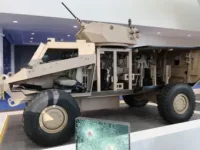
From the Saudi Armoring Factory in Riyadh. The company specializes in armoring vehicles and machinery and is considered a primary supplier for several military sectors in the Kingdom and other companies around the world.
 
Those are some truly stunning tourist resorts on a global scale. I would never have imagined seeing this in KSA just 10 years ago. Easily rivals the best such resorts in places like the Maldives, French Polynesia etc.

To view this content we will need your consent to set third party cookies.
For more detailed information, see our cookies page.


To view this content we will need your consent to set third party cookies.
For more detailed information, see our cookies page.


To view this content we will need your consent to set third party cookies.
For more detailed information, see our cookies page.


The scale of such tourist resorts (not just Red Sea islands resorts but mountain and desert resorts etc.) is amazing within such a short timespan with much more to come.

To view this content we will need your consent to set third party cookies.
For more detailed information, see our cookies page.


To view this content we will need your consent to set third party cookies.
For more detailed information, see our cookies page.


Love the fact that they are all sustainable as well and many of them are built with traditional architecture in mind and nature.

It will be stunning to see the infrastructure projects and the state of the country when the World Cup in 2034 begins. Some 9 years from now will probably ensure that most of the giga-projects will be completed or close to completion.
 

Over 151m trees planted under Saudi Green Initiative

Over 151m trees planted under Saudi Green Initiative

The minister announced the kingdom is building 1,000 rainwater harvesting dams with an annual capacity of 4 million cubic meters. (SPA)


TAMARA ABOALSAUD
July 31, 2025

  • 5 new projects, funding announced by environment minister
  • Aim to increase produce and protect water, land, air, wildlife
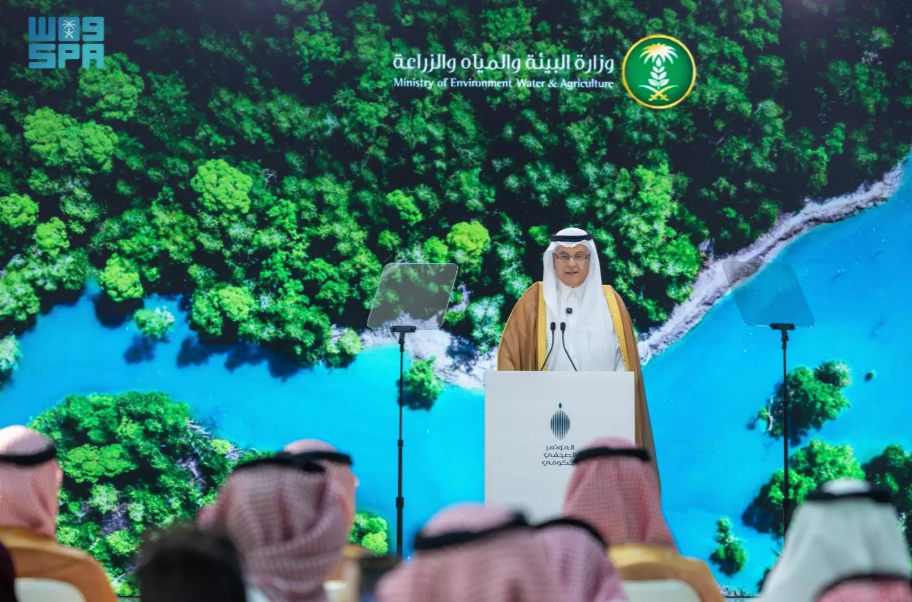
RIYADH: More than 151 million trees have been planted and 500,000 hectares of land rehabilitated under the Saudi Green Initiative, which aims to plant 10 billion in total, the Kingdom’s environment minister said on Wednesday.

The Kingdom has made significant progress under the National Environment Strategy, en-route to achieving Saudi Arabia’s Vision 2030 goals in conservation, water sustainability and food security, said Environment, Water and Agriculture Minister Abdulrahman Al-Fadley.

During a press briefing, Al-Fadley also announced the establishment of five specialized environmental centers, including the Middle East’s first Regional Center for Climate Change Studies and the world’s fourth Regional Center for Sand and Dust Storms.

“The Kingdom has (also) established an environmental fund that is the largest of its kind in the region, reflecting a serious commitment to supporting environmental initiatives,” the minister added.

Protected terrestrial areas went from covering 4.5 percent of the Kingdom’s territory to 18.1 percent, and the number of national parks has increased from 18 to 500.

Since the establishment of the National Center for Environmental Compliance in 2020, more than 40,000 permits have been issued, an increase of 660 percent.

Over 8,000 endangered species have been reintroduced into their natural marine habitats since 2016 as protected zones have grown by 260 percent.

Monitoring services have expanded in all sectors across the Kingdom. There are now 240 air-quality monitoring stations, a new marine program to detect and respond to oil spills, and advanced meteorological sensing and prediction systems.

“We conducted 711 cloud‑seeding flights across regions and increased strategic (water) storage capacity by 600 percent,” increasing rainfall by 6.4 million cubic meters to encourage vegetation and nourish water resources, he said.


New developments have been made in city-level waste management as well, with 21 strategic management plans, and the identification of 330 investment opportunities worth SR450 billion ($119.9 billion).

A number of grants, incentives and environmental funds have been created to support academic collaboration and private sector innovation on mechanisms to divert 90 percent of waste from landfills by 2040.

Al-Fadley also confirmed that water projects worth over SR230 billion have been completed, which includes public and private sector investments for infrastructure and reuse systems.

“Saudi Arabia was chosen by the UN Water Committee as a global model for water sustainability,” he said.

The minister announced that the Kingdom was building 1,000 rainwater-harvesting dams with an annual capacity of 4 million cubic meters.

The Kingdom is the world’s top producer of desalinated water with production capacity reaching 16.6 million cubic meters per day in late 2024, an increase of nearly 100 percent compared to 2016.

And strategic water storage capacity has jumped to 600 percent, with most cities having an average supply coverage of three days rather than one.

In addition to being a large producer, Saudi Arabia also delivers water to 22,000 population centers through an 18,000-km pipeline network.

Reused water now makes up 32 percent of total usage
.

The National Center for Water Efficiency and Conservation saves 120,000 cubic meters of water daily, with plans to increase it to 300,000, the minister added.

Over 65 percent of those working in the water sector are citizens, and Saudi Arabia engineers make up 97 percent of engineering roles, marking an emphasis on self-reliance.


The minister said 25 public–private partnership agreements were signed involving SR100 billion in investments.

Energy reduction is also a big focus for the country. Since 2016, the amount of electricity consumed has been cut by half.

The agricultural sector now makes up SR118 billion of the nation’s gross domestic product, an 8 percent increase from the previous year, and food production increased to 12 million tonnes.

Al-Fadley said a major economic and cultural achievement was that the Kingdom was now the world’s top date exporter, completely self-sufficient in date production and distribution, as well as in milk and eggs.

For key vegetables self-sufficiency was between 70 to 100 percent, and poultry and seafood exports were growing, he added.


Greening the Kingdom: Saudi Arabia Revives 750,000 Hectares in Royal Reserve

Sakaka – Saudi Arabia’s King Salman bin Abdulaziz Royal Reserve Development Authority announced on Friday that 750,000 hectares of previously degraded land have been successfully rehabilitated under its ongoing restoration and greening programs.

According to a report by the Saudi Press Agency (SPA) on the occasion of World Agriculture Day, the authority has also planted nearly 4 million seedlings across the reserve, which spans 130,700 square kilometers. To support natural regeneration of forests and rangelands, teams have dispersed 7,500 kilograms of local seeds, including yarrow, artemisia, and haloxylon.

These efforts are part of the broader Saudi Green Initiative, launched by Crown Prince Mohammed bin Salman on March 27, 2021. The initiative aligns with the goals of Saudi Vision 2030, focusing on combating climate change, reducing carbon emissions, increasing afforestation, and protecting land and marine ecosystems.

The reserve, established by royal order in June 2018 and named after King Salman, consolidates protected areas across the Kingdom’s northern provinces of Tabuk, Northern Borders, Al-Jouf, and Hail. Restoration projects aim to reclaim lands affected by desertification and overgrazing, allowing native plant life to return and thrive.

The reserve hosts over 550 plant species and has relocated 1,235 wildlife species, including Arabian oryx, sand gazelles, Arabian gazelles, and Arabian leopards. It is also a crucial stopover for migratory birds, serving as their first station in the Kingdom from Asia and Europe in the fall, and the last before departing to Africa in spring.

These achievements reflect Saudi Arabia’s commitment to environmental preservation, biodiversity protection, and sustainable development, ensuring natural resources are safeguarded for future generations.

1760455520736.png

1760455527806.png

1760455534158.png

1760455542229.png

1760455550490.png

1760455558781.png


Really a privilege to have this many nature reserves and for them to be some of the largest in the world as well and with every landscape imaginable almost!
 

Saudi Arabia to Host International Restoration Week in Diriyah​

BY AHMED AMIN SEPTEMBER 25, 2025

1760455844846.png

The Saudi Heritage Commission will host the International Restoration Week exhibition from October 1 to 5 in Diriyah’s JAX District, bringing together leading local and international institutions in the field of urban heritage conservation. The event will showcase the latest restoration practices and technologies, fostering cooperation and knowledge exchange among experts from around the world.

As part of the Commission’s broader efforts to safeguard Saudi Arabia’s cultural legacy, the exhibition underscores the importance of preserving the Kingdom’s more than 34,000 recorded heritage assets. It also aims to raise awareness of restoration as a holistic process that not only protects historic sites and cultural identity but also ensures their sustainable integration into modern life.

Screenshot-2025-09-24-at-2.10.39-pm-1024x679.png
via Arab News

Participants from at least 12 countries are expected to attend, making the exhibition a global platform for dialogue and collaboration in heritage preservation. By organizing International Restoration Week, the Heritage Commission reaffirms Saudi Arabia’s commitment to advancing restoration standards in line with international best practices and strengthening its role in global cultural heritage stewardship.


Saudi Arabia concludes inaugural International Restoration Week in Diriyah​

Exhibition highlighted Saudi Arabia’s growing focus on heritage protection under Vision 2030

by Safa Hassan October 11, 2025 08:00 AM GST

1760456022597.png

The Heritage Commission concluded the first International Restoration Week exhibition in Diriyah’s JAX District, which ran from 1 to 5 October.

The five-day event brought together local and international institutions specialising in restoration and urban heritage preservation to exchange expertise and showcase the latest technologies and practices in conserving historic buildings and sites.
Organised in collaboration with the Italian Association for Restoration, the exhibition formed part of the Commission’s wider efforts to protect and develop Saudi Arabia’s urban heritage.

With more than 34,000 registered heritage assets across the Kingdom, the Commission aimed to highlight restoration as an integrated process that preserves cultural identity while supporting the sustainable development of historic environments.

Collaboration and participation

The exhibition attracted representatives from 20 companies across 12 countries. It featured panel discussions, workshops, side events and cultural activities, providing a platform for professionals to engage in dialogue and exchange technical expertise in the field of restoration.

Mohammed Al-Mandiel, general manager of cultural events and activations at the Heritage Commission, said to Arab News that the event aimed to highlight the latest technology being used in the restoration of architectural heritage sites and to encourage knowledge-sharing among professionals.

He noted that the gathering offered opportunities for collaboration between local and international experts and reflected the Commission’s ongoing efforts to restore historical sites across the Kingdom.

Al-Mandiel added that the exhibition served as a networking opportunity for individuals, companies and experts in the restoration field, contributing to Saudi Vision 2030’s goals of preserving and developing cultural heritage.


jklvdMBZ703X3OXvCv2KUtC5iRmbtlcVk2Ru5idL-1024x684.webp

The International Restoration Week was held in partnership with the Diriyah Gate Development Authority, the Royal Commission for AlUla, the King Abdulaziz Foundation for Research and Archives, the Royal Commission for Riyadh City, the Aseer Development Authority, King Fahd University of Petroleum and Minerals, the Imam Turki Bin Abdullah Royal Reserve and the Jeddah Historic District Program.

Workshops were hosted by the Royal Institute of Traditional Arts (Wrth), featuring Al-Qatt Al-Asiri engraving and plaster restoration carving. The Misk Art Institute led live drawing and sculpting sessions, while visitors also attended screenings and performances at the Heritage Cinema and Theatre.

Knowledge exchange and expert dialogue

a4UQUZnQBkLnnsUKTEgRZ26h2hdhtbeIhR1wlUHG-1024x684.webp

The event’s opening day included panel discussions on topics such as ‘international efforts in the restoration of architectural heritage landmarks and assets’, ‘sustainable restoration methodologies’ and ‘innovative technological solutions in restoration’.

The sessions brought together experts to discuss shared challenges and opportunities for collaboration in heritage conservation.


Carlo Baldocci, Italy’s ambassador to Saudi Arabia, commended the initiative in his keynote address, noting its alignment with the Kingdom’s cultural and innovation goals under Vision 2030.

He stated that Saudi Arabia’s focus on integrating heritage preservation within national development demonstrated its commitment to progress rooted in cultural identity.

Continued commitment to preservation

The Heritage Commission stated that the International Restoration Week served as a platform for cooperation and knowledge exchange in urban heritage conservation.

The event underscored Saudi Arabia’s commitment to advancing restoration standards in line with global best practices and strengthening its position in cultural heritage preservation.


RESTORING MANGROVE FORESTS IN SAUDI ARABIA

IMG_0141

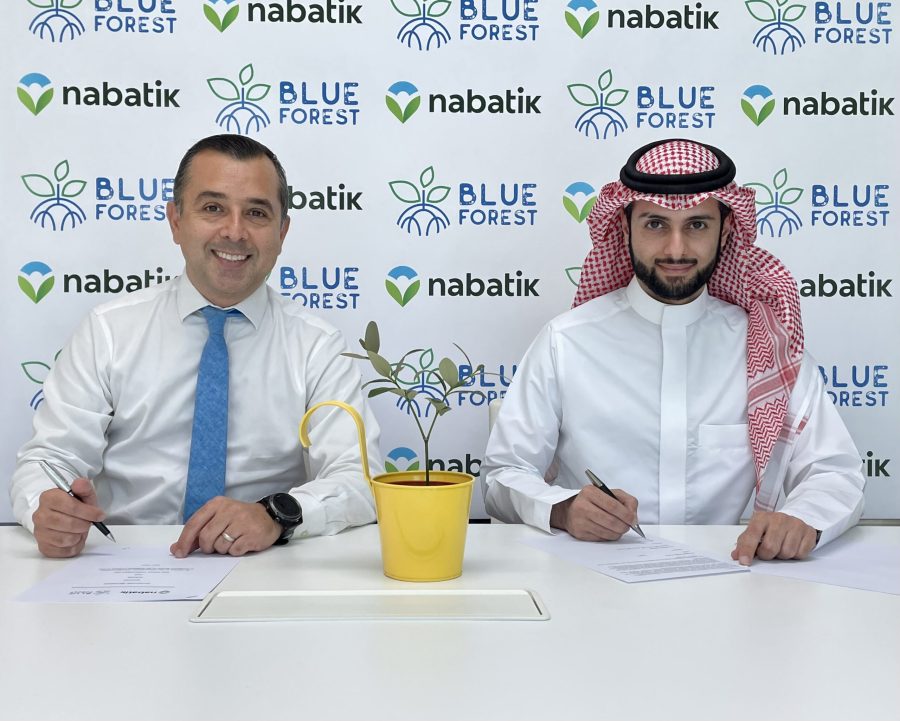
We are thrilled to announce that Blue Forest has joined forces with Net Zero through its subsidiary company Nabatik, a leading forestry and urban tree planting company based in the Kingdom of Saudi Arabia (KSA). We are committed to reviving and restoring a minimum of 5,000 hectares of mangrove forests in Saudi Arabia, demonstrating our common dedication to environmental conservation and sustainability. The official signing ceremony took place on May 15 at our office located in Dubai International Financial Centre (DIFC). Here are some key elements of our partnership:

Focus on Mangrove Revitalization:

Over the next three years, Blue Forest and Net Zero will conduct a number of mangrove restoration and afforestation projects with a goal to plant approximately 50 million mangrove trees across Saudi Arabia.

Our Vision for a Greener Future:


Our partnership will focus on supporting global climate goals through a tangible increase in carbon sequestration while accelerating sustainable mangrove forest use in the kingdom. Furthermore, this collaboration allows KSA enterprises to offset their carbon emissions and potentially generate revenue through blue carbon credits.

A Collaborative Approach:

Blue Forest and Nabatik will collaborate closely to design and implement projects that align with global climate initiatives and KSA’s national policies. Blue Forest will provide technical services including GIS mapping and habitat assessments, while leading the carbon offset project accounting with third-party validators. Net Zero, on the other hand, will lead the origination, commercial negotiation, and monitoring activities of the mangrove projects.

The collaboration between Blue Forest and Nabatik marks an important step forward in our efforts to restore and conserve mangrove forests in Saudi Arabia. We hope to make a concrete contribution to global climate goals while also promoting sustainable practices in the region by combining our experience and resources. This collaboration not only emphasizes the significance of environmental conservation but also allows KSA businesses to actively engage in offsetting their carbon footprints. Together, we are working towards a greener future for Saudi Arabia and the wider region.

Please share your thoughts via Twitter and Linkedin.


Alswaha meets Zuckerberg and tech leaders in US to discuss strengthening partnerships in AI and future technologies

October 14, 2025

Saudi Minister of Communications and Information Technology Eng. Abdullah Alswaha meets with Founder, Chairman and CEO of Meta Mark Zuckerberg in California.


Saudi Minister of Communications and Information Technology Eng. Abdullah Alswaha meets with Founder, Chairman and CEO of Meta Mark Zuckerberg in California.


Saudi Gazette report

CALIFORNIA — Saudi Minister of Communications and Information Technology Eng. Abdullah Alswaha met with Founder, Chairman and CEO of Meta Mark Zuckerberg and other global technology company leaders during his current visit to the United States. This was part of the Kingdom’s efforts to enhance strategic partnerships in artificial intelligence (AI) and innovative digital solutions.

During their meeting, Alswaha and Zuckerberg discussed partnership opportunities in AI, large language models (LLMs), the metaverse, and generative AI. It also addressed initiatives that support innovators and developers in a way that enhances national capabilities and helps consolidate the Kingdom’s leadership in future technologies.

Alswaha also met with Adobe Chair and Chief Executive Officer Shantanu Narayen in San Francisco. The meeting was part of the visit of the Kingdom’s Digital Economy, Space, and Innovation delegation to the United States to strengthen partnerships in technology, artificial intelligence, and innovation.

During the meeting, they discussed expanding collaboration in intelligent content solutions and AI-powered creative design. This aims to empower creators and designers within the digital creative economy and enhance the Kingdom’s capabilities in creative and digital innovation tools.

Alswaha’s meeting with Groq Founder and CEO Jonathan Ross in California focused on advancing the Kingdom’s capabilities in artificial intelligence (AI) and high-performance computing.

They discussed expanding collaboration in accelerator computing technologies and AI-powered sustainable computing to help build a world-class national computing ecosystem and support the Kingdom’s objective to establish itself as a leading hub for sustainable AI technologies.

Alswaha also held a meeting with Applied Intuition CEO Qasar Younis to discuss supporting the Kingdom’s smart mobility ecosystem. During the meeting, they discussed opportunities to develop advanced simulation and testing solutions for autonomous vehicles. These efforts aimed to enhance the Kingdom’s leadership in artificial intelligence (AI) technologies tailored for smart mobility and contribute to an integrated intelligent transportation ecosystem that supports Saudi Vision 2030 objectives.

 
To view this content we will need your consent to set third party cookies.
For more detailed information, see our cookies page.


Dr. Majed Al-Mutairi obtained his PhD in neuroscience from the University of Birmingham, and his research focused on the genetic effects in neurodegenerative diseases. He received recognition from the University of Cambridge and also the Saudi Embassy in London for his participation in the Creativity and Innovation Program, representing the Kingdom with distinguished inventions such as the industrial gas isolation system and also an innovation using Western blot technology for protein analysis. In 2025, he achieved a gold medal in Kuwait and a silver one in the Malaysian International Competition for Creativity and Innovation, confirming the leadership of the Saudi researcher in innovation and applied scientific research.

To view this content we will need your consent to set third party cookies.
For more detailed information, see our cookies page.


Dr. Ahmed Hussein Al-Baqshi wins two scientific awards at the AAFITN 2025 World Conference for his research in interventional neuroradiology, carrying in every achievement a dream of healing patients and alleviating their suffering. Behind every award is the story of a doctor who believes that science is a humanitarian mission. Ahmed, who continues his scientific journey at the Asan Medical Center in Seoul, transforms his passion for neuroradiology into new hope for thousands of patients around the world.

To view this content we will need your consent to set third party cookies.
For more detailed information, see our cookies page.


Professor Jawhara bint Abdullah Al-Magbal (Deputy Minister of Tourism for Digital Transformation) is a graduate with first-class honors and the top of her class at King Saud University. She is the first female student to achieve a 100% score in Saudi Arabia and the first woman to hold the position of Deputy Minister for Digital Transformation and Technology in Saudi Arabia.

◉ Professor Jawhara holds distinguished academic qualifications, excelling in all stages of her education. She began by achieving a 100% score in high school, becoming the first female student to attain a perfect score. She then graduated at the top of her class from the College of Computer Science at King Saud University with first-class honors. Last year, she was nominated among the top 5 leaders of digital transformation in digital government by the Digital Government Authority for 2023.

◉ Professor Jawhara Al-Magbal is a strategic leader with over 19 years of experience in digital transformation, innovation, and strategy implementation. She has led several national projects, including the digital transformation of the tourism sector, aligning with Saudi Vision 2030. She is distinguished for her leadership in developing and implementing innovative technological strategies and launching pioneering projects that have enhanced integration between national and sectoral goals. She is known for her ability to build strategic relationships with stakeholders and drive digital transformation in line with the highest national and international standards.

◉ Professor Jawhara has supported her academic journey with a focus on practical applications and technical development, backed by advanced courses and international certifications that reflect the depth of her expertise in leading digital and technological transformation. Notable among these are the Certificate in Organizational Leadership from Harvard Business School and the Certificate in Leading Digital Strategies from the same university.

◉ Through her position, Professor Jawhara Al-Magbal has overseen the development and implementation of the first digital strategy for the tourism sector, linking it to the national objectives of the National Tourism Strategy and Saudi Vision 2030. She has also contributed to the development of the national tourism visa platform and advanced digital platforms.

To view this content we will need your consent to set third party cookies.
For more detailed information, see our cookies page.


Dr. Nouf bint Sulaiman Al-Namair (Secretary-General of the Ministerial Committee for Health in All Policies in the Kingdom of Saudi Arabia), affiliated with the Council for Economic Affairs and Development.

◉ Dr. Nouf Al-Namair holds distinguished academic qualifications from some of the world’s most prestigious universities, alongside leadership and executive training from renowned international institutes and centers. She holds a PhD, a Master’s degree, and a postdoctoral fellowship in molecular genetics and bioinformatics from University College London (UCL) and the University of Cambridge in the United Kingdom. She also earned an Executive Master’s in Business Administration (EMBA) from Harvard University in the United States, and a Bachelor’s degree in Clinical Medical Sciences from King Saud University in the Kingdom of Saudi Arabia. Additionally, she obtained a diploma in Creative Leadership from INSEAD in France, a professional certificate in Strategic Growth Leadership and Change Management from Columbia University in the United States, and a diploma in Board Leadership from IMD Business School in Switzerland.

◉ Dr. Nouf Al-Namair possesses over 20 years of experience in medical research, innovation, health policies, governance, and strategies. Her research focuses on applying advanced practices such as systems thinking and complex adaptive systems theories, in addition to leveraging artificial intelligence to predict and mitigate future risks. Her efforts also center on promoting cross-sectoral integration and adopting a policy-driven approach to drive transformation and accelerate impact, contributing to achieving health, well-being, and increasing the healthy life expectancy of populations.

◉ Dr. Nouf Al-Namair has held numerous leadership positions throughout her professional career and has actively contributed to the transformation of the healthcare sector in the Kingdom. In addition to her role as Secretary-General of the Ministerial Committee for Health in All Policies, which promotes a collaborative approach among entities to enhance health, equity, and sustainability, she has held several positions, including:• Advisor to the CEO of the Health Sector Transformation Program, one of the programs under Saudi Vision 2030.• Strategic Leader for Research, Development, and Innovation in the Health Sector Transformation Program.• Advisor to the Deputy Minister of Health for Planning and Development.• Advisor to the Head of the Transformation Office at the Ministry of Health.• Associate Professor at the College of Medicine, Alfaisal University.• Clinical Research Scientist specializing in molecular genetics and bioinformatics at the Genomic Medicine Center at King Faisal Specialist Hospital and Research Centre, where she was recognized as a certified consultant in her field.• Researcher at University College London (UCL) and the Institute of Structural and Molecular Biology in the United Kingdom.

◉ In addition to her leadership roles, Dr. Nouf Al-Namair participates in several national and international committees, including:• Member of the Strategic and Technical Advisory Expert Team at the World Health Organization (WHO).• Member of the Executive Committee for Health in All Policies (HiAP) in the Kingdom of Saudi Arabia.• Member of the Health Governance Committee under the G20 initiatives.• Member of the Biotechnology Steering Committee at the Ministry of Health.• Member of the New York Academy of Sciences.• Member of IEEE Women in Engineering.• Member of the International Society for Computational Biology (ISCB) and the American Society of Human Genetics (ASHG).

This young Saudi Arabian generation is seriously talented and highly educated by large. THE upcoming even more. I never knew that our ministers had such respectable curriculums but it is kind of expected.

To view this content we will need your consent to set third party cookies.
For more detailed information, see our cookies page.


Makkah Al-Mukarramah, the haven of hearts and the holiest spot on Earth, embraces three global projects that will redraw the features of the Holy Capital, enhance infrastructure, elevate the urban landscape, the hospitality and housing sector, and quality of life:

- Masaar Destination
- Dakhir Mecca
- King Salman Gate


HRH Crown Prince announces King Salman Gate project in Makkah​

NEWSWIRE
15 October 2025 Makkah, Saudi Arabia

Development will contribute to enhancing access to AlMasjid AlHaram
  • King Salman Gate is being developed by RUA AlHaram AlMakki, a PIF company
  • Project to support Vision 2030 goals through generating more than 300,000 jobs
His Royal Highness Prince Mohammed bin Salman bin Abdulaziz Al Saud, Crown Prince, Prime Minister and Chairman of the Board of Directors of RUA AlHaram AlMakki Company, announces the launch of King Salman Gate, a transformative multi-use development in the Holy City of Makkah.


Spanning up to 12 million sqm Gross Floor Area adjacent to AlMasjid AlHaram, the project marks a major milestone in the development of Makkah and its central area, establishing it as a global benchmark in modern city planning.

1760538573613.png

King Salman Gate’s urban development and infrastructure transformation will contribute to enhancing access to AlMasjid AlHaram, elevating service quality, and enriching every visitor’s journey, in alignment with the goals of the Pilgrim Experience Program.


Strategically located next to AlMasjid AlHaram, the integrated mixed-use destination will prioritize further elevating the levels of currently provided services, while offering residential, hospitality, commercial and cultural experiences. With capacity for around 900,000 indoor and outdoor praying spaces.

1760538584947.png

With its seamless connection to public transportation networks, King Salman Gate will ensure easy access and comfort, and will pay homage to Makkah’s identity, blending its rich architectural heritage with world-class modern living to create a truly unique experience. It will also restore and develop approximately 19,000 sqm of heritage sites, preserving Makkah’s cultural and historical legacy to enrich every visitor’s journey. The project will contribute to Saudi Vision 2030’s goals of economic transformation through generating more than 300,000 jobs by 2036.


King Salman Gate is being developed by RUA AlHaram AlMakki Company, a PIF company. The company aims to support PIF’s strategy by advancing urban development around AlMasjid AlHaram to establish Makkah as a global benchmark for real estate development. The company is committed to sustainable resource management through innovative solutions that create a positive impact on residents, pilgrims and visitors while preserving Makkah’s cultural fabric. RUA AlHaram AlMakki is committed to global best practices in real estate development and ensuring exceptional experiences.


Video about the project:

 
An interesting Twitter profile showing the progress of the mega and giga-projects in KSA from air (not only).


To view this content we will need your consent to set third party cookies.
For more detailed information, see our cookies page.


To view this content we will need your consent to set third party cookies.
For more detailed information, see our cookies page.


To view this content we will need your consent to set third party cookies.
For more detailed information, see our cookies page.


To view this content we will need your consent to set third party cookies.
For more detailed information, see our cookies page.


To view this content we will need your consent to set third party cookies.
For more detailed information, see our cookies page.
 
Last edited:

Saudi Arabia and NVIDIA to Build AI Factories to Power Next Wave of Intelligence for the Age of Reasoning​


May 13, 2025


Saudi Arabia to Become a Global AI Leader With Sovereign AI Infrastructure Powered by NVIDIA

RIYADH, Saudi Arabia, May 13, 2025 (GLOBE NEWSWIRE) -- NVIDIA and the Kingdom of Saudi Arabia (KSA) today announced partnerships to transform the country into a global powerhouse in AI, cloud and enterprise computing, digital twins and robotics.​

During a state visit today with U.S. President Donald Trump and His Royal Highness Prince Mohammed bin Salman bin Abdulaziz Al Saud, Crown Prince and Prime Minister of Saudi Arabia, NVIDIA founder and CEO Jensen Huang said that the effort will harness sovereign AI infrastructure and expertise to propel Saudi Arabia to the ranks of global hyperscale AI leaders.

“AI, like electricity and internet, is essential infrastructure for every nation,” Huang said. “Together with HUMAIN, we are building AI infrastructure for the people and companies of Saudi Arabia to realize the bold vision of the Kingdom.”

“Our partnership with NVIDIA is a bold step forward in realizing the Kingdom’s ambitions to lead in AI and advanced digital infrastructure,” said Tareq Amin, CEO of HUMAIN. “Together, we are building the capacity, capability and a new globally enabled community to shape a future powered by intelligent technology and empowered people.”

Powerful Partnerships

NVIDIA and leading Saudi organizations will work together on several key initiatives:


  • HUMAIN, a subsidiary of Saudi Arabia’s Public Investment Fund focused on AI, is making a major investment to build AI factories in KSA with a projected capacity of up to 500 megawatts powered by several hundred thousand of NVIDIA’s most advanced GPUs over the next five years. The first phase of deployment will be an 18,000 NVIDIA GB300 Grace Blackwell AI supercomputer with NVIDIA InfiniBand networking.
  • HUMAIN will deploy the country’s first NVIDIA Omniverse Cloud to simulate and test physical AI solutions with digital twins.
  • NVIDIA will strengthen the nation’s computing ecosystem and train thousands of developers with the skills to solve complex challenges with accelerated computing and AI.
  • NVIDIA and the Saudi Data & AI Authority (SDAIA) will deploy up to 5,000 Blackwell GPUs for a sovereign AI factory and enable smart city solutions. NVIDIA and SDAIA will train government and university scientists and engineers on how to develop and deploy models for physical and agentic AI.
  • Aramco Digital will develop AI computing infrastructure, collaborate with NVIDIA’s startup ecosystem, establish AI enterprise platforms, and create an engineering and robotics center of excellence including NVIDIA platforms.

“This partnership with NVIDIA reflects SDAIA’s commitment to harnessing and advancing the potential of data and AI through continuous innovation,” said H.E. Dr. Abdullah bin Sharaf Alghamdi, president of the SDAIA. “It marks a significant step toward positioning the Kingdom as a leader among data- and AI-driven economies, and in building a knowledge-based society and an advanced digital economy aligned with the objectives of Saudi Vision 2030.”

These initiatives will help industries such as energy, manufacturing and logistics to develop and deploy innovative solutions using the power of AI and digital twins to fuel growth and prosperity throughout the region, while boosting efficiency, safety and sustainability.

This effort will contribute to building a robust AI ecosystem and aligns with Saudi Arabia’s Vision 2030 goals of economic diversification and digital leadership.


About NVIDIA
NVIDIA (NASDAQ: NVDA) is the world leader in accelerated computing.
 

Saudi SAMI and NVIDIA to launch AI defense lab in Riyadh​


1760771516533.webp
Saudi Arabia's SAMI and NVIDIA are collaborating to establish an AI defense lab in Riyadh, aiming to enhance the country's defense capabilities through advanced artificial intelligence technologies. This initiative is part of Saudi Arabia's broader strategy to become a leader in AI and advanced technology sectors.

AI Defense Lab Collaboration​

Overview​

Saudi Arabia's SAMI (Saudi Arabian Military Industries) and NVIDIA are set to establish an AI defense lab in Riyadh. This initiative aims to enhance the Kingdom's capabilities in artificial intelligence, particularly in defense applications.

Objectives of the AI Defense Lab​

  • Innovation in Defense: The lab will focus on developing advanced AI technologies tailored for military use.
  • Collaboration: It will foster partnerships between local and international tech firms to drive innovation in defense systems.
  • Training and Development: The lab will also serve as a training ground for Saudi engineers and developers, enhancing local expertise in AI technologies.

Strategic Importance​

  • National Security: This collaboration aligns with Saudi Arabia's broader strategy to strengthen its defense capabilities through advanced technology.
  • Economic Diversification: The initiative supports the Kingdom's Vision 2030 goals by investing in high-tech industries and reducing reliance on oil.
This partnership marks a significant step in Saudi Arabia's efforts to become a leader in AI and advanced military technologies.
 

Saudi Arabia’s AI Ambition Forges Geopolitical Tech Alliances: Intel Partnership at the Forefront​


1760771933805.png

In a bold move reshaping the global technology landscape, Saudi Arabia is rapidly emerging as a formidable player in the artificial intelligence (AI) and semiconductor industries. Driven by its ambitious Vision 2030 economic diversification plan, the Kingdom is actively cultivating strategic partnerships with global tech giants, most notably with Intel (NASDAQ: INTC). These collaborations are not merely commercial agreements; they represent a significant geopolitical realignment, bolstering US-Saudi technological ties and positioning Saudi Arabia as a critical hub in the future of AI and advanced computing.

The immediate significance of these alliances, particularly the burgeoning relationship with Intel, lies in their potential to accelerate Saudi Arabia's digital transformation. With discussions nearing finalization for a US-Saudi chip export agreement, allowing American chipmakers to supply high-end semiconductors for AI data centers, the Kingdom is poised to become a major consumer and, increasingly, a developer of cutting-edge AI infrastructure. This strategic pivot underscores a broader global trend where nations are leveraging technology partnerships to secure economic futures and enhance geopolitical influence.

Unpacking the Technical Blueprint of a New Tech Frontier​


The collaboration between Saudi Arabia and Intel is multifaceted, extending beyond mere hardware procurement to encompass joint development and capacity building. A cornerstone of this technical partnership is the establishment of Saudi Arabia's first Open RAN (Radio Access Network) Development Center, a joint initiative between Aramco Digital and Intel announced in January 2024. This center is designed to foster innovation in telecommunications infrastructure, aligning with Vision 2030's goals for digital transformation and setting the stage for advanced 5G and future network technologies.

Intel's expanding presence in the Kingdom, highlighted by Taha Khalifa, General Manager for the Middle East and Africa, in April 2025, signifies a deeper commitment. The company is growing its local team and engaging in diverse projects across critical sectors such as oil and gas, healthcare, financial services, and smart cities. This differs significantly from previous approaches where Saudi Arabia primarily acted as an end-user of technology. Now, through partnerships like those discussed between Saudi Minister of Communications and Information Technology Abdullah Al-Swaha and Intel CEO Patrick Gelsinger in January 2024 and October 2025, the focus is on co-creation, localizing intellectual property, and building indigenous capabilities in semiconductor development and advanced computing. This strategic shift aims to move Saudi Arabia up the value chain, from technology consumption to innovation and production, ultimately enabling the training of sophisticated AI models within the Kingdom's borders.

Initial reactions from the AI research community and industry experts have been largely positive, viewing Saudi Arabia's aggressive investment as a catalyst for new research opportunities and talent development. The emphasis on advanced computing and AI infrastructure development suggests a commitment to foundational technologies necessary for large language models (LLMs) and complex machine learning applications, which could attract further global collaboration and talent.

Reshaping the Competitive Landscape for AI and Tech Giants​


The implications of these alliances are profound for AI companies, tech giants, and startups alike. Intel stands to significantly benefit, solidifying its market position in a rapidly expanding and strategically important region. By partnering with Saudi entities like Aramco Digital and contributing to the Kingdom's digital infrastructure, Intel (NASDAQ: INTC) secures long-term contracts and expands its ecosystem influence beyond traditional markets. The potential US-Saudi chip export agreement, which also involves other major US chipmakers like NVIDIA (NASDAQ: NVDA) and AMD (NASDAQ: AMD), signals a substantial new market for high-performance AI semiconductors.

For Saudi Arabia, the Public Investment Fund (PIF) and its technology unit, "Alat," are poised to become major players, directing billions into AI and semiconductor development. This substantial investment, reportedly $100 billion, creates a fertile ground for both established tech giants and nascent startups. Local Saudi startups will gain access to cutting-edge infrastructure and expertise, fostering a vibrant domestic tech ecosystem. The competitive implications extend to other major AI labs and tech companies, as Saudi Arabia's emergence as an AI hub could draw talent and resources, potentially shifting the center of gravity for certain types of AI research and development.

This strategic positioning could disrupt existing products and services by fostering new localized AI solutions tailored to regional needs, particularly in smart cities and industrial applications. Furthermore, the Kingdom's ambition to cultivate 50 semiconductor design firms and 20,000 AI specialists by 2030 presents a unique market opportunity for companies involved in education, training, and specialized AI services, offering significant strategic advantages to early movers.

A Wider Geopolitical and Technological Significance​


These international alliances, particularly the Saudi-Intel partnership, fit squarely into the broader AI landscape as a critical facet of global technological competition and supply chain resilience. As nations increasingly recognize AI and semiconductors as strategic assets, securing access to and capabilities in these domains has become a top geopolitical priority. Saudi Arabia's aggressive pursuit of these technologies, backed by immense capital, positions it as a significant new player in this global race.

The impacts are far-reaching. Economically, it accelerates Saudi Arabia's diversification away from oil, creating new industries and high-tech jobs. Geopolitically, it strengthens US-Saudi technological ties, aligning the Kingdom more closely with Western-aligned technology ecosystems. This is a strategic move for the US, aimed at enhancing its semiconductor supply chain security and countering the influence of geopolitical rivals in critical technology sectors. However, potential concerns include the ethical implications of AI development, the challenges of talent acquisition and retention in a competitive global market, and the long-term sustainability of such ambitious technological transformation.

This development can be compared to previous AI milestones where significant national investments, such as those seen in China or the EU, aimed to create domestic champions and secure technological sovereignty. Saudi Arabia's approach, however, emphasizes deep international partnerships, leveraging global expertise to build local capabilities, rather than solely focusing on isolated domestic development. The Kingdom's commitment reflects a growing understanding that AI is not just a technological advancement but a fundamental shift in global power dynamics.

The Road Ahead: Expected Developments and Future Applications​


Looking ahead, the near-term will see the finalization and implementation of the US-Saudi chip export agreement, which is expected to significantly boost Saudi Arabia's capacity for AI model training and data center development. The Open RAN Development Center, operational since 2024, will continue to drive innovation in telecommunications, laying the groundwork for advanced connectivity crucial for AI applications. Intel's continued expansion and deeper engagement across various sectors are also anticipated, with more localized projects and talent development initiatives.

In the long term, Saudi Arabia's Vision 2030 targets—including the establishment of 50 semiconductor design firms and the cultivation of 20,000 AI specialists—will guide its trajectory. Potential applications and use cases on the horizon are vast, ranging from highly efficient smart cities powered by AI, advanced healthcare diagnostics, optimized energy management in the oil and gas sector, and sophisticated financial services. The Kingdom's significant data resources and unique environmental conditions also present opportunities for specialized AI applications in areas like water management and sustainable agriculture.

However, challenges remain. Attracting and retaining top-tier AI talent globally, building robust educational and research institutions, and ensuring a sustainable innovation ecosystem will be crucial. Experts predict that Saudi Arabia will continue to solidify its position as a regional AI powerhouse, increasingly integrated into global tech supply chains, but the success will hinge on its ability to execute its ambitious plans consistently and adapt to the rapidly evolving AI landscape.

A New Dawn for AI in the Middle East​


The burgeoning international alliances, exemplified by the strategic partnership between Saudi Arabia and Intel, mark a pivotal moment in the global AI narrative. This concerted effort by Saudi Arabia, underpinned by its Vision 2030, represents a monumental shift from an oil-dependent economy to a knowledge-based, technology-driven future. The sheer scale of investment, coupled with deep collaborations with leading technology firms, underscores a determination to not just adopt AI but to innovate and lead in its development and application.

The significance of this development in AI history cannot be overstated. It highlights the increasingly intertwined nature of technology, economics, and geopolitics, demonstrating how nations are leveraging AI and semiconductor capabilities to secure national interests and reshape global power dynamics. For Intel (NASDAQ: INTC), it signifies a strategic expansion into a high-growth market, while for Saudi Arabia, it’s a foundational step towards becoming a significant player in the global technology arena.

In the coming weeks and months, all eyes will be on the concrete outcomes of the US-Saudi chip export agreement and further announcements regarding joint ventures and investment in AI infrastructure. The progress of the Open RAN Development Center and the Kingdom's success in attracting and developing a skilled AI workforce will be key indicators of the long-term impact of these alliances. Saudi Arabia's journey is a compelling case study of how strategic international partnerships in AI and semiconductors are not just about technological advancement, but about forging a new economic and geopolitical identity in the 21st century.


https://markets.financialcontent.co...-alliances-intel-partnership-at-the-forefront
 
Saudi Arabia and AI: SAMI at the Forefront of Innovation

1760772532078.webp


Saudi Arabia is focusing on artificial intelligence (AI) as a key part of its defense strategy, with the Saudi Arabian Military Industries (SAMI) leading initiatives to integrate AI into military systems. This effort is part of a broader national strategy to enhance technological capabilities and localize defense production.

Overview of SAMI and AI in Saudi Arabia​

Saudi Arabia is increasingly focusing on artificial intelligence (AI) as a key element of its defense strategy. The Saudi Arabian Military Industries (SAMI) is central to this initiative, aiming to localize AI technologies and enhance the country's defense capabilities.

Key Initiatives by SAMI​

AI Integration in Defense​

  • SAMI is leading efforts to incorporate AI into various defense programs.
  • The organization is working on projects that include AI-driven systems for space defense and unmanned maritime technologies.

Partnerships and Collaborations​

  • SAMI is actively seeking partnerships with international companies to bolster its AI initiatives.
  • Collaborations with firms like L3Harris Technologies aim to develop advanced naval systems, enhancing Saudi Arabia's industrial base.

Broader AI Strategy in Saudi Arabia​

Vision 2030 Goals​

  • The national AI strategy is part of Saudi Arabia's Vision 2030, which aims to diversify the economy and reduce reliance on oil.
  • AI is expected to contribute significantly to the GDP, with investments in cloud computing, smart cities, and public services.

Societal Impact​

  • AI is being integrated into healthcare, education, and sustainability efforts, improving quality of life and operational efficiency.
  • Initiatives like the national appointment booking system and personalized learning platforms are examples of AI's benefits in daily life.
Saudi Arabia's commitment to AI, particularly through SAMI, positions the kingdom as a leader in technological innovation and defense capabilities.
 
Saudi Arabian Military Industries’ (SAMI) strategy revolves around developing a product portfolio heavily based on artificial intelligence (AI).

1760772833436.webp

Saudi Arabian Military Industries (SAMI) is focusing on integrating artificial intelligence (AI) into its product portfolio to enhance its defense capabilities and support the Kingdom's Vision 2030 goals. This strategy aims to localize the defense industry and reduce reliance on foreign technology.

SAMI's AI Strategy Overview​

Saudi Arabian Military Industries (SAMI) is focused on integrating artificial intelligence (AI) into its defense product portfolio. This strategy aligns with the Kingdom's broader goals of enhancing national security and diversifying its economy.

Key Aspects of SAMI's AI Strategy​

  • Product Development: SAMI is committed to developing advanced military products that leverage AI technologies. This includes systems for land, air, and naval defense.
  • Localization Efforts: SAMI aims to localize the defense industry in Saudi Arabia. This involves technology transfer agreements with international partners to manufacture military equipment domestically.
  • Vision 2030 Alignment: The AI initiatives are part of Saudi Arabia's Vision 2030, which seeks to reduce reliance on oil and promote technological advancements across various sectors.

Strategic Partnerships​

  • International Collaborations: SAMI is engaging with global defense companies to access cutting-edge AI technologies. This includes partnerships with firms from countries like Turkey and France.
  • Focus on R&D: Significant investments are being made in research and development to foster innovation in AI applications for military use.
SAMI's strategy reflects a commitment to becoming a leader in defense technology, with AI playing a central role in its future growth and capabilities.
 
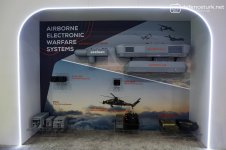
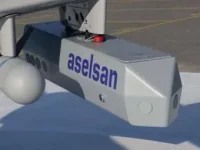
The Saudi Ministry of Defense (MoD) is in talks with Aselsan for the acquisition of the ANTIDOT 2-U 200 electronic attack (EA) pod

1760773806688.jpeg

Overview of the ANTIDOT 2-U Electronic Attack Pod​

The ANTIDOT 2-U is an advanced electronic warfare system designed for use on unmanned aerial vehicles (UAVs). It enhances the capabilities of tactical UAVs, allowing them to perform electronic warfare missions effectively.

1760773904936.webp

Key Features​

  • High Parameter Measurement Accuracy: Ensures precise detection and recording of signals.
  • High Output Power: Provides robust jamming capabilities against enemy systems.
  • Automated and Operator-Controlled Jamming: Offers flexibility in how jamming is executed.
  • Simultaneous Multiple Threat Jamming: Can engage multiple targets at once.
  • Direction Finding Capability: Helps in identifying the source of threats.

Saudi Arabia's Acquisition Plans​

The Saudi Ministry of Defense is currently negotiating with Aselsan to acquire the ANTIDOT 2-U pod. The focus is on:

  • Technology Transfer: Saudi Arabia aims to localize the production of these pods.
  • Integration with Aircraft: Plans to mount the ANTIDOT 2-U on various aircraft platforms to enhance their electronic warfare capabilities.
This acquisition is part of Saudi Arabia's broader strategy to strengthen its defense capabilities through advanced technology partnerships.
 

Saudi Arabia Selected to Chair Global Network of AI Supervisory Authorities​


1760888766190.webp


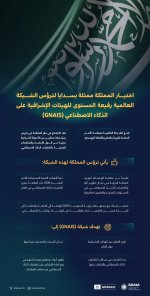
Paris: Saudi Arabia, represented by the Saudi Data and AI Authority (SDAIA), has been selected to chair the Global Network of AI Supervisory Authorities (GNAIS), a UNESCO-led initiative aimed at advancing global artificial intelligence (AI) ethics and oversight. The announcement was made during a meeting at UNESCO’s headquarters in Paris, attended by representatives from 25 international supervisory bodies and organizations focused on AI governance.

Saudi Arabia’s chairmanship, in coordination with the Saudi National Commission for Education, Culture and Science, reflects UNESCO’s recognition of the Kingdom’s efforts to develop robust AI frameworks and promote ethical standards at local, regional, and global levels. The move underscores the Kingdom’s contribution to advancing the United Nations 2030 Sustainable Development Goals, particularly in promoting responsible AI, in line with the objectives of Saudi Vision 2030 to establish Saudi Arabia as a leading data- and AI-driven economy.

The GNAIS network aims to strengthen cooperation among supervisory authorities worldwide by facilitating the exchange of expertise and knowledge, building capacity in AI ethics and oversight, and developing unified tools and standards to enhance AI supervision across multiple sectors. Members gain access to specialized training programs, a comprehensive repository of case studies, and global best practices, enabling them to stay abreast of rapid technological transformations and effectively regulate emerging AI technologies.

Saudi Arabia’s leadership in GNAIS highlights its commitment to fostering innovation while ensuring that AI development aligns with ethical principles and international standards, further solidifying its role in shaping the global AI governance landscape.

1760888941478.jpeg

The network includes:
The European Union 🇪🇺, Japan 🇯🇵, Canada 🇨🇦, and Singapore 🇸🇬, and the presidency is now in the hands of #Saudi_Sadaya 🇸🇦
That is, the Kingdom has become the one that sets the rules of technology ethics globally..

1760889107864.jpeg
 

Users who are viewing this thread

Pakistan Defence Latest

Country Watch Latest

Latest Posts

Back
Top