Chinese Economy: General News, Updates and Discussions

China has stockpiled 900 million tons of grain, enough to supply for more than 18 months, which is 9 times that of a normal country. Nickel reserves stand at 200,000 tons, double last year's amount. Oil reserves exceed 180 days, twice the international norm, with natural gas total storage capacity at 50 billion cubic meters. Emergency medical supplies are at historical highs. And yet, it still runs a trade surplus of $1.2 trillion. This signal is incredibly obvious.
 

China orders immediate ban on March fuel exports, sources say​

March 12, 202612:36 PM GMT+8Updated 1 hour ago

SINGAPORE, March 12 (Reuters) - China has ordered an immediate ban on refined fuel exports in March in a further step to pre-empt ‌a potential domestic fuel shortage caused by the U.S.-Israeli war on Iran, four sources with knowledge of the matter said on Thursday.

The ban, issued by the National Development and Reform Commission (NDRC), includes shipments of gasoline, diesel and aviation fuel, the sources said.

The halt applies to cargoes ⁠that had yet to clear customs as of March 11. The restriction on outbound flows goes beyond last week's move by Beijing urging refiners not to agree to new exports and to try to cancel shipments they had already committed to.

Jet fuel for aviation bunkering is not included under the ban, two of the four sources said.

The NDRC did not immediately respond to a request for comment.
 

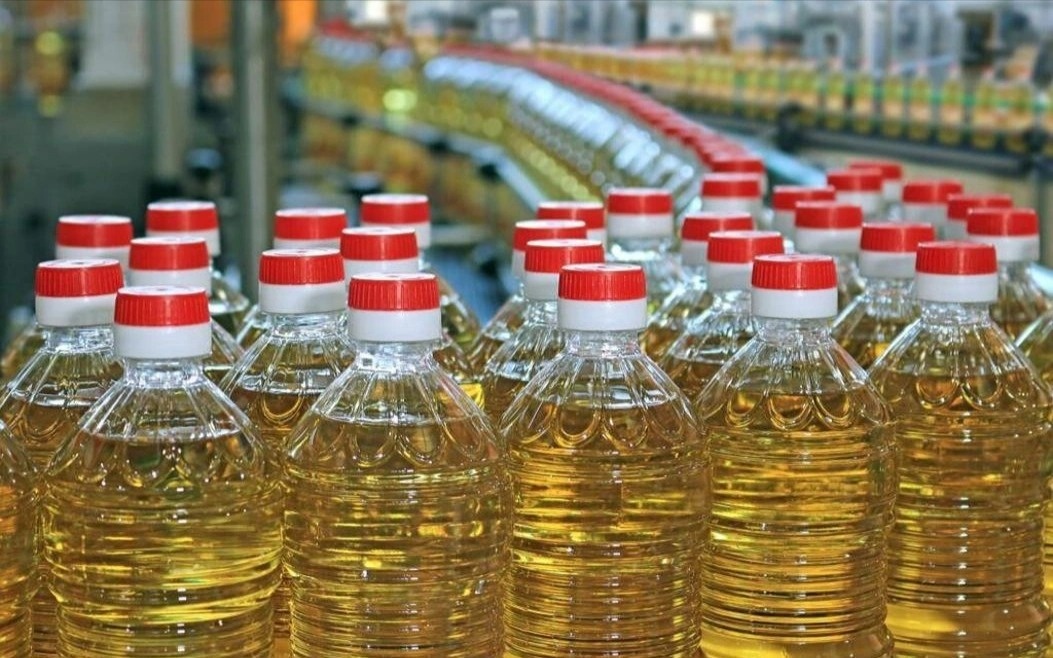
Chinese Purchases Of Russian Vegetable Oil Up 16% Year on Year
Published on March 12, 2026

China purchased almost 1 million tonnes of vegetable oil from Russia from September 2025 to February 2026 (the first half of the 2025-2026 agricultural year for oils and fats products), up 16% compared to a year earlier, the Agroexport federal center has stated.

This means that Russia became the main source of these products for China during this period, displacing India from the first place. This level of vegetable oil exports from Russia to China is the second highest on record.


Kazakhstan’s vegetable oil exports to China up 44%
10:28, 10 March 2026

Kazakhstan ranked as the second-largest supplier of sunflower oil to China in 2025, capturing a 36% share of the market, Qazinform News Agency quotes Yadykar Ibragimov, Chairman of the National Association of Oilseed Processors (NOPA), as saying.

According to the Association, in 2025 Kazakhstan’s exports of oil and fat products to China increased by 44% to 440,000 tons, while revenue grew by 37% to $312 million.
 
The United States has decided not to impose tariffs on battery materials imported from China. China should impose an embargo on the United States for batteries and related materials.
 
Yesterday, a piece of news was overlooked by most people. It was that the Indian government has formally requested China: Could you sell us some urea?The background is that Qatar's LNG supply has been cut off, and Indian fertilizer plants are only receiving 70% of their normal gas supply, with some factories already shutting down. India is the world's largest importer of urea, and the spring planting window is right in front of them—they're now knocking on China's door.Right now, global urea market prices have surged 35% to a three-year high, Qatar's largest single urea plant has halted production, and the 1.5 million tons of monthly exports from the Arabian Gulf can't get out within the next four weeks.China currently has an annual production capacity of 75 million tons and annual consumption of 65.5 million tons, leaving a surplus. Phosphate fertilizer export restrictions are in place until August.Companies related to phosphorus chemicals might want to take a look—downstream from phosphorus chemicals are phosphate fertilizers, sulfur, and lithium batteries for energy storage and electric vehicles. All of them are indirectly benefiting from this geopolitical conflict.
 
Yesterday, a piece of news was overlooked by most people. It was that the Indian government has formally requested China: Could you sell us some urea?The background is that Qatar's LNG supply has been cut off, and Indian fertilizer plants are only receiving 70% of their normal gas supply, with some factories already shutting down. India is the world's largest importer of urea, and the spring planting window is right in front of them—they're now knocking on China's door.Right now, global urea market prices have surged 35% to a three-year high, Qatar's largest single urea plant has halted production, and the 1.5 million tons of monthly exports from the Arabian Gulf can't get out within the next four weeks.China currently has an annual production capacity of 75 million tons and annual consumption of 65.5 million tons, leaving a surplus. Phosphate fertilizer export restrictions are in place until August.Companies related to phosphorus chemicals might want to take a look—downstream from phosphorus chemicals are phosphate fertilizers, sulfur, and lithium batteries for energy storage and electric vehicles. All of them are indirectly benefiting from this geopolitical conflict.
The amount of hate and slander china receives from India. I wouldn't be holding my breath for china to come help if I was India..
 
The amount of hate and slander china receives from India. I wouldn't be holding my breath for china to come help if I was India..
They have completely casted their lot and future with the US and the West to the detriments of relations with its important neighboring players esp China. They calculate the US is going to whole heartedly help India develop into a powerful advanced and rich nation in order to contain China for the sake of the West. But, the US esp Trump gov seems to have second thought now about helping India develop technology and economy. So, naturally they might turn to China for help and Chinese would be foolish to lend a hand go their way and trust these people again after what they did to China these years.
 

China receives eighth LNG cargo from Russia's sanctioned Arctic LNG 2 this year, data shows​

Reuters
Published on: 13 Mar 2026, 10:49 pm

Russia's sanctioned Arctic LNG 2 plant has delivered its eighth cargo this year to China, LSEG data showed on Friday, days after a liquefied natural gas carrier from the project caught fire and was left drifting in the Mediterranean.

According to the data, the gas carrier Iris loaded a cargo on February 7 from the floating storage unit Saam FSU near the Russian Arctic port of Murmansk and delivered it on Friday to the Beihai LNG terminal in China via the Suez Canal.
 
To view this content we will need your consent to set third party cookies.
For more detailed information, see our cookies page.
 
To view this content we will need your consent to set third party cookies.
For more detailed information, see our cookies page.
 
To view this content we will need your consent to set third party cookies.
For more detailed information, see our cookies page.
 

China’s Exports Jump Over 20% In First Two Months Despite Trump Tariffs

10:05, 10th Mar, 2026
BY ERIZIA RUBYJEANA
China’s exports surge in early 2026 despite US tariffs, driven by electronics demand and stronger trade with Europe.

China-Exports.jpg


China’s exports have surged in the first two months of 2026 despite ongoing trade tensions with the United States and tariffs imposed by President Donald Trump.

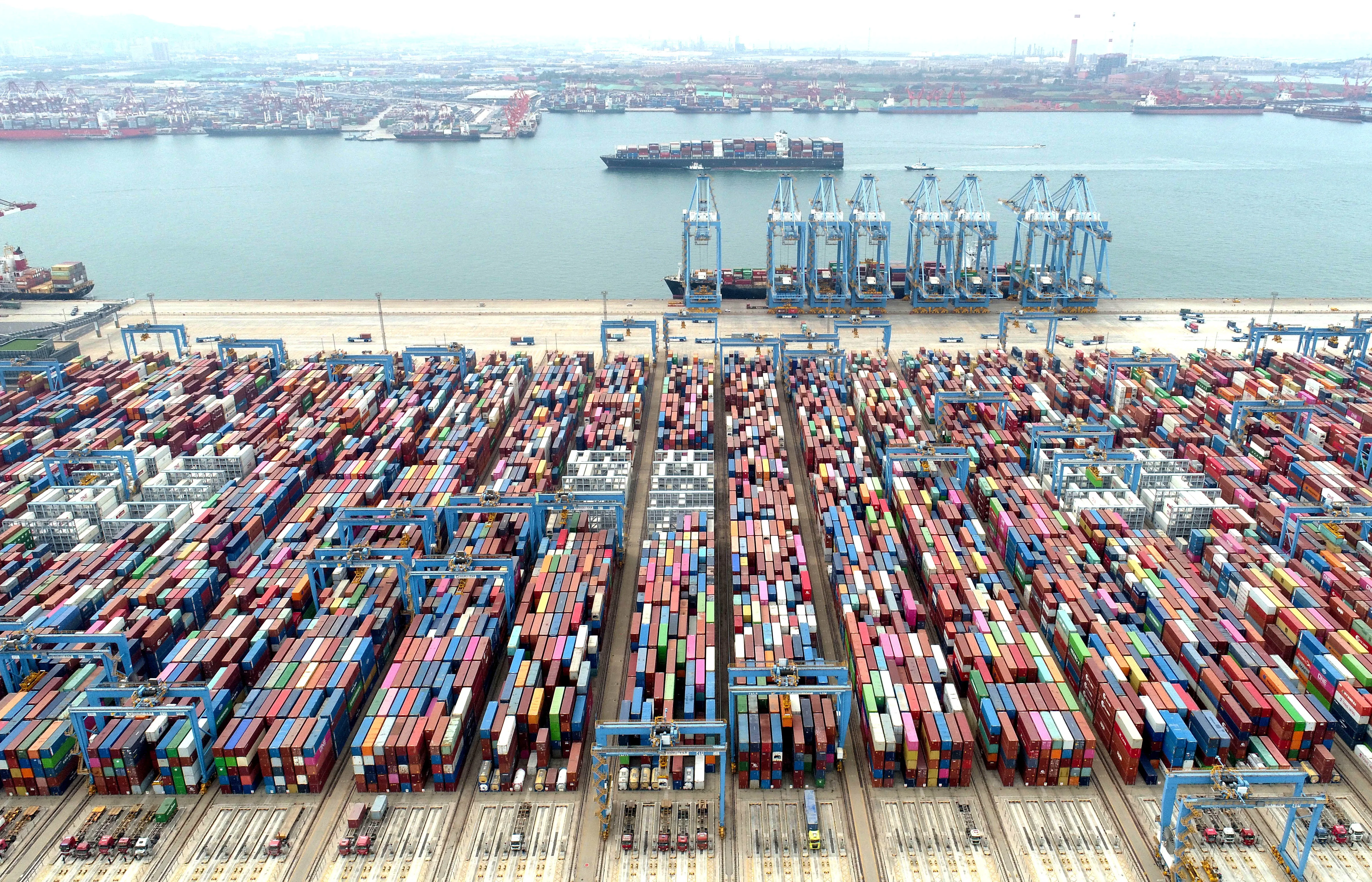
Official data released by Chinese authorities shows exports rose by more than 20 percent in January and February, nearly three times higher than economists had predicted. The strong performance places China on track to surpass the record-breaking annual trade surplus it recorded in 2025.

The announcement comes ahead of an expected meeting between Trump and Chinese President Xi Jinping, who are scheduled to hold talks in China in early April.

The export growth highlights the continued importance of overseas trade to China’s economy as the country navigates a number of domestic economic challenges.

China, the world’s second-largest economy, remains heavily dependent on exports while facing weak consumer spending at home, a shrinking population and a prolonged crisis in the property sector.

Chinese authorities typically combine trade data for January and February to reduce distortions caused by the Lunar New Year holiday, which falls on different dates each year and can disrupt normal trade patterns.

According to the figures, the export surge was largely driven by strong global demand for electronics. Shipments of agricultural products and manufactured goods also recorded notable increases during the period.

Trade with European markets showed significant growth, with exports to the region rising by 27.8 percent.

Exports to member countries of Association of Southeast Asian Nations also climbed sharply, increasing by nearly 30 percent. The regional bloc includes major economies such as Thailand, Singapore and Philippines.

However, exports to the United States declined by more than 10 percent as Washington introduced tariffs and other measures aimed at addressing trade imbalances between the two countries.

The tariffs were imposed as part of the broader economic policies pursued by the Trump administration to reduce the US trade deficit and limit reliance on Chinese imports.

Despite the drop in exports to the United States, China’s overall export performance remained strong due to growing demand from other global markets.

Last week, China set a new economic growth target of between 4.5 percent and 5 percent for 2026. The goal is slightly lower than the 5 percent growth target set for 2025, which the country achieved largely through strong export performance.

Exports have remained a key driver of China’s economic growth, helping to support the economy at a time when domestic consumption remains weak and the property market continues to struggle.

The planned meeting between Trump and Xi is expected to take place as China and several other Asian economies grapple with the wider economic consequences of the US‑Israeli War With Iran.

The conflict has disrupted global energy markets and created additional uncertainty for economies already dealing with inflation, supply chain pressures and geopolitical tensions.

Economic analysts say the outcome of the upcoming talks between the US and Chinese leaders could influence trade relations and global markets in the months ahead.


China’s Exports Jump Over 20% In First Two Months Despite Trump Tariffs

10:05, 10th Mar, 2026
BY ERIZIA RUBYJEANA
China’s exports surge in early 2026 despite US tariffs, driven by electronics demand and stronger trade with Europe.

China-Exports.jpg


China’s exports have surged in the first two months of 2026 despite ongoing trade tensions with the United States and tariffs imposed by President Donald Trump.

Official data released by Chinese authorities shows exports rose by more than 20 percent in January and February, nearly three times higher than economists had predicted. The strong performance places China on track to surpass the record-breaking annual trade surplus it recorded in 2025.

The announcement comes ahead of an expected meeting between Trump and Chinese President Xi Jinping, who are scheduled to hold talks in China in early April.

The export growth highlights the continued importance of overseas trade to China’s economy as the country navigates a number of domestic economic challenges.

China, the world’s second-largest economy, remains heavily dependent on exports while facing weak consumer spending at home, a shrinking population and a prolonged crisis in the property sector.

Chinese authorities typically combine trade data for January and February to reduce distortions caused by the Lunar New Year holiday, which falls on different dates each year and can disrupt normal trade patterns.

According to the figures, the export surge was largely driven by strong global demand for electronics. Shipments of agricultural products and manufactured goods also recorded notable increases during the period.

Trade with European markets showed significant growth, with exports to the region rising by 27.8 percent.

Exports to member countries of Association of Southeast Asian Nations also climbed sharply, increasing by nearly 30 percent. The regional bloc includes major economies such as Thailand, Singapore and Philippines.

However, exports to the United States declined by more than 10 percent as Washington introduced tariffs and other measures aimed at addressing trade imbalances between the two countries.

The tariffs were imposed as part of the broader economic policies pursued by the Trump administration to reduce the US trade deficit and limit reliance on Chinese imports.

Despite the drop in exports to the United States, China’s overall export performance remained strong due to growing demand from other global markets.

Last week, China set a new economic growth target of between 4.5 percent and 5 percent for 2026. The goal is slightly lower than the 5 percent growth target set for 2025, which the country achieved largely through strong export performance.

Exports have remained a key driver of China’s economic growth, helping to support the economy at a time when domestic consumption remains weak and the property market continues to struggle.

The planned meeting between Trump and Xi is expected to take place as China and several other Asian economies grapple with the wider economic consequences of the US‑Israeli War With Iran.

The conflict has disrupted global energy markets and created additional uncertainty for economies already dealing with inflation, supply chain pressures and geopolitical tensions.

Economic analysts say the outcome of the upcoming talks between the US and Chinese leaders could influence trade relations and global markets in the months ahead.

Wow, 20% jump, so incredible.
 

China's exports in 2026 show significant growth, surpassing forecasts

Stanislav Nikulin11 March 2026 08:52
China's exports in 2026 show significant growth, surpassing forecasts

China's exports in January-February 2026 rose by 21.8% year-on-year, greatly exceeding market expectations. Imports during the same period increased by 19.8%, while the positive trade balance reached $213.6 billion, up 26.2% from the previous year.

These figures far surpassed forecasts: economists surveyed by Caixin expected export growth of only 6.3%, import growth of 5.7%, and a trade surplus of around $151 billion. This strong growth indicates a robust recovery and strengthening of China's position in the global market.

Sustaining high export growth rates in the near future may continue to support the country's economic development and influence global trade trends.

 
China Jan-Feb large-scale industrial added value increased 6.3% year-on-year, expected 5.0%; Jan-Feb total retail sales of consumer goods increased 2.8% year-on-year, expected 2.5%; Feb urban surveyed unemployment rate 5.3%, expected 5.1%; Jan-Feb urban fixed asset investment increased 1.8% year-on-year, expected -2.1%. National Bureau of Statistics: The national economy started strongly and got off to a good start in January-February
To view this content we will need your consent to set third party cookies.
For more detailed information, see our cookies page.
 

Users who are viewing this thread

Pakistan Defence Latest

Country Watch Latest

Latest Posts

Back
Top